


MERLIN
Falco columbarius
DESCRIPTION
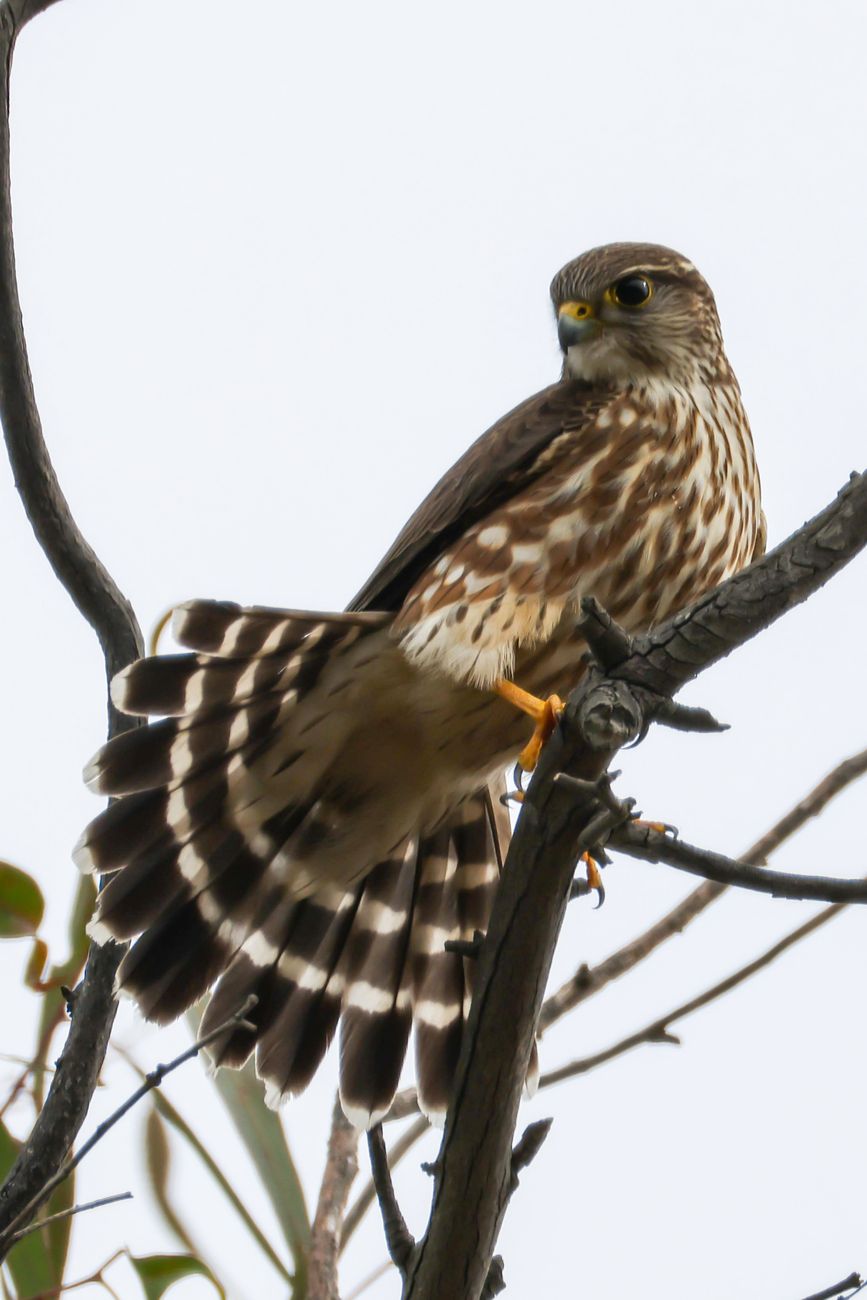
Merlin (Falco columbarius) is commonly known as the Pigeon Hawk and is a small, powerful falcon characterized by its long wings and tail, which give it a streamlined appearance. This bird exhibits sexual dimorphism, with females being larger than males, and it typically has a dark blue-gray plumage with streaked underparts. Merlins are known for their agile flight and hunting prowess, often preying on small birds in open habitats such as grasslands and coastal areas.
FUN FACTS
- Merlins are known for their incredible speed, capable of reaching speeds up to 50-60 mph during hunting dives
- They are also unique among falcons for their ability to hunt in a variety of habitats, adapting their hunting strategies to different environments.|During migration, Merlins can travel long distances, sometimes covering over 1,000 miles in a single journey
- Their migratory behavior is fascinating, as they often travel in small groups, showcasing their social nature during these long flights
QUICK INFO
Lifespan5-10 years in the wild
Average Weight150-250 g
Average Length24-30 cm
Diet TypeCarnivore
Social Structurepair, typically monogamous during the breeding season
Activity PatternDiurnal
Breeding SeasonSpring (April-June)
- Habitat
- Merlins inhabit a variety of open habitats, including grasslands, tundra, and coastal regions. They prefer areas with sufficient perches for hunting and nesting.
- Biomes
- Grassland, Tundra, Coastal
- Native Range
- Merlins are found across North America, Europe, and parts of Asia, migrating seasonally between breeding and wintering grounds.
- Continent
- North America, Europe, Asia
- Countries
- Canada, United States, United Kingdom, Norway, Russia
- Diet
- Merlins primarily feed on small birds, but they may also consume insects and small mammals when necessary.
- Diet Type
- Carnivore
- Favorite Food
- small birds
- Social Structure
- pair, typically monogamous during the breeding season
- Activity Pattern
- Diurnal
- Group Size
- 1-2
- Territorial
- 1
 LC
LC
 LC
LC
150-250 g
Weight
24-30 cm
Length
- Coloration
- dark blue-gray with streaked underparts
- Sexual Dimorphism
- females are larger than males
- Lifespan
- 5-10 years in the wild
- Offspring per Birth
- 3-5
- Sexual Maturity
- 1-2 years
- Breeding Season
- Spring (April-June)
LC
Least Concern
IUCN Red List Status
- Population Status
- The population of Merlins is generally stable, though some local declines have been noted due to habitat loss.
- Wild Population Estimate
- 100,000-1,000,000
- Population Trend
- Stable
- Endangered
- 0
- Threats
- Main threats to Merlins include habitat destruction and pesticide use, which can reduce their prey availability. Climate change may also impact their migratory patterns and breeding success.
- Predators
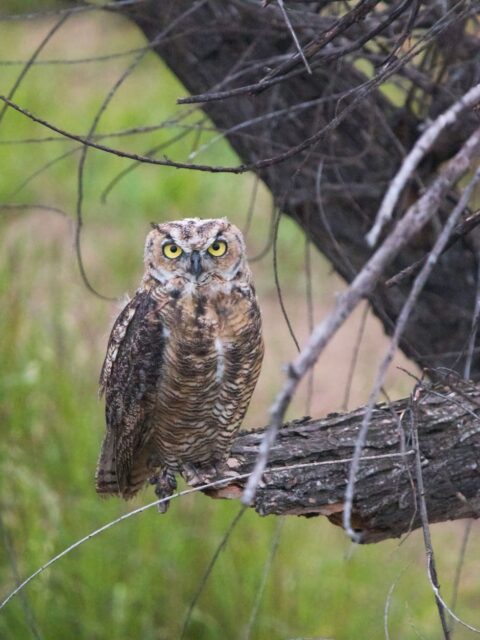
- Great Horned Owl, Red-tailed Hawk, larger raptors
- Defense Mechanisms
- Merlins use their speed and agility to evade predators and may also engage in aggressive displays to defend their territory.
- Found in Zoos
- Uncommon