


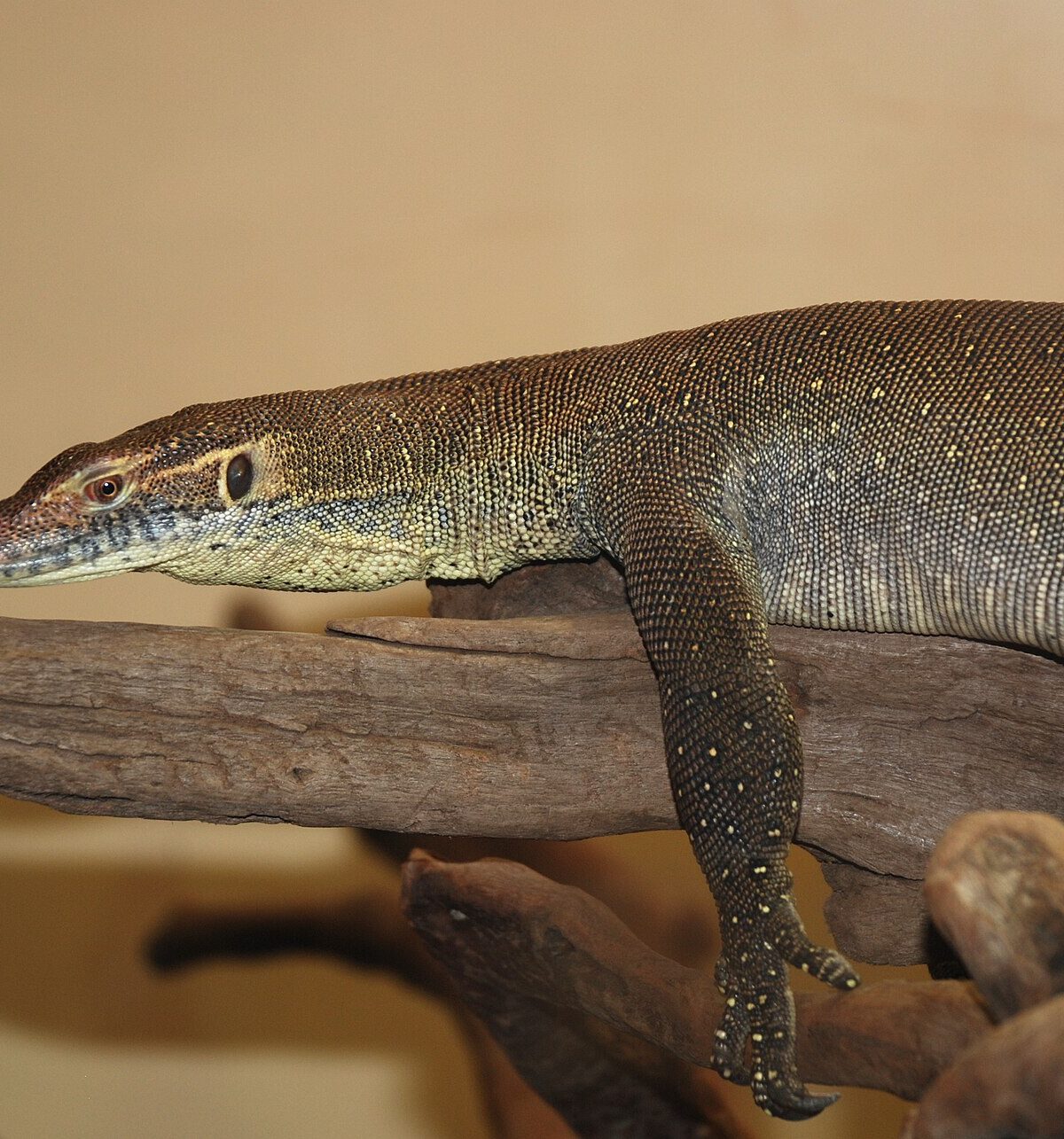
MERTEN'S WATER MONITOR
Varanus mertensi
DESCRIPTION
Merten's Water Monitor (Varanus mertensi) is commonly known as Merten's Monitor and is a large species of monitor lizard found in northern Australia and New Guinea. This lizard exhibits a robust body with a long tail, and its coloration typically includes a mix of dark brown and yellowish patterns, which help it blend into its aquatic surroundings. Merten's Water Monitor is an excellent swimmer, often found near rivers, swamps, and coastal areas, where it hunts for prey and basks in the sun.
FUN FACTS
- Merten's Water Monitor is known for its impressive swimming skills, often diving underwater for extended periods to evade predators or hunt for food
- Additionally, this species has a unique method of thermoregulation, often seen basking on rocks or branches near water to maintain its body temperature.|These lizards are also known for their intelligence and problem-solving abilities, which are quite remarkable for reptiles
- They can learn to recognize their keepers in captivity and may even exhibit playful behaviors when interacting with their environment
QUICK INFO
Lifespan10-15 years in the wild, up to 20 in captivity
Average Weight5-10 kg
Average Length1.5-2.0 m
Diet TypeCarnivore
Social Structuresolitary, occasionally seen in small groups during basking
Activity PatternDiurnal
Breeding SeasonSpring (September-November)
- Habitat
- This species inhabits freshwater and brackish environments, including rivers, swamps, and mangroves. It prefers areas with abundant vegetation and access to water for hunting and basking.
- Biomes
- Wetlands, Coastal
- Native Range
- Merten's Water Monitor is native to northern Australia and New Guinea.
- Continent
- Australia, Asia
- Countries
- Australia, Papua New Guinea, Indonesia
- Diet
- Merten's Water Monitor primarily feeds on a variety of aquatic and terrestrial prey, including fish, crustaceans, and small mammals. Its diet is opportunistic, allowing it to adapt to the availability of food sources in its habitat.
- Diet Type
- Carnivore
- Favorite Food
- fish, crustaceans, small mammals
- Social Structure
- solitary, occasionally seen in small groups during basking
- Activity Pattern
- Diurnal
- Group Size
- 1-5
- Territorial
- 0
 VU
VU
 VU
VU
5-10 kg
Weight
1.5-2.0 m
Length
- Coloration
- dark brown with yellowish spots and bands
- Sexual Dimorphism
- males are generally larger than females
- Lifespan
- 10-15 years in the wild, up to 20 in captivity
- Offspring per Birth
- 5-15
- Sexual Maturity
- 2-3 years
- Breeding Season
- Spring (September-November)
LC
Least Concern
IUCN Red List Status
- Population Status
- The population status of Merten's Water Monitor is currently stable, but habitat loss poses a potential threat.
- Population Trend
- Stable
- Endangered
- 0
- Threats
- Main threats include habitat destruction due to urban development and pollution of waterways. Additionally, hunting for the pet trade can impact local populations.
- Predators
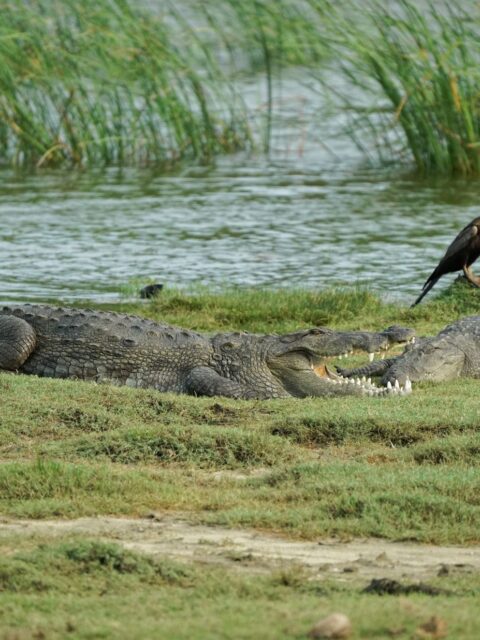
- large birds of prey, crocodiles, and larger carnivorous mammals
- Defense Mechanisms
- Merten's Water Monitor can escape into the water when threatened, using its swimming ability to evade predators.
- Found in Zoos
- Uncommon