


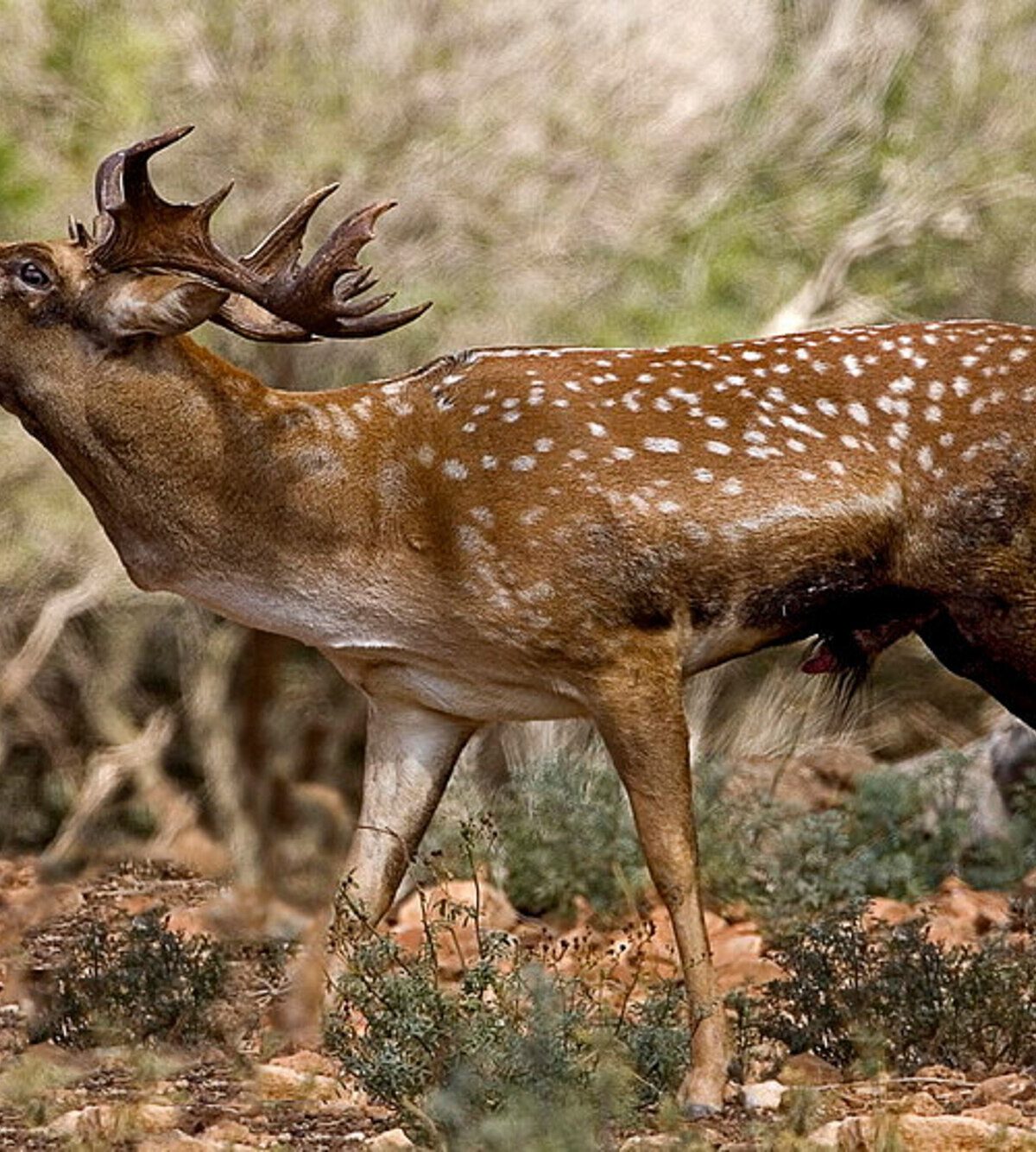
MESOPOTAMIAN DEER
Maral cervus
DESCRIPTION
Mesopotamian Deer (Maral cervus) is commonly known as Maral and Persian Deer. This species is characterized by its large size, with males typically exhibiting impressive antlers that can grow up to 1 meter in length. They are social animals, often found in herds, and are known for their seasonal migrations in search of food and suitable breeding grounds.
FUN FACTS
- Mesopotamian Deer are known for their impressive antlers, which can grow and shed annually, making them one of the most striking features of the males
- Additionally, they play a crucial role in their ecosystem by helping to maintain the health of their habitats through their grazing habits.|These deer are also culturally significant in the regions they inhabit, often featured in local folklore and traditions, symbolizing strength and grace
QUICK INFO
Lifespan15-20 years in the wild, up to 25 in captivity
Average Weight150-250 kg
Average Length1.8-2.5 m
Diet TypeHerbivore
Social Structuregroup — they often form herds, especially females and young, while males may be more solitary outside of the breeding season.
Activity PatternDiurnal
Breeding SeasonAutumn (September-November)
- Habitat
- Mesopotamian Deer inhabit forested areas, grasslands, and mountainous regions. They prefer habitats that provide ample cover and food sources.
- Biomes
- Temperate Forest, Grassland, Mountain
- Native Range
- Historically found in the regions of the Middle East, particularly in parts of Iran, Iraq, and Turkey.
- Continent
- Asia
- Countries
- Iran, Iraq, Turkey
- Diet
- They primarily feed on a variety of vegetation, including grasses, leaves, and shrubs. Their diet changes with the seasons, reflecting the availability of food sources.
- Diet Type
- Herbivore
- Favorite Food
- grasses, leaves, shrubs
- Social Structure
- group — they often form herds, especially females and young, while males may be more solitary outside of the breeding season.
- Activity Pattern
- Diurnal
- Group Size
- 5-30
- Territorial
- 1
 LC
LC
 VU
VU
150-250 kg
Weight
1.8-2.5 m
Length
1.2 m at shoulder
Height (Shoulder)
- Coloration
- They have a reddish-brown coat with lighter underparts and distinctive white markings on the face and legs.
- Sexual Dimorphism
- Males are larger and have antlers, while females are smaller and lack antlers.
- Lifespan
- 15-20 years in the wild, up to 25 in captivity
- Gestation Period
- 210 days
- Offspring per Birth
- 1
- Sexual Maturity
- 2-3 years
- Breeding Season
- Autumn (September-November)
LC
Least Concern
IUCN Red List Status
- Population Status
- The population is currently stable but faces threats from habitat loss and hunting.
- Wild Population Estimate
- 10,000-15,000
- Population Trend
- Stable
- Endangered
- 0
- Threats
- Main threats include habitat destruction due to agriculture and urbanization, as well as poaching. Conservation efforts are needed to ensure their survival in the wild.
- Predators
- Wolves, leopards, and humans are the primary predators of the Mesopotamian Deer.
- Defense Mechanisms
- They rely on their speed and agility to escape predators, as well as their ability to blend into their surroundings.
- Compatible Animals
- none
- Found in Zoos
- Uncommon