


MESOPOTAMIAN FALLOW DEER
Dama dama mesopotamica
DESCRIPTION
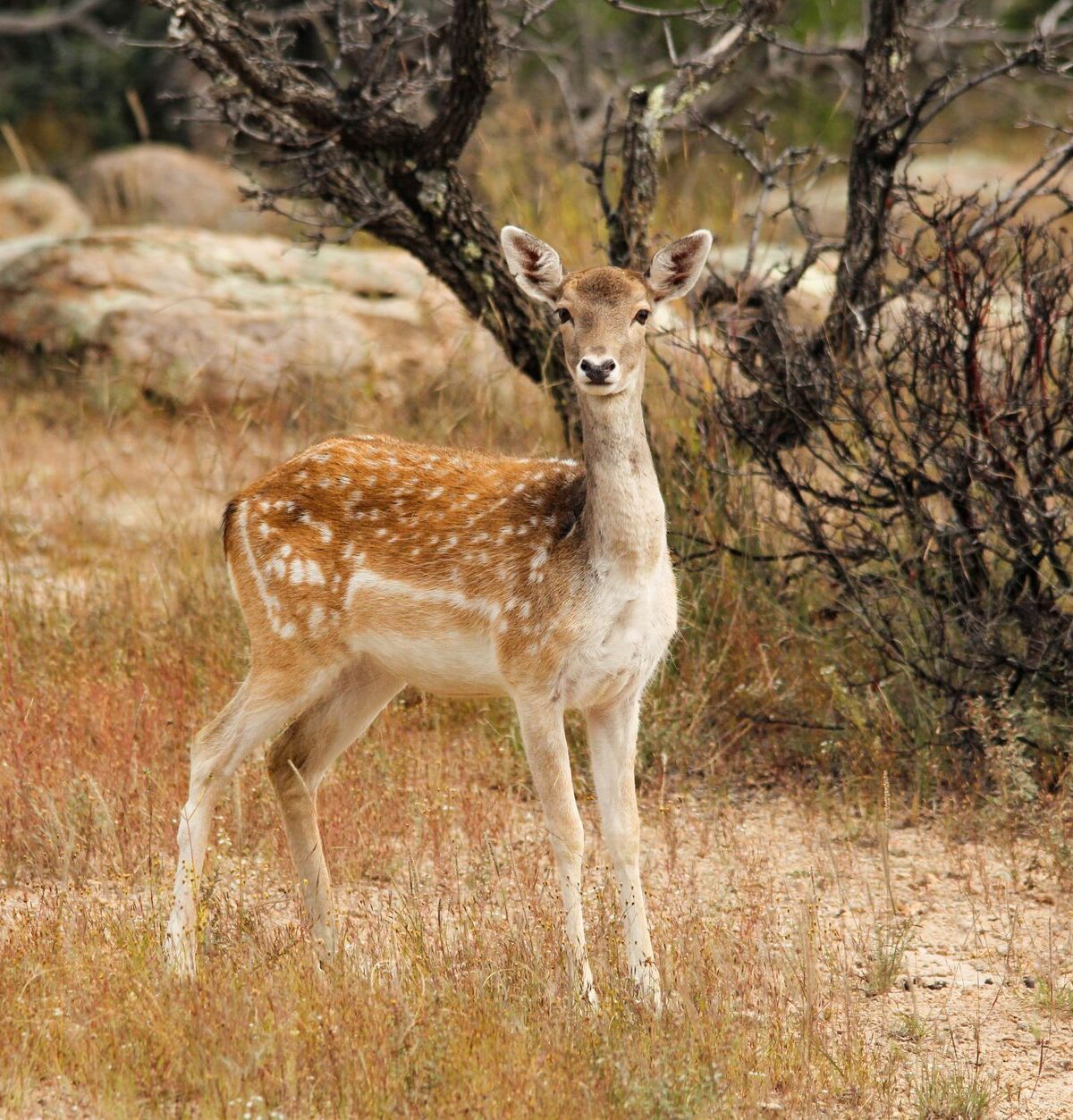
Mesopotamian Fallow Deer (Dama dama mesopotamica) is commonly known as the Persian Fallow Deer, a subspecies of the fallow deer characterized by its unique coloration and antler shape. This deer has a distinctive coat that can range from a rich reddish-brown to a lighter tan, often with white spots, and males possess broad, palmate antlers that can grow up to 80 cm long. They are social animals, typically found in small groups, and are known for their graceful movements and ability to adapt to various habitats, primarily in the temperate regions of the Middle East.
FUN FACTS
- The Mesopotamian Fallow Deer is one of the rarest deer species in the world, with a population that has dramatically declined over the past century due to habitat loss and hunting
- Conservationists are working to protect this unique subspecies, which is a symbol of the rich biodiversity of the Mesopotamian region
- | Unlike many other deer species, the Mesopotamian Fallow Deer has a unique palmate antler shape, which resembles the shape of a hand with fingers
- This distinctive feature makes them easily recognizable among other deer species and is a key characteristic used in identifying males during the breeding season
QUICK INFO
Lifespan10-15 years in the wild, up to 20 years in captivi
Average Weight70-100 kg
Average Length1.5-2.0 m
Diet TypeHerbivore
Social StructureThey are typically found in small groups, often consisting of females and their young, while males may be solitary or form bachelor groups.
Activity PatternCrepuscular
Breeding SeasonAutumn (September-November)
- Habitat
- Mesopotamian Fallow Deer inhabit a variety of environments, including woodlands, grasslands, and scrublands. They prefer areas with ample cover and access to water sources.
- Biomes
- Temperate Forest, Grassland
- Native Range
- Historically found in the regions of Mesopotamia, particularly in parts of Iraq and Iran.
- Continent
- Asia
- Countries
- Iraq, Iran
- Diet
- They are herbivores, primarily feeding on grasses, leaves, and fruits. Their diet varies seasonally based on the availability of food sources.
- Diet Type
- Herbivore
- Favorite Food
- grasses, leaves, fruits
- Social Structure
- They are typically found in small groups, often consisting of females and their young, while males may be solitary or form bachelor groups.
- Activity Pattern
- Crepuscular
- Group Size
- 5-15
- Territorial
- 0
 LC
LC
 VU
VU
70-100 kg
Weight
1.5-2.0 m
Length
0.9-1.1 m at shoulder
Height (Shoulder)
- Coloration
- Rich reddish-brown to tan with white spots
- Sexual Dimorphism
- Males are larger and have antlers, while females are smaller and antlerless.
- Lifespan
- 10-15 years in the wild, up to 20 years in captivi
- Gestation Period
- 230 days
- Offspring per Birth
- 1
- Sexual Maturity
- 1-2 years
- Breeding Season
- Autumn (September-November)
CR
Critically Endangered
IUCN Red List Status
- Population Status
- The population of Mesopotamian Fallow Deer is currently low due to habitat loss and hunting.
- Wild Population Estimate
- Less than 1,000
- Population Trend
- Decreasing
- Endangered
- 1
- Threats
- Main threats include habitat destruction due to agriculture and urbanization, as well as poaching. Conservation efforts are needed to protect their remaining habitats and populations.
- Predators
- Wolves, leopards, and humans are known predators of the Mesopotamian Fallow Deer.
- Defense Mechanisms
- They rely on their speed and agility to escape predators, often using dense vegetation for cover.
- Compatible Animals
- None
- Found in Zoos
- Rare