


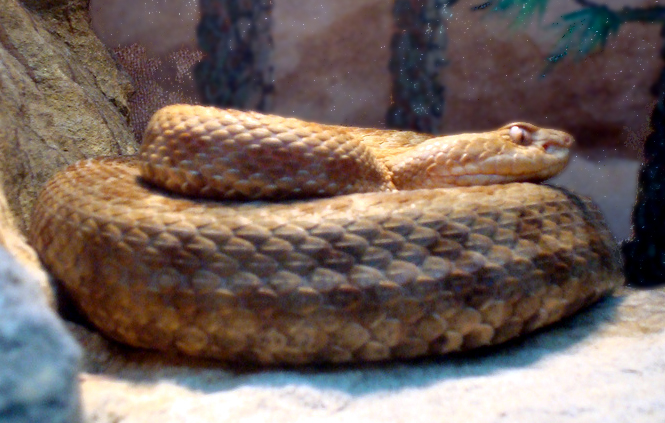
MEXICAN JUMPING PITVIPER
Crotalus triseriatus
DESCRIPTION
Mexican Jumping Pitviper (Crotalus triseriatus) is a strikingly colored snake known for its unique ability to jump when threatened. This species exhibits a vibrant coloration, often featuring a mix of greens, browns, and yellows, which helps it blend into its natural habitat. Behaviorally, it is known for its agility and quick reflexes, making it an adept predator in its mountainous and forested environments.
FUN FACTS
- The Mexican Jumping Pitviper is known for its remarkable jumping ability, which can be quite surprising for those who encounter it in the wild
- This behavior is not just for show; it allows the snake to evade predators and navigate its rocky habitat more effectively
- | Unlike many other pit vipers, this species has a unique coloration that can vary significantly between individuals, making each one distinct
- This variation can help them adapt to different environments within their range, showcasing the incredible diversity of snake species
QUICK INFO
Lifespan10-15 years in the wild, up to 20 in captivity
Average Weight0.5-1.5 kg
Average Length0.6-1.2 m
Diet TypeCarnivore
Social Structuresolitary, typically found alone except during mating season
Activity PatternNocturnal
Breeding SeasonSpring (April-June)
- Habitat
- This species is typically found in rocky, mountainous areas and dense forests, where it can easily camouflage itself. It prefers habitats with ample cover and access to prey.
- Biomes
- Temperate Forest, Montane
- Native Range
- The Mexican Jumping Pitviper is native to the mountainous regions of Mexico, particularly in the Sierra Madre Oriental.
- Continent
- North America
- Countries
- Mexico
- Diet
- The Mexican Jumping Pitviper primarily preys on small mammals and birds, using its heat-sensing pits to locate warm-blooded prey. It employs a sit-and-wait strategy, striking quickly when an opportunity arises.
- Diet Type
- Carnivore
- Favorite Food
- small mammals, birds
- Social Structure
- solitary, typically found alone except during mating season
- Activity Pattern
- Nocturnal
- Group Size
- 1
- Territorial
- 1
 VU
VU
0.5-1.5 kg
Weight
0.6-1.2 m
Length
- Coloration
- vibrant greens, browns, and yellows with distinctive patterns
- Sexual Dimorphism
- females are generally larger than males
- Lifespan
- 10-15 years in the wild, up to 20 in captivity
- Gestation Period
- 6-7 months
- Offspring per Birth
- 4-10
- Sexual Maturity
- 2-3 years
- Breeding Season
- Spring (April-June)
LC
Least Concern
IUCN Red List Status
- Population Status
- The population is currently stable, but habitat loss poses a potential threat.
- Wild Population Estimate
- Unknown
- Population Trend
- Stable
- Endangered
- 0
- Threats
- Main threats include habitat destruction due to deforestation and human encroachment. Additionally, they face persecution due to fear and misunderstanding of their species.
- Predators
- birds of prey, larger snakes, mammals such as coyotes
- Defense Mechanisms
- When threatened, the Mexican Jumping Pitviper can jump away from danger, using its agility to escape. It also relies on its venomous bite for defense.
- Found in Zoos
- Uncommon