



MEXICAN MUD TURTLE
Kinosternon hirtipes
DESCRIPTION
Mexican mud turtle (Kinosternon hirtipes) is a small to medium-sized turtle characterized by its smooth, olive-brown to dark brown shell, which can reach up to 15 cm in length. This species is primarily aquatic and is often found in slow-moving waters, such as ponds and marshes, where it exhibits a preference for muddy substrates. Behaviorally, they are known to be secretive and spend much of their time buried in mud or hiding among vegetation, making them less visible to predators.
FUN FACTS
- Mexican mud turtles are known for their ability to tolerate low oxygen levels in water, allowing them to survive in stagnant ponds
- | They have a unique behavior of burying themselves in mud during dry periods, which helps them conserve moisture and survive until water levels rise again
QUICK INFO
Lifespan10-20 years in the wild, up to 30 years in captivi
Average Weight0.5-1 kg
Average Length10-15 cm
Diet TypeOmnivore
Social Structuresolitary
Activity PatternDiurnal
Breeding SeasonSpring to early summer
- Habitat
- They inhabit freshwater environments, particularly shallow ponds, marshes, and slow-moving rivers. These turtles prefer areas with abundant vegetation and soft substrates for burrowing.
- Biomes
- Freshwater, Wetlands
- Native Range
- The native range of the Mexican mud turtle includes parts of Mexico and the southwestern United States.
- Continent
- North America
- Countries
- Mexico, United States
- Diet
- Mexican mud turtles are omnivorous, feeding on a variety of plant and animal matter. Their diet includes aquatic plants, insects, and small invertebrates.
- Diet Type
- Omnivore
- Favorite Food
- aquatic plants, insects
- Social Structure
- solitary
- Activity Pattern
- Diurnal
- Group Size
- 1-5
- Territorial
- 0
 LC
LC
 VU
VU
0.5-1 kg
Weight
10-15 cm
Length
- Coloration
- Olive-brown to dark brown shell with a smooth texture.
- Sexual Dimorphism
- Males are typically smaller than females and have a more elongated tail.
- Lifespan
- 10-20 years in the wild, up to 30 years in captivi
- Offspring per Birth
- 2-10
- Sexual Maturity
- 3-5 years
- Breeding Season
- Spring to early summer
LC
Least Concern
IUCN Red List Status
- Population Status
- The population status is currently stable, but habitat loss poses a potential threat.
- Wild Population Estimate
- Unknown
- Population Trend
- Stable
- Endangered
- 0
- Threats
- Main threats include habitat destruction due to urbanization and pollution of water bodies. Additionally, they face risks from predation by larger animals and human activities.
- Predators
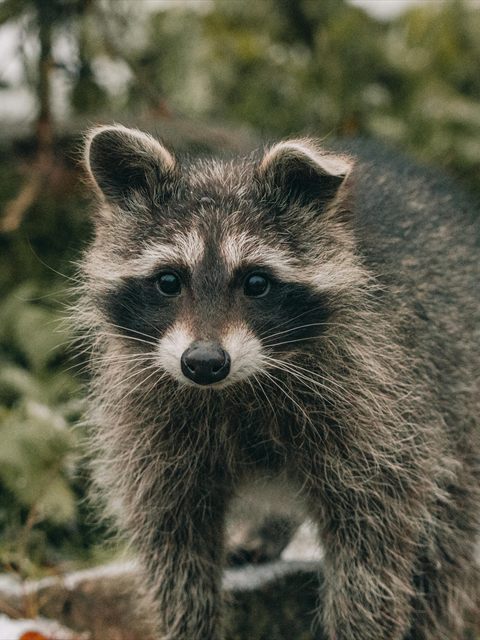
- Raccoons, birds of prey, and larger fish are known to prey on Mexican mud turtles.
- Defense Mechanisms
- They can retract into their shells for protection and may bury themselves in mud to avoid detection.
- Found in Zoos
- Uncommon