


MISHIMI TAKIN
Budorcas taxicolor tibetana
DESCRIPTION
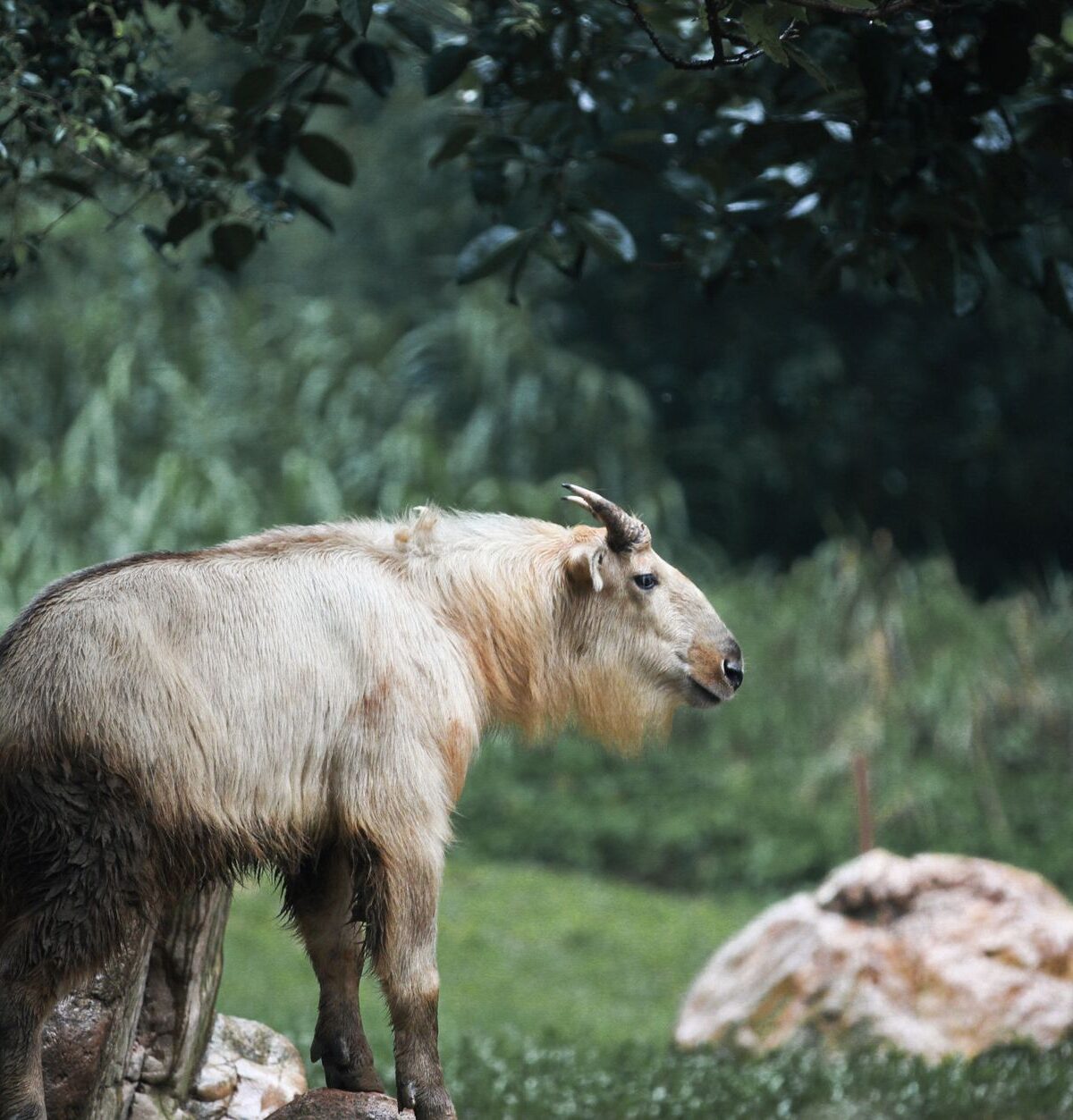
Mishimi Takin (Budorcas taxicolor tibetana) is commonly known as the Takin, a large, herbivorous mammal native to the mountainous regions of Asia. It has a robust body, short legs, and a distinctive, thick coat that varies in color from yellowish-brown to dark brown, which helps it blend into its rocky habitat. These animals are known for their unique, goat-like appearance and are often seen grazing in herds, displaying a social structure that can vary from solitary to group living depending on environmental conditions.
FUN FACTS
- Mishimi Takins are unique in that they are the only members of the genus Budorcas, making them a distinct species within the Bovidae family
- They are also known for their impressive climbing abilities, often navigating steep and rocky terrains with ease, which is essential for their survival in the mountainous regions they inhabit
QUICK INFO
Lifespan15-20 years in wild, up to 30 in captivity
Average Weight150-250 kg
Average Length1.8-2.5 m
Diet TypeHerbivore
Social Structuregroup — they often form small herds for social interaction and protection.
Activity PatternDiurnal
Breeding SeasonSpring (March-May)
- Habitat
- Mishimi Takins inhabit steep, mountainous regions with dense vegetation, often found at elevations between 2,500 and 4,500 meters. They prefer areas with ample cover to protect themselves from predators and harsh weather conditions.
- Biomes
- Mountain, Temperate Forest
- Native Range
- Mishimi Takins are native to the eastern Himalayas, particularly in regions of Tibet, Bhutan, and parts of northern India.
- Continent
- Asia
- Countries
- China, Bhutan, India
- Diet
- Mishimi Takins primarily feed on grasses, leaves, and shrubs, utilizing their strong jaws to browse on tough vegetation. They are well-adapted to their herbivorous diet, which is essential for their survival in the rugged terrain they inhabit.
- Diet Type
- Herbivore
- Favorite Food
- grasses, leaves, shrubs
- Social Structure
- group — they often form small herds for social interaction and protection.
- Activity Pattern
- Diurnal
- Group Size
- 5-20
- Territorial
- 0
 VU
VU
 LC
LC
150-250 kg
Weight
1.8-2.5 m
Length
1.2 m at shoulder
Height (Shoulder)
- Coloration
- thick coat that varies from yellowish-brown to dark brown
- Sexual Dimorphism
- males are generally larger and have larger horns than females
- Lifespan
- 15-20 years in wild, up to 30 in captivity
- Gestation Period
- 110 days
- Offspring per Birth
- 1
- Sexual Maturity
- 3-4 years
- Breeding Season
- Spring (March-May)
LC
Least Concern
IUCN Red List Status
- Population Status
- The population of Mishimi Takins is currently stable, but they face threats from habitat loss and hunting.
- Wild Population Estimate
- 20,000-25,000
- Population Trend
- Stable
- Endangered
- 0
- Threats
- Main threats include habitat destruction due to agriculture and infrastructure development, as well as hunting for their meat and horns. Conservation efforts are needed to ensure their continued survival in the wild.
- Predators
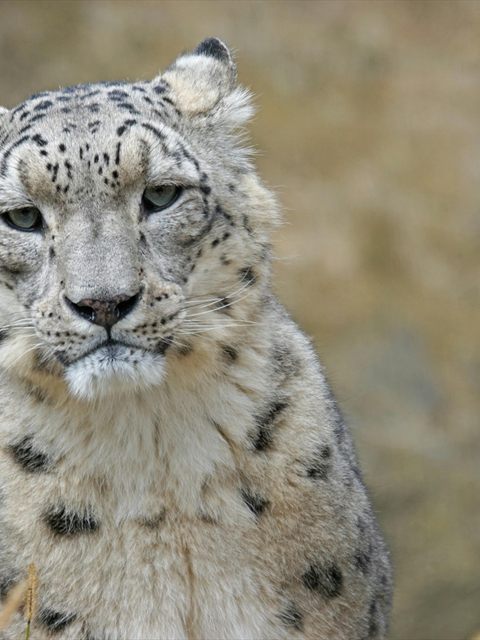
- Snow leopards, wolves, and large birds of prey are known to prey on Mishimi Takins, particularly the young and weak individuals.
- Defense Mechanisms
- Mishimi Takins rely on their strong sense of smell and agility to evade predators, often retreating to steep, rocky areas where they can escape.
- Compatible Animals
- none
- Found in Zoos
- Uncommon