


MISSION GOLDEN-EYED FROG
Lithobates johnnycashi
DESCRIPTION
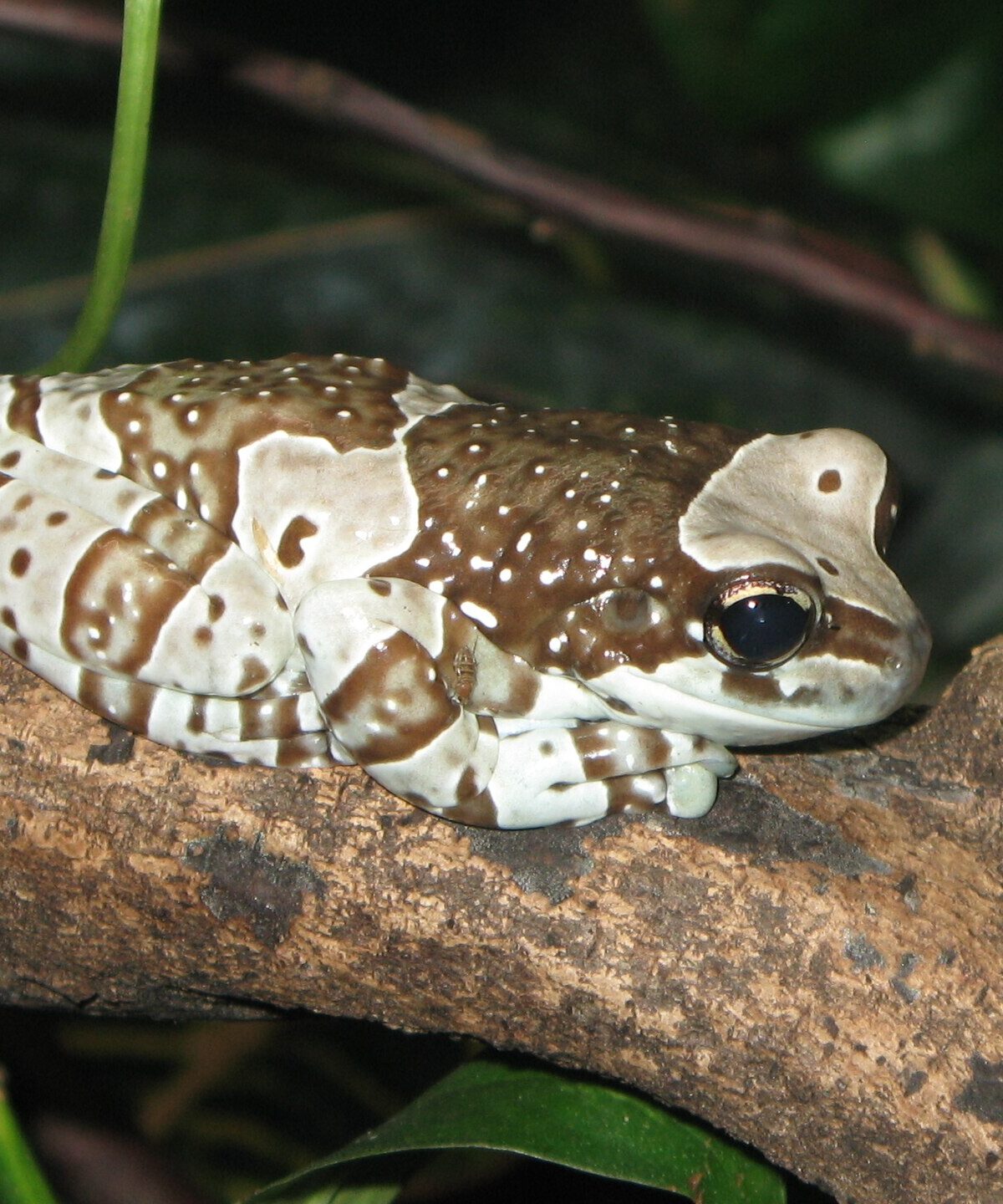
Mission Golden-Eyed Frog (Lithobates johnnycashi) is a striking amphibian known for its vibrant coloration and distinctive golden eyes. This species exhibits a robust body with smooth skin, typically displaying shades of green and brown that provide excellent camouflage in its natural habitat. Behaviorally, it is primarily nocturnal, often found near water sources where it engages in vocalizations during the breeding season, contributing to its ecological role in the local ecosystem.
FUN FACTS
- The Mission Golden-Eyed Frog is named after the legendary musician Johnny Cash, reflecting its unique and vibrant characteristics that stand out in the amphibian world
- Additionally, this species plays a vital role in its ecosystem by controlling insect populations, making it an important species for maintaining ecological balance.| Despite its striking appearance, the Mission Golden-Eyed Frog is often overlooked due to its limited range and the threats it faces, highlighting the need for conservation efforts to protect this unique amphibian
QUICK INFO
Lifespan5-10 years in the wild
Average Length5-10 cm
Diet TypeInsectivore
Social Structuresolitary
Activity PatternNocturnal
Breeding SeasonSpring (March-May)
- Habitat
- This species thrives in freshwater environments, particularly in areas with abundant vegetation such as marshes and ponds. It prefers habitats that provide both cover and access to water for breeding.
- Biomes
- Wetlands, Temperate Forest
- Native Range
- The Mission Golden-Eyed Frog is native to specific regions in Central America, particularly in areas with suitable freshwater habitats.
- Continent
- North America
- Countries
- United States, Mexico
- Diet
- The Mission Golden-Eyed Frog primarily feeds on a variety of insects and small invertebrates. Its diet plays a crucial role in controlling insect populations in its habitat.
- Diet Type
- Insectivore
- Favorite Food
- insects, small invertebrates
- Social Structure
- solitary
- Activity Pattern
- Nocturnal
- Group Size
- 1-2
- Territorial
- 0
 VU
VU
 LC
LC
5-10 cm
Length
- Coloration
- vibrant green and brown with golden eyes
- Sexual Dimorphism
- males are typically smaller and have more pronounced vocal sacs
- Lifespan
- 5-10 years in the wild
- Offspring per Birth
- 100-200 eggs
- Sexual Maturity
- 1-2 years
- Breeding Season
- Spring (March-May)
EN
Endangered
IUCN Red List Status
- Population Status
- The population status of the Mission Golden-Eyed Frog is currently of concern due to habitat loss.
- Wild Population Estimate
- unknown
- Population Trend
- Decreasing
- Endangered
- 1
- Threats
- Main threats include habitat destruction due to urbanization and pollution, which significantly impact their breeding sites. Climate change also poses a risk by altering their natural habitats.
- Predators
- birds, snakes, larger amphibians
- Defense Mechanisms
- The Mission Golden-Eyed Frog relies on its coloration for camouflage and may also exhibit evasive behaviors to escape predators.
- Found in Zoos
- Uncommon