


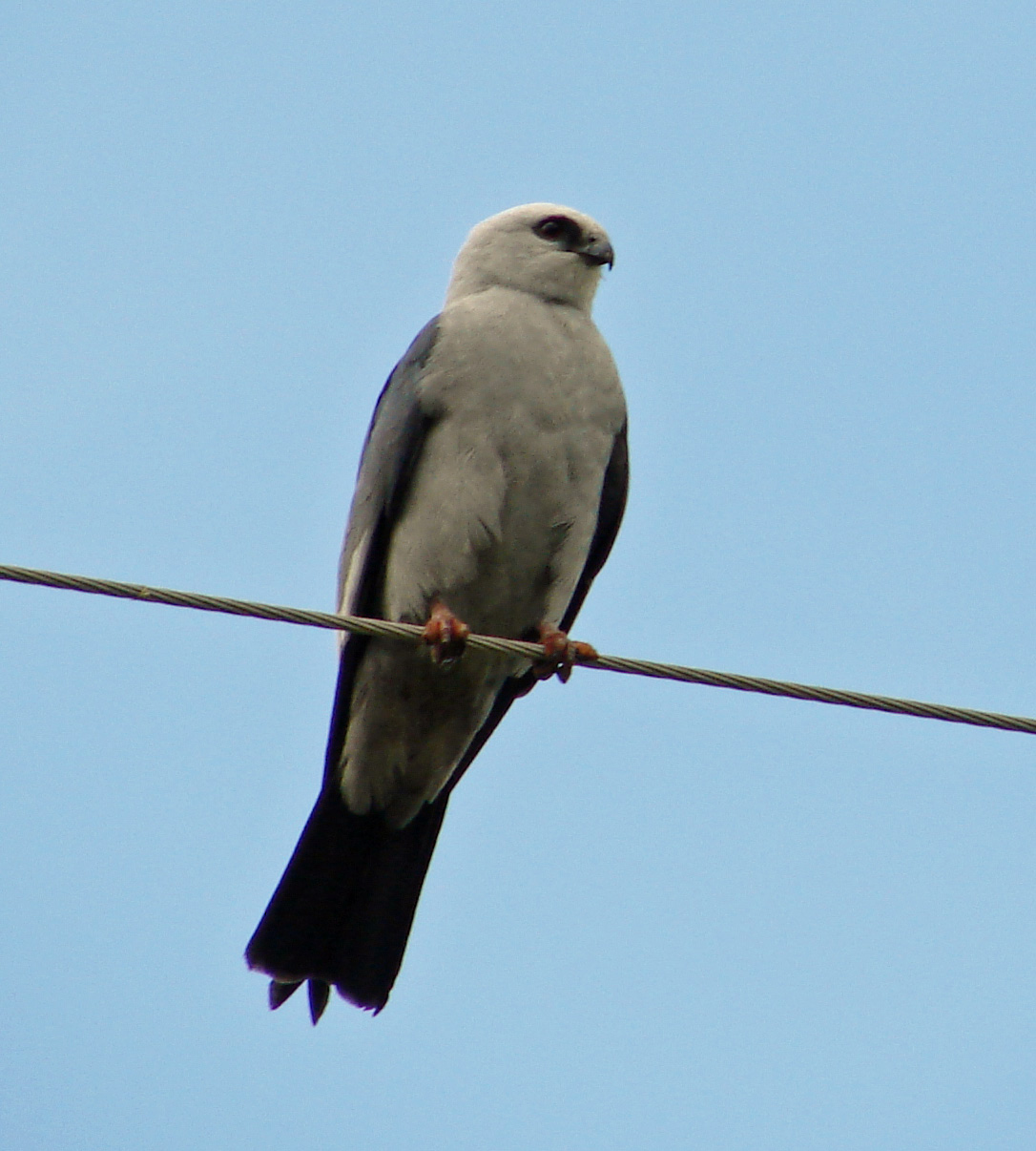
MISSISSIPPI KITE
Ictinia mississippiensis
DESCRIPTION
Mississippi Kite (Ictinia mississippiensis) is a medium-sized raptor known for its graceful flight and distinctive appearance. It has a slender body, long wings, and a short tail, with adults displaying a pale grayish-brown plumage and a black cap on their heads. These birds are often seen soaring high in the sky, utilizing thermal updrafts, and are known for their agile hunting skills, primarily preying on insects and small birds.
FUN FACTS
- Mississippi Kites are known for their unique hunting technique, where they often catch insects mid-flight, showcasing their impressive aerial skills
- They are also highly social birds, frequently seen in groups during migration, which allows them to communicate and coordinate their movements effectively
QUICK INFO
Lifespanup to 10 years in the wild
Average Weight200-300 g
Average Length35-40 cm
Diet TypeInsectivore
Social Structurepair, often seen in small groups during migration
Activity PatternDiurnal
Breeding SeasonSpring (April-June)
- Habitat
- Mississippi Kites inhabit open woodlands, urban areas, and areas near water bodies. They prefer habitats with ample trees for nesting and open spaces for hunting.
- Biomes
- Temperate Forest, Grassland, Urban
- Native Range
- The native range of the Mississippi Kite extends across the central and southeastern United States, with some populations migrating to Central America during the winter months.
- Continent
- North America
- Countries
- United States, Mexico
- Diet
- Mississippi Kites primarily feed on insects, particularly grasshoppers and dragonflies, but they also consume small birds. They are skilled hunters, often catching their prey in mid-air.
- Diet Type
- Insectivore
- Favorite Food
- insects, small birds
- Social Structure
- pair, often seen in small groups during migration
- Activity Pattern
- Diurnal
- Group Size
- 2-10
- Territorial
- 1
 LC
LC
 LC
LC
200-300 g
Weight
35-40 cm
Length
- Coloration
- pale grayish-brown with a black cap and white underparts
- Sexual Dimorphism
- males and females are similar in appearance, but females are generally larger
- Lifespan
- up to 10 years in the wild
- Offspring per Birth
- 2-4
- Sexual Maturity
- 2 years
- Breeding Season
- Spring (April-June)
LC
Least Concern
IUCN Red List Status
- Population Status
- The population of Mississippi Kites is currently stable, with some local increases noted in urban areas.
- Wild Population Estimate
- 50,000-100,000
- Population Trend
- Stable
- Endangered
- 0
- Threats
- Main threats to Mississippi Kites include habitat loss due to urban development and agricultural expansion. Additionally, pesticide use can impact their food sources.
- Predators
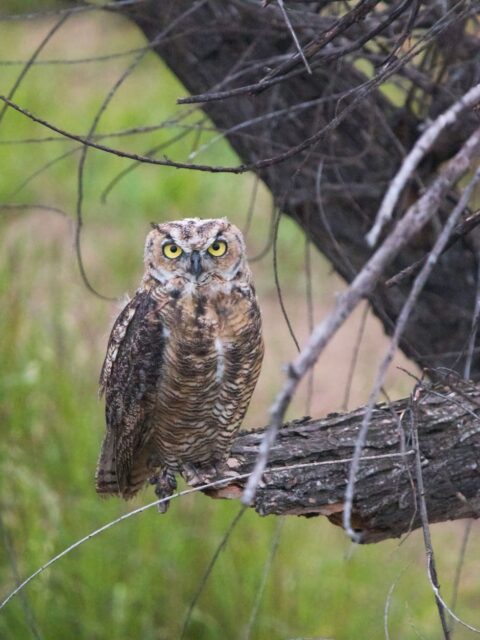
- Great Horned Owl, Red-tailed Hawk, various larger raptors
- Defense Mechanisms
- Mississippi Kites rely on their agility and speed to evade predators, often performing aerial maneuvers to escape.
- Found in Zoos
- Uncommon