


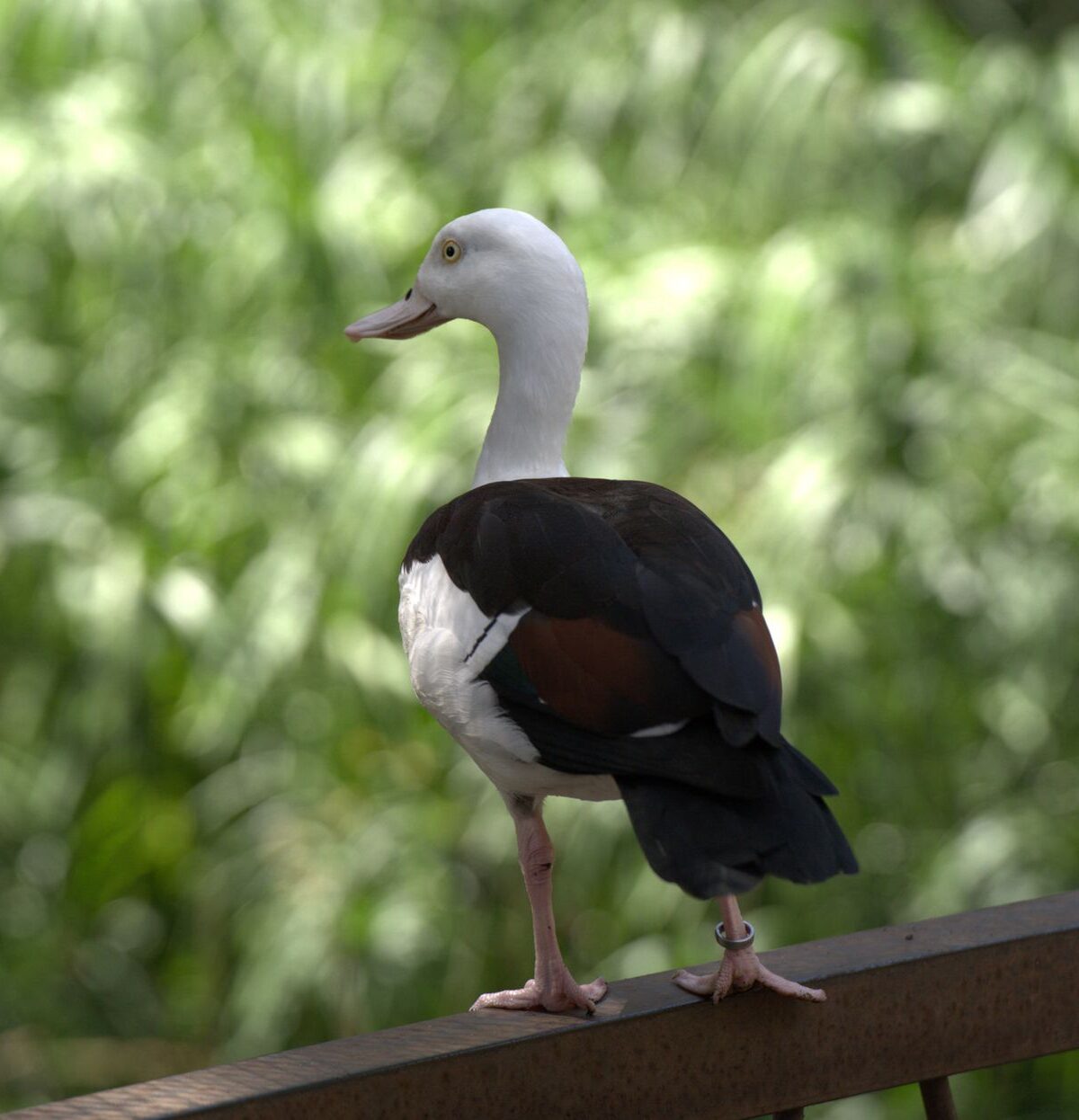
MOLUCCAN RADJAH SHELDUCK
Radjah radjah radjah
DESCRIPTION
Moluccan radjah shelduck (Radjah radjah radjah) is commonly known as the Radjah shelduck and is characterized by its striking plumage, which features a combination of rich chestnut and white colors. This species exhibits a unique behavior of nesting in tree hollows, which is relatively uncommon among ducks. In the wild, they are often found in pairs or small groups, foraging in shallow waters and wetlands.
FUN FACTS
- Moluccan radjah shelducks are known for their unique nesting habits, often choosing tree hollows over traditional ground nests, which helps protect their young from ground predators
- Additionally, they have a distinctive courtship display that includes head bobbing and vocalizations, making their mating rituals quite fascinating to observe
QUICK INFO
Lifespan10-15 years in the wild, up to 20 years in captivi
Average Weight1-1.5 kg
Average Length60-70 cm
Diet TypeOmnivore
Social StructureThey are generally found in pairs or small groups, often forming strong pair bonds.
Activity PatternDiurnal
Breeding SeasonVariable, often linked to the rainy season
- Habitat
- Moluccan radjah shelducks inhabit freshwater wetlands, swamps, and marshes, often favoring areas with dense vegetation. They are typically found near slow-moving or still water bodies.
- Biomes
- Wetlands, Freshwater
- Native Range
- This species is native to the islands of Indonesia, particularly in the Moluccas.
- Continent
- Asia
- Countries
- Indonesia
- Diet
- They primarily feed on aquatic plants, seeds, and small invertebrates found in their habitat.
- Diet Type
- Omnivore
- Favorite Food
- aquatic plants, seeds
- Social Structure
- They are generally found in pairs or small groups, often forming strong pair bonds.
- Activity Pattern
- Diurnal
- Group Size
- 2-10
- Territorial
- 0
1-1.5 kg
Weight
60-70 cm
Length
- Coloration
- They have a distinctive coloration with a dark brown head, white neck, and chestnut body.
- Sexual Dimorphism
- Males and females are similar in appearance, but males tend to be slightly larger.
- Lifespan
- 10-15 years in the wild, up to 20 years in captivi
- Offspring per Birth
- 5-12
- Sexual Maturity
- 1-2 years
- Breeding Season
- Variable, often linked to the rainy season
LC
Least Concern
IUCN Red List Status
- Population Status
- The population is currently stable, but habitat loss poses a potential threat.
- Wild Population Estimate
- Unknown
- Population Trend
- Stable
- Endangered
- 0
- Threats
- Main threats include habitat destruction due to agriculture and urban development, as well as hunting in some areas.
- Predators
- Predators include large birds of prey and some mammals that may target their nests.
- Defense Mechanisms
- They often rely on their ability to fly away quickly to escape threats.
- Compatible Animals
- Other waterfowl species, such as ducks and geese
- Found in Zoos
- Uncommon