


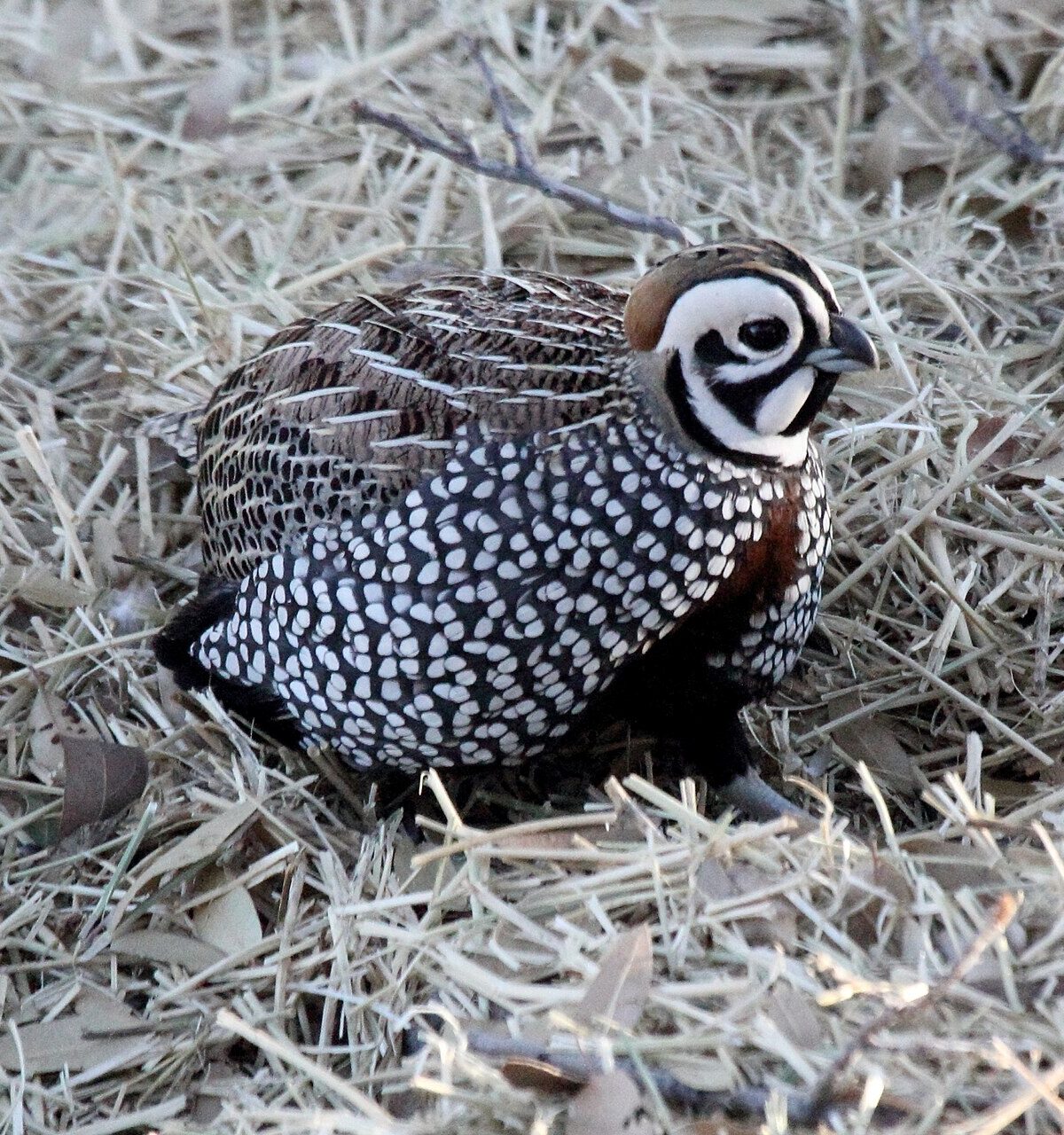
MONTEZUMA QUAIL
Cyrtonyx montezumae
DESCRIPTION
Montezuma Quail (Cyrtonyx montezumae) is also known as Arizona Quail and is characterized by its striking plumage, which features a mix of brown, black, and white patterns. This ground-dwelling bird is known for its secretive behavior, often preferring to stay hidden in dense underbrush rather than flying. Ecologically, it plays a role in seed dispersal and is typically found in mountainous regions with a mix of grassland and shrubland.
FUN FACTS
- Montezuma Quail are known for their unique courtship displays, where males perform elaborate calls and displays to attract females
- They are also capable of running quickly and can burst into flight if necessary, but they prefer to stay on the ground to avoid predators.| These quails have a fascinating social structure, often forming family groups that stay together for several months after the young hatch
- This behavior helps protect the young from predators and increases their chances of survival
QUICK INFO
Lifespan5-7 years in the wild
Average Weight150-200 g
Average Length25-30 cm
Diet TypeOmnivore
Social StructureThey are generally found in small groups or pairs, often forming family units during the breeding season.
Activity PatternDiurnal
Breeding SeasonSpring (April-June)
- Habitat
- This species inhabits mountainous areas, particularly in regions with dense vegetation and cover. They prefer habitats that provide both open ground for foraging and dense brush for protection.
- Biomes
- Temperate Forest, Grassland
- Native Range
- Montezuma Quail is native to the southwestern United States and parts of Mexico.
- Continent
- North America
- Countries
- United States, Mexico
- Diet
- Montezuma Quail primarily feeds on seeds, fruits, and leaves, foraging on the ground. They may also consume insects and other small invertebrates.
- Diet Type
- Omnivore
- Favorite Food
- seeds, fruits, leaves
- Social Structure
- They are generally found in small groups or pairs, often forming family units during the breeding season.
- Activity Pattern
- Diurnal
- Group Size
- 2-10
- Territorial
- 0
 LC
LC
 LC
LC
150-200 g
Weight
25-30 cm
Length
- Coloration
- They have a distinctive coloration with a mix of brown, black, and white, featuring a prominent crest on their head.
- Sexual Dimorphism
- Males and females are similar in appearance, but males tend to have slightly brighter coloration.
- Lifespan
- 5-7 years in the wild
- Offspring per Birth
- 8-12
- Sexual Maturity
- 1 year
- Breeding Season
- Spring (April-June)
LC
Least Concern
IUCN Red List Status
- Population Status
- The population is currently stable, but habitat loss poses a potential threat.
- Wild Population Estimate
- 50,000-100,000
- Population Trend
- Stable
- Endangered
- 0
- Threats
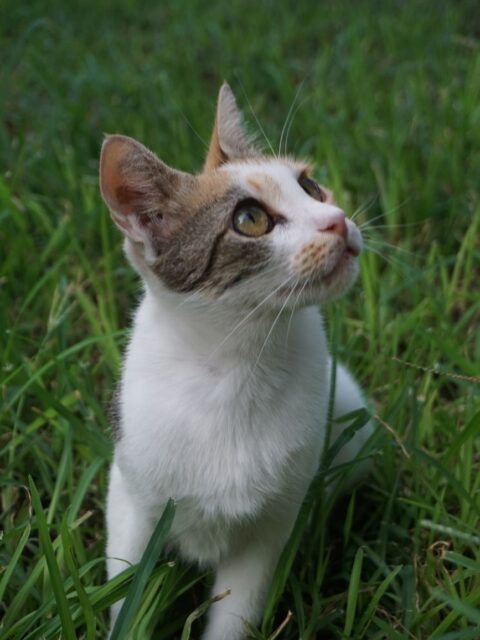
- Main threats include habitat destruction due to agriculture and urban development. Additionally, predation by domestic cats and other introduced species can impact local populations.
- Predators
- Red-tailed Hawks, Coyotes, Foxes, domestic cats
- Defense Mechanisms
- Montezuma Quail rely on their cryptic coloration and behavior to avoid detection, often freezing in place when threatened.
- Found in Zoos
- Uncommon