


MONTSERRAT ORIOLE
Icterus oberi
DESCRIPTION
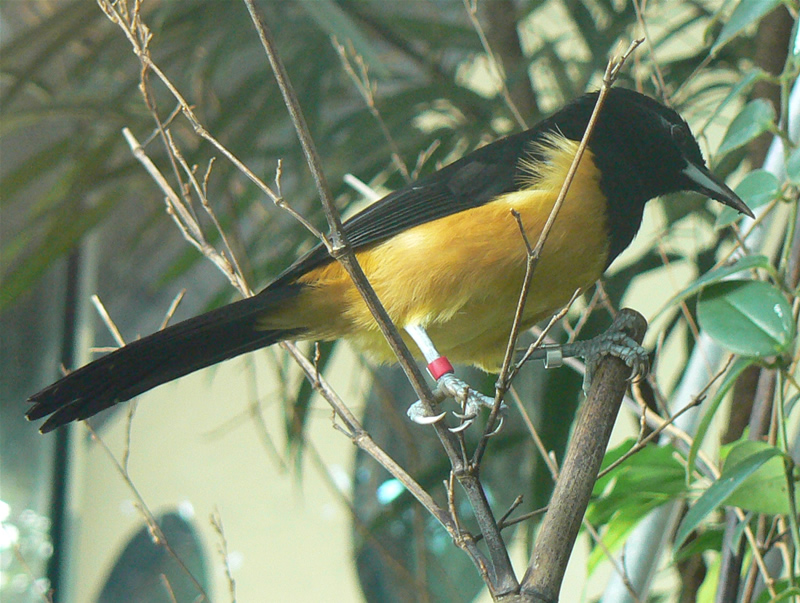
Montserrat Oriole (Icterus oberi) is a striking bird endemic to the Caribbean island of Montserrat. It features a vibrant yellow body with contrasting black wings and a distinctive black mask around its eyes. This species is known for its melodious song and is often found in forested areas, where it forages for food and interacts with other birds.
FUN FACTS
- Montserrat Orioles are known for their beautiful and complex songs, which can vary significantly between individuals, making each bird's song unique
- They are also important for the ecosystem as they help in pollination and seed dispersal, contributing to the health of their forest habitat.|Despite their vibrant appearance, Montserrat Orioles are quite elusive and can be difficult to spot in the wild
- Their preference for dense foliage and their cautious nature make them a challenge for birdwatchers, adding to the allure of observing these beautiful birds in their natural environment
QUICK INFO
Lifespanup to 10 years in the wild
Average Weight30-40 g
Average Length20-25 cm
Diet TypeOmnivore
Social Structurepair or small group, often seen foraging together
Activity PatternDiurnal
Breeding SeasonSpring (March-May)
- Habitat
- This species inhabits subtropical or tropical moist lowland forests and montane forests. They prefer areas with abundant vegetation for foraging and nesting.
- Biomes
- Tropical Rainforest
- Native Range
- Montserrat, a small island in the Caribbean
- Continent
- North America
- Countries
- Montserrat
- Diet
- Montserrat Orioles primarily feed on fruits, insects, and nectar. They play a crucial role in their ecosystem by aiding in seed dispersal.
- Diet Type
- Omnivore
- Favorite Food
- fruits, insects, nectar
- Social Structure
- pair or small group, often seen foraging together
- Activity Pattern
- Diurnal
- Group Size
- 2-10
- Territorial
- 1
 CR
CR
 LC
LC
30-40 g
Weight
20-25 cm
Length
- Coloration
- vibrant yellow body with black wings and a black mask
- Sexual Dimorphism
- males are more brightly colored than females
- Lifespan
- up to 10 years in the wild
- Offspring per Birth
- 2-4
- Sexual Maturity
- 1-2 years
- Breeding Season
- Spring (March-May)
EN
Endangered
IUCN Red List Status
- Population Status
- The population of Montserrat Oriole is currently considered to be declining due to habitat loss.
- Wild Population Estimate
- 1,000-2,500
- Population Trend
- Decreasing
- Endangered
- 1
- Threats
- Main threats include habitat destruction due to deforestation and natural disasters such as volcanic eruptions. Climate change also poses a risk to their habitat.
- Conservation Program
- Conservation efforts are in place to protect their habitat and monitor their population.
- Predators
- Hawks, snakes, and introduced species such as rats may prey on Montserrat Orioles.
- Defense Mechanisms
- They may use their vocalizations to warn others of danger and can quickly flee to dense foliage.
- Found in Zoos
- Rare