


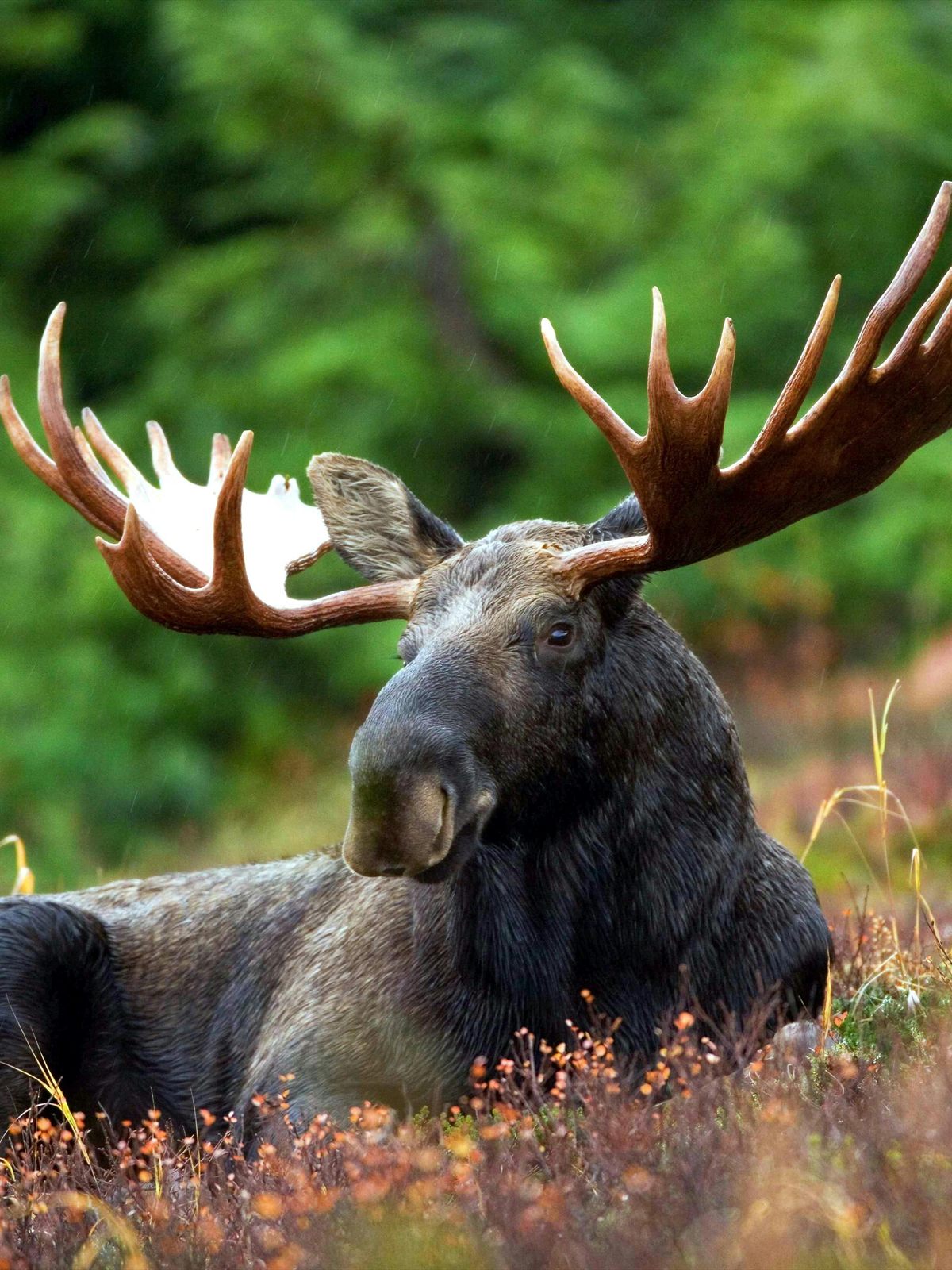
MOOSE
Alces alces
DESCRIPTION
Moose, also known as Alces, is the largest member of the deer family, characterized by its long legs, large body, and distinctive broad, palmate antlers found in males. They have a dark brown coat that can appear lighter in summer, and their long snouts are adapted for foraging. Moose are generally solitary animals, often found in forested areas near water sources, where they feed on aquatic plants and shrubs.
FUN FACTS
- Moose are excellent swimmers and can dive up to 5 meters underwater to feed on aquatic plants
- They can also run at speeds of up to 56 km/h on land, despite their large size.|The antlers of a male moose can weigh up to 30 kg and are shed and regrown annually
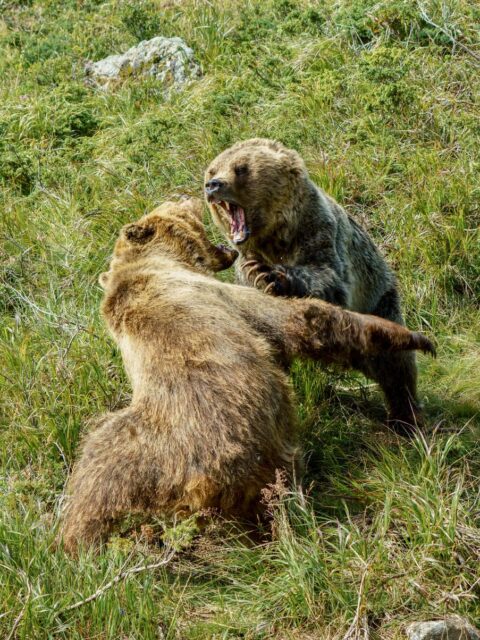
- During the mating season, males will engage in displays of dominance, including vocalizations and physical confrontations with other males
QUICK INFO
Lifespan15-25 years in the wild, up to 30 in captivity
Average Weight400-700 kg
Average Length2.4-3.2 m
Diet TypeHerbivore
Social Structuresolitary, with occasional pairs during mating season
Activity PatternCrepuscular
Breeding SeasonAutumn (September-November)
- Habitat
- Moose inhabit boreal and temperate forests, often near lakes, rivers, and wetlands. They prefer areas with abundant vegetation for feeding and cover.
- Biomes
- Boreal Forest, Temperate Forest
- Native Range
- Moose are native to North America, Europe, and Asia, with populations primarily found in Canada, the northern United States, and parts of Scandinavia and Russia.
- Continent
- North America, Europe, Asia
- Countries
- Canada, United States, Norway, Sweden, Finland, Russia
- Diet
- Moose are herbivores, primarily feeding on leaves, bark, and aquatic vegetation. They are known to consume a variety of plant materials, including twigs and buds from trees and shrubs.
- Diet Type
- Herbivore
- Favorite Food
- Willow, aquatic plants, and tree bark
- Social Structure
- solitary, with occasional pairs during mating season
- Activity Pattern
- Crepuscular
- Group Size
- 1-2
- Territorial
- 0
 LC
LC
 LC
LC
400-700 kg
Weight
2.4-3.2 m
Length
1.5-2.1 m at shoulder
Height (Shoulder)
- Coloration
- dark brown to light brown, with a lighter patch on the muzzle
- Sexual Dimorphism
- males are larger and have antlers, females do not
- Lifespan
- 15-25 years in the wild, up to 30 in captivity
- Gestation Period
- 230 days
- Offspring per Birth
- 1-2
- Sexual Maturity
- 1.5-2 years
- Breeding Season
- Autumn (September-November)
LC
Least Concern
IUCN Red List Status
- Population Status
- Moose populations are generally stable, but local populations can fluctuate due to environmental factors and hunting.
- Wild Population Estimate
- 1,000,000-1,200,000
- Population Trend
- Stable
- Endangered
- 0
- Threats
- Main threats to moose include habitat loss, vehicle collisions, and hunting. Climate change is also impacting their habitat and food sources.
- Predators
- Wolves, bears, and humans are the primary predators of moose. Calves are particularly vulnerable to predation.
- Defense Mechanisms
- Moose can defend themselves by using their size and strength, and they may charge at threats if provoked.
- Found in Zoos
- Uncommon