


MORELET'S CROCODILE
Crocodylus moreletii
DESCRIPTION
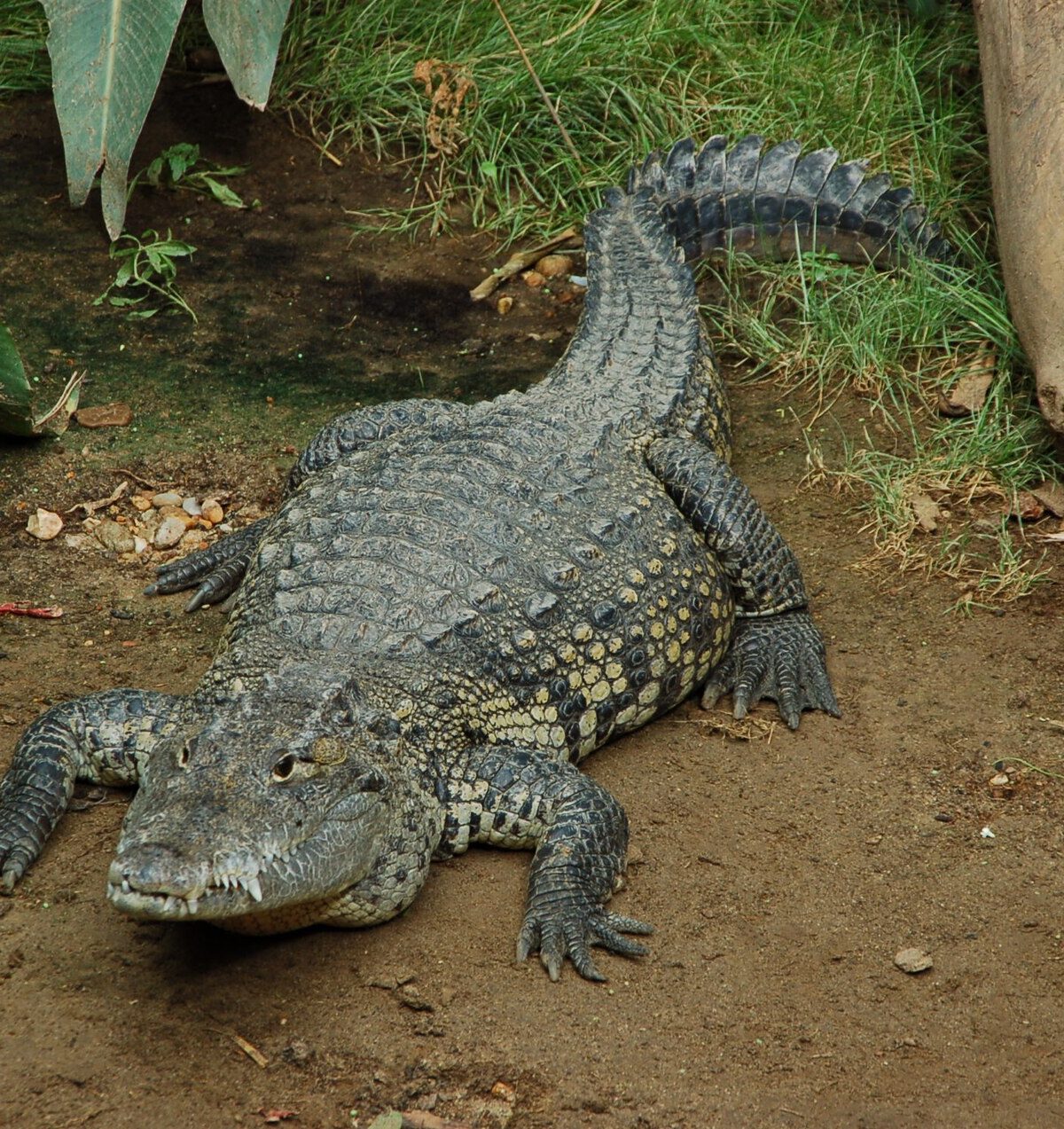
Morelet's Crocodile (Crocodylus moreletii) is commonly known as the Mexican Crocodile. This medium-sized crocodilian typically exhibits a robust body with a broad snout and can be distinguished by its dark olive-brown coloration with lighter spots. They are primarily found in freshwater habitats such as lagoons, rivers, and swamps, where they exhibit both aquatic and terrestrial behaviors, often basking on riverbanks or floating in the water.
FUN FACTS
- Morelet's Crocodile is named after the French naturalist Pierre Morelet, who studied the species in the 19th century
- | This species is known for its unique nesting behavior, where females build mounds of vegetation to lay their eggs, providing insulation and protection for the developing young
QUICK INFO
Lifespan30-50 years in the wild
Average Weight150-230 kg
Average Length2.5-4 m
Diet TypeCarnivore
Social Structuresolitary, with occasional pairs during breeding
Activity PatternNocturnal
Breeding SeasonSpring (April-June)
- Habitat
- Morelet's Crocodile inhabits freshwater environments, including rivers, lakes, and wetlands. They prefer areas with abundant vegetation and cover for nesting and basking.
- Biomes
- Wetlands, Freshwater
- Native Range
- This species is native to the freshwater habitats of Central America, particularly in Mexico, Belize, and Guatemala.
- Continent
- North America, Central America
- Countries
- Mexico, Belize, Guatemala
- Diet
- Morelet's Crocodile primarily feeds on fish, crustaceans, and small mammals. They are opportunistic feeders and will consume a variety of prey available in their habitat.
- Diet Type
- Carnivore
- Favorite Food
- fish, crustaceans
- Social Structure
- solitary, with occasional pairs during breeding
- Activity Pattern
- Nocturnal
- Group Size
- 1-2
- Territorial
- 1

150-230 kg
Weight
2.5-4 m
Length
- Coloration
- dark olive-brown with lighter spots
- Sexual Dimorphism
- males are generally larger than females
- Lifespan
- 30-50 years in the wild
- Gestation Period
- 60-70 days
- Offspring per Birth
- 20-40
- Sexual Maturity
- 4-6 years
- Breeding Season
- Spring (April-June)
VU
Vulnerable
IUCN Red List Status
- Population Status
- The population of Morelet's Crocodile has been recovering due to conservation efforts, but it remains vulnerable.
- Wild Population Estimate
- 10,000-20,000
- Population Trend
- Increasing
- Endangered
- 1
- Threats
- Main threats include habitat loss due to agriculture and urban development, as well as poaching for their skin. Conservation efforts are in place to mitigate these threats and protect their habitats.
- Conservation Program
- CITES protection and various local conservation initiatives
- Predators
- Humans, large cats, and other crocodilians can pose threats to juvenile Morelet's Crocodiles.
- Defense Mechanisms
- They rely on their powerful jaws and camouflage to avoid predators, often remaining submerged in water.
- Found in Zoos
- Uncommon