


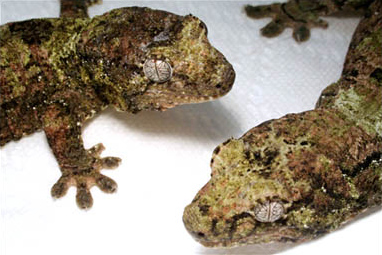
MOSSY GECKO
Naultinus spp.
DESCRIPTION
Mossy Gecko (Naultinus spp.) is a unique species of gecko native to New Zealand, known for its remarkable camouflage that resembles moss and lichen. These geckos exhibit a vibrant green coloration with intricate patterns that help them blend seamlessly into their forested habitats. They are primarily arboreal, spending much of their time in trees, and are known for their gentle demeanor and slow movements, which aid in avoiding predators.
FUN FACTS
- Mossy Geckos have a unique ability to change their color slightly to better blend into their surroundings, enhancing their camouflage
- | They are also known for their vocalizations, which include a range of clicks and chirps used for communication, especially during the breeding season
QUICK INFO
Lifespan10-15 years in the wild, up to 20 years in captivi
Average Length15-20 cm
Diet TypeOmnivore
Social Structuresolitary, with individuals often maintaining their own territories
Activity PatternNocturnal
Breeding SeasonSpring (September-November)
- Habitat
- Mossy Geckos inhabit temperate rainforests and shrublands, often found in areas with dense vegetation. They prefer environments that provide ample cover and climbing opportunities.
- Biomes
- Temperate Rainforest, Forest
- Native Range
- Mossy Geckos are endemic to New Zealand, specifically found on the North Island and some offshore islands.
- Continent
- Oceania
- Countries
- New Zealand
- Diet
- Mossy Geckos primarily feed on insects and other small invertebrates, utilizing their keen eyesight to hunt. They may also consume fruit and nectar, showcasing some omnivorous tendencies.
- Diet Type
- Omnivore
- Favorite Food
- insects, fruit
- Social Structure
- solitary, with individuals often maintaining their own territories
- Activity Pattern
- Nocturnal
- Group Size
- 1
- Territorial
- 1
15-20 cm
Length
- Coloration
- green with mottled patterns resembling moss
- Sexual Dimorphism
- males tend to be slightly larger than females
- Lifespan
- 10-15 years in the wild, up to 20 years in captivi
- Offspring per Birth
- 1-2
- Sexual Maturity
- 1-2 years
- Breeding Season
- Spring (September-November)
LC
Least Concern
IUCN Red List Status
- Population Status
- The population of Mossy Geckos is currently stable, but habitat loss poses a potential threat.
- Wild Population Estimate
- unknown
- Population Trend
- Stable
- Endangered
- 0
- Threats
- Main threats include habitat destruction due to deforestation and invasive species that compete for resources. Additionally, climate change may impact their forest habitats.
- Predators
- native birds of prey, introduced mammals such as rats and stoats
- Defense Mechanisms
- Mossy Geckos rely on their camouflage to avoid detection by predators, remaining motionless when threatened.
- Found in Zoos
- Uncommon