


MOUNTAIN DUCK
Malacorhynchus membranaceus
DESCRIPTION
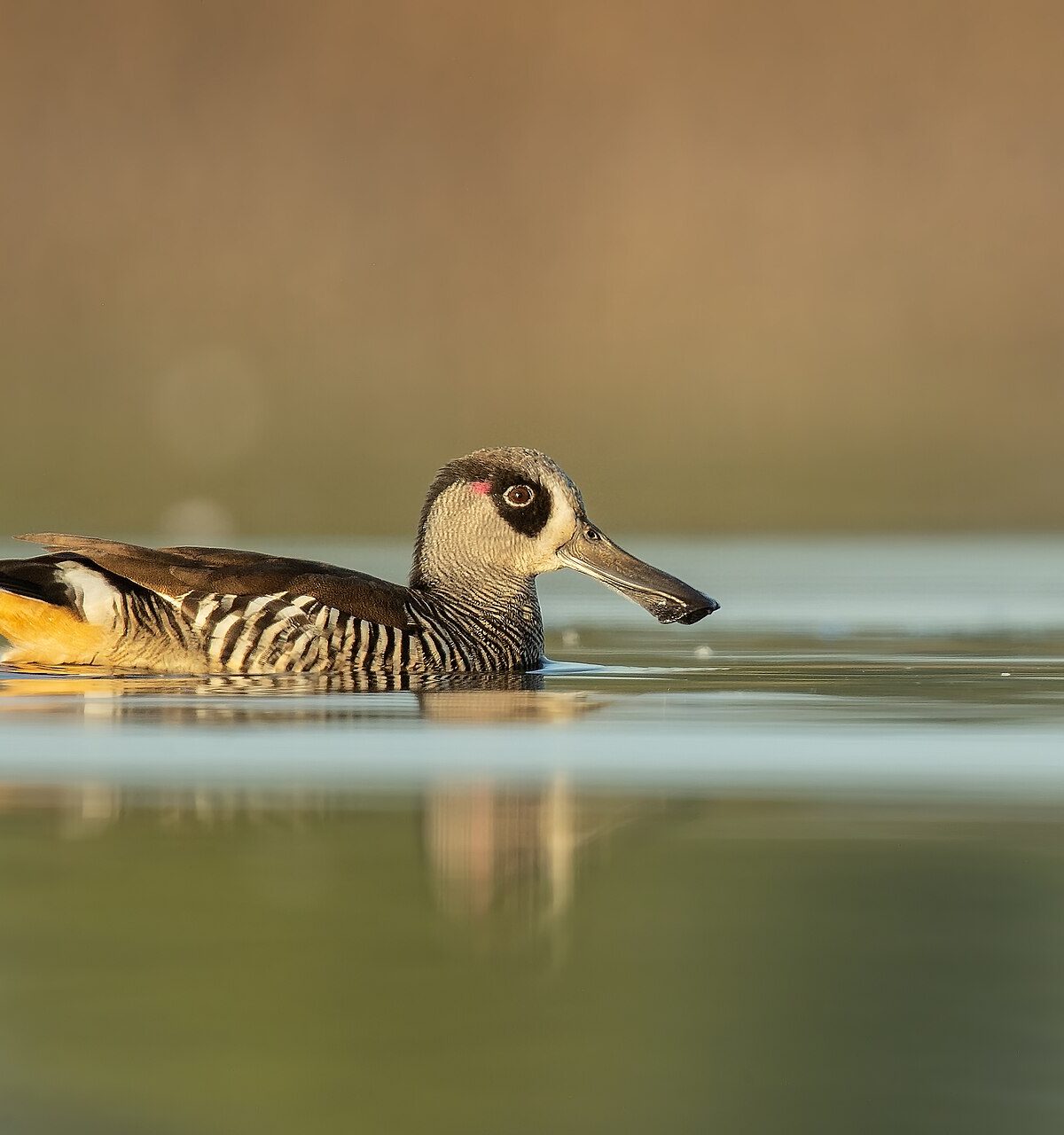
Mountain Duck (Malacorhynchus membranaceus) is also known as the Pink-eared Duck and is characterized by its distinctive pink ear patches and unique bill shape, which is broad and flattened. This species exhibits a striking plumage with a combination of brown, gray, and white, making it visually appealing. Mountain Ducks are known for their social behavior, often seen in small groups or pairs, and they inhabit freshwater wetlands where they forage for food.
FUN FACTS
- Mountain Ducks are unique among ducks for their distinctive bill shape, which allows them to filter food from the water efficiently
- They are also known for their vocalizations, which include a variety of quacks and whistles that can be heard during their social interactions
QUICK INFO
Lifespan10-15 years in the wild
Average Weight0.5-1 kg
Average Length50-60 cm
Diet TypeHerbivore
Social StructureThey are often found in pairs or small groups, especially during the breeding season.
Activity PatternDiurnal
Breeding SeasonSpring to early summer
- Habitat
- They thrive in freshwater wetlands, including lakes, swamps, and marshes, where they can find abundant food sources. These habitats provide essential resources for nesting and foraging.
- Biomes
- Wetlands, Freshwater
- Native Range
- The Mountain Duck is native to Australia and New Guinea, commonly found in the eastern and southern regions of Australia.
- Continent
- Australia, Oceania
- Countries
- Australia, Papua New Guinea
- Diet
- Mountain Ducks primarily feed on aquatic plants, seeds, and invertebrates found in their wetland habitats.
- Diet Type
- Herbivore
- Favorite Food
- aquatic plants, seeds
- Social Structure
- They are often found in pairs or small groups, especially during the breeding season.
- Activity Pattern
- Diurnal
- Group Size
- 2-10
- Territorial
- 0

 VU
VU
 LC
LC
0.5-1 kg
Weight
50-60 cm
Length
- Coloration
- The Mountain Duck has a mottled brown body with distinctive pink ear patches and a broad, flat bill.
- Sexual Dimorphism
- Males and females are similar in appearance, but males tend to be slightly larger.
- Lifespan
- 10-15 years in the wild
- Offspring per Birth
- 6-12
- Sexual Maturity
- 1-2 years
- Breeding Season
- Spring to early summer
LC
Least Concern
IUCN Red List Status
- Population Status
- The population of Mountain Ducks is currently stable, with no significant declines reported.
- Wild Population Estimate
- 50,000-100,000
- Population Trend
- Stable
- Endangered
- 0
- Threats
- Main threats include habitat loss due to wetland drainage and pollution. Climate change also poses a risk to their wetland habitats.
- Predators
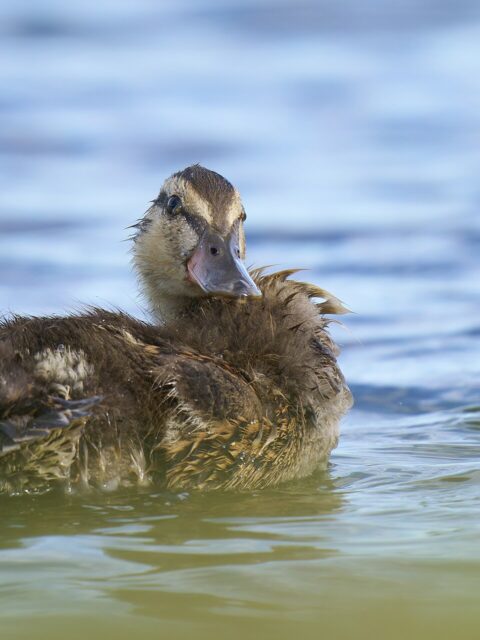
- Foxes, birds of prey, and large fish are known to prey on Mountain Duck eggs and ducklings.
- Defense Mechanisms
- They rely on their ability to quickly escape into water and their cryptic coloration for camouflage.
- Found in Zoos
- Uncommon