


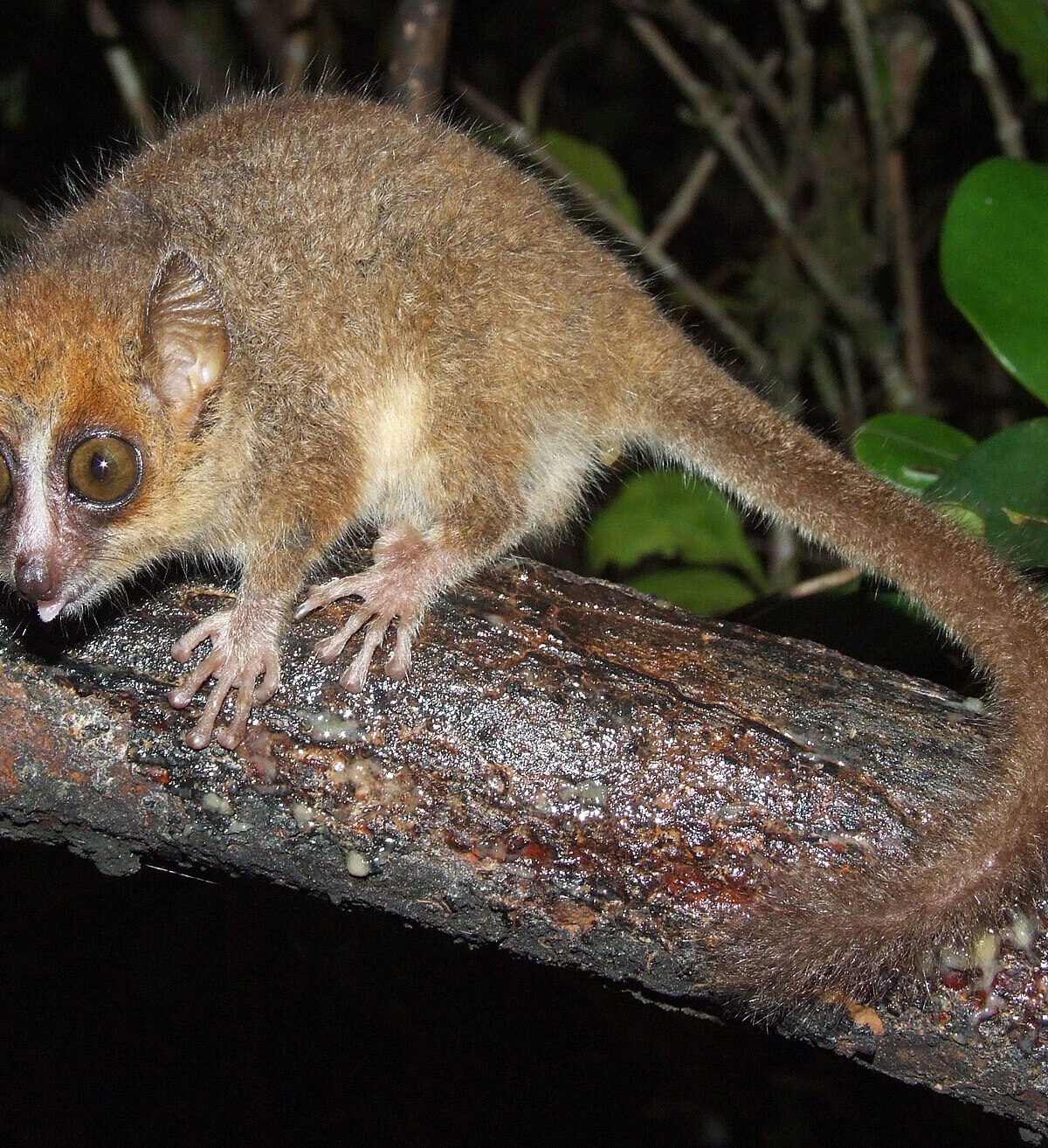
MOUSE LEMUR
Microcebus spp.
DESCRIPTION
Mouse Lemur (Microcebus spp.) is commonly known as the Dwarf Lemur, which reflects its small size and unique characteristics. These primates are nocturnal and exhibit large eyes adapted for low-light conditions, with a body length of about 10 to 14 centimeters. They are highly agile and can leap between branches, showcasing their excellent climbing abilities in the dense forests of Madagascar.
FUN FACTS
- Mouse Lemurs are among the smallest primates in the world, with some species weighing less than a mouse
- They have a unique ability to enter a state of torpor, allowing them to conserve energy during periods of food scarcity.| These lemurs have a remarkable sense of smell, which they use to locate food and communicate with each other
- Their large eyes are not only for night vision but also help them navigate through the dense foliage of their forest habitats
QUICK INFO
Lifespanup to 10 years in the wild, longer in captivity
Average Weight60-100 g
Average Length10-14 cm
Diet TypeOmnivore
Social Structuresolitary, occasionally social during feeding
Activity PatternNocturnal
Breeding SeasonSpring (September-November)
- Habitat
- Mouse Lemurs inhabit a variety of forest types, including tropical rainforests and dry deciduous forests. They are arboreal, spending most of their time in trees.
- Biomes
- Tropical Rainforest, Dry Forest
- Native Range
- Endemic to Madagascar, found in various regions across the island.
- Continent
- Africa
- Countries
- Madagascar
- Diet
- Mouse Lemurs primarily consume fruits, insects, and nectar, making them opportunistic feeders. Their diet varies seasonally based on food availability.
- Diet Type
- Omnivore
- Favorite Food
- fruits, insects, nectar
- Social Structure
- solitary, occasionally social during feeding
- Activity Pattern
- Nocturnal
- Group Size
- 1-5
- Territorial
- 1
 VU
VU
 LC
LC
60-100 g
Weight
10-14 cm
Length
- Coloration
- soft gray or brown fur with lighter underparts
- Sexual Dimorphism
- males are slightly larger than females
- Lifespan
- up to 10 years in the wild, longer in captivity
- Gestation Period
- 60-70 days
- Offspring per Birth
- 1-2
- Sexual Maturity
- 6-12 months
- Breeding Season
- Spring (September-November)
EN
Endangered
IUCN Red List Status
- Population Status
- Population estimates vary, but many species are threatened due to habitat loss.
- Wild Population Estimate
- unknown
- Population Trend
- Decreasing
- Endangered
- 1
- Threats
- The main threats to Mouse Lemurs include habitat destruction due to deforestation and hunting. These pressures have led to significant declines in their populations.
- Conservation Program
- Various conservation efforts are underway in Madagascar to protect their habitats.
- Predators
- Birds of prey, snakes, and larger mammals such as fossa.
- Defense Mechanisms
- Mouse Lemurs use their agility to escape predators and may also rely on camouflage to avoid detection.
- Found in Zoos
- Uncommon