


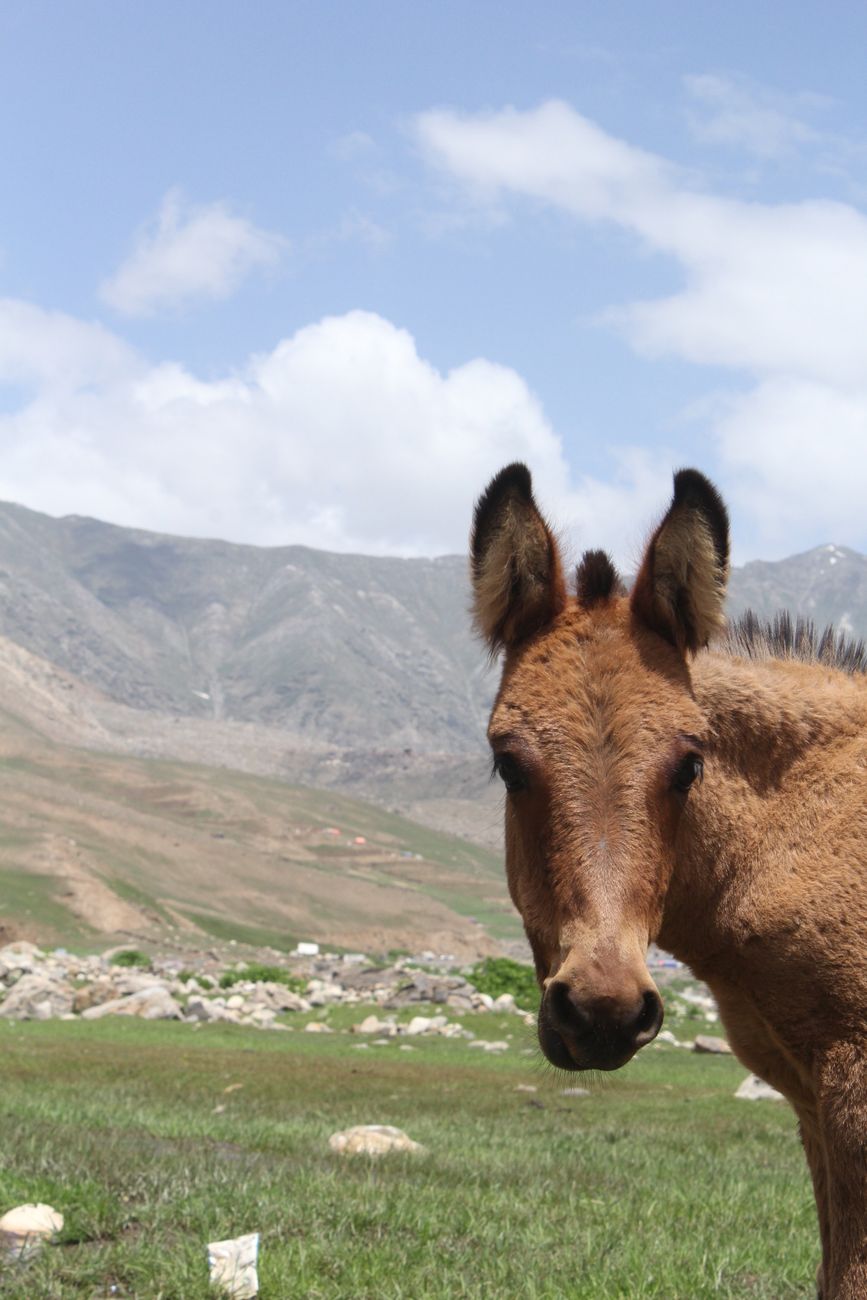
MULE
Equus mulus
DESCRIPTION
Mule is a hybrid animal resulting from the breeding of a male donkey (jack) and a female horse (mare). Mules typically exhibit a robust build, with a strong body, long ears, and a tail resembling that of a donkey. They are known for their intelligence, endurance, and sure-footedness, making them excellent pack animals in various terrains.
FUN FACTS
- Mules are known for their incredible strength and endurance, often outperforming both horses and donkeys in work-related tasks
- They have a unique trait called 'hybrid vigor,' which means they often exhibit better health and resilience than their parent species.|Mules are often mistaken for donkeys due to their long ears and sturdy build, but they are actually a distinct hybrid
- Their intelligence and cautious nature make them excellent companions for humans, especially in challenging terrains
QUICK INFO
Lifespan25-30 years
Average Weight400-500 kg
Average Length2-2.5 m
Diet TypeHerbivore
Social StructureMules can be solitary or social, often kept in pairs or small groups for companionship.
Activity PatternDiurnal
- Habitat
- Mules are adaptable animals that can thrive in a variety of habitats, including grasslands, mountains, and deserts. They are often found in areas where they can graze freely.
- Biomes
- Grassland, Desert, Mountain
- Native Range
- Mules are not a wild species; they are domesticated and found worldwide wherever horses and donkeys are kept.
- Continent
- North America, South America, Europe, Asia, Africa
- Countries
- United States, Mexico, Spain, China, India
- Diet
- Mules are herbivores, primarily grazing on grasses, hay, and grains. They require a balanced diet to maintain their health and energy levels.
- Diet Type
- Herbivore
- Favorite Food
- grasses, hay, grains
- Social Structure
- Mules can be solitary or social, often kept in pairs or small groups for companionship.
- Activity Pattern
- Diurnal
- Group Size
- 1-5
- Territorial
- 0
400-500 kg
Weight
2-2.5 m
Length
1.4-1.6 m at shoulder
Height (Shoulder)
- Coloration
- Mules can vary in color, often resembling their horse parent with shades of brown, black, or gray.
- Sexual Dimorphism
- Males are typically larger than females.
- Lifespan
- 25-30 years
- Sexual Maturity
- 3-4 years
LC
Least Concern
IUCN Red List Status
- Population Status
- Mules are not considered endangered as they are bred domestically.
- Population Trend
- Stable
- Endangered
- 0
- Threats
- Mules face threats primarily from habitat loss and changes in agricultural practices. Additionally, they may be at risk from neglect or abandonment.
- Defense Mechanisms
- Mules are known for their strong flight response and can kick if threatened.
- Compatible Animals
- horses, donkeys
- Found in Zoos
- Uncommon