


MUSK DEER
Moschus spp.
DESCRIPTION
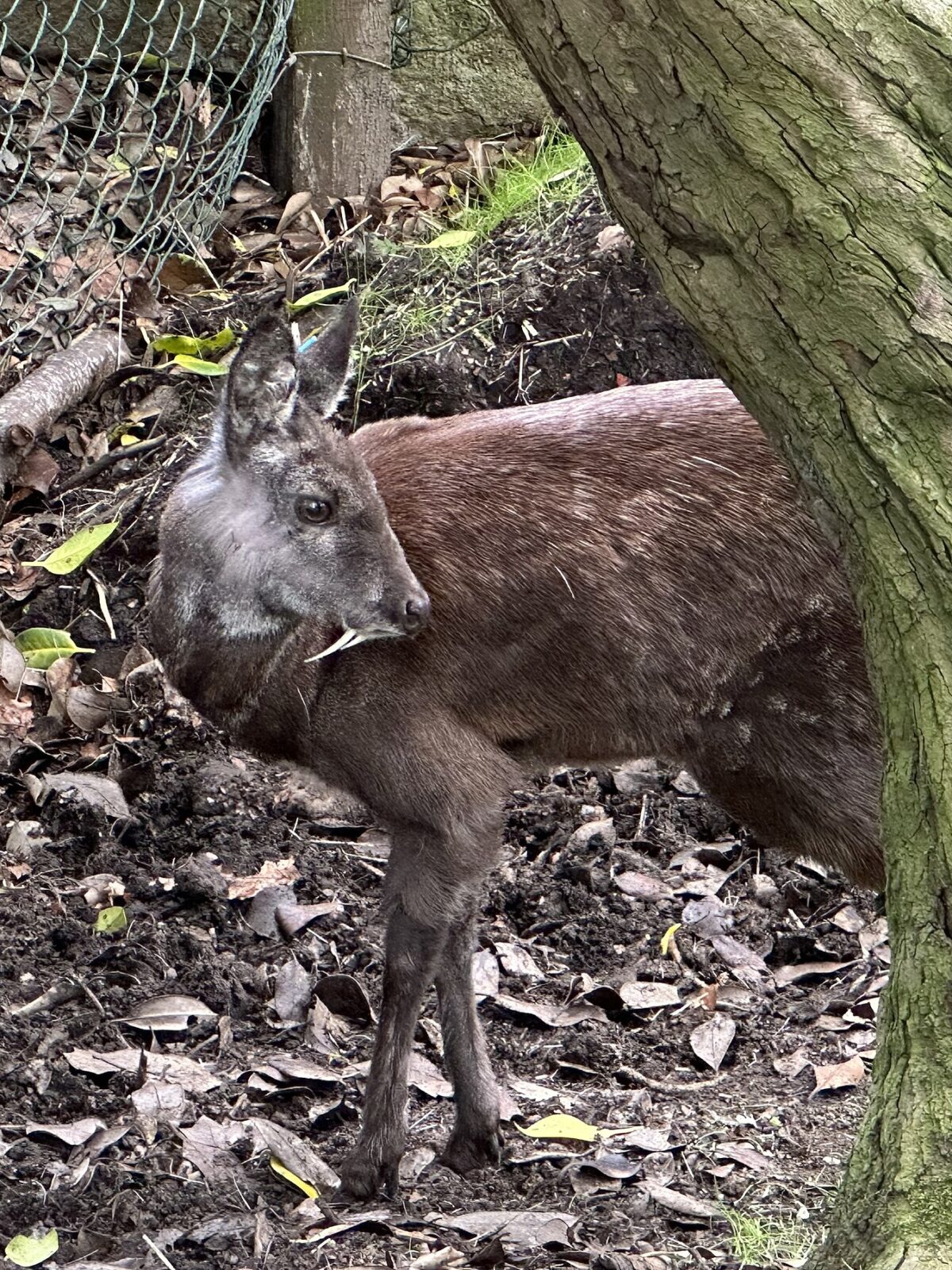
Musk Deer (Moschus spp.) is commonly known as Kasturi and is characterized by its small size and lack of antlers, which distinguishes it from other deer species. These deer have elongated bodies, short legs, and a distinctive musk gland located near the base of their abdomen, which is used for marking territory and attracting mates. Musk Deer are primarily solitary and are known for their elusive behavior, often inhabiting steep, mountainous regions where they can navigate rocky terrain with ease.
FUN FACTS
- Musk Deer are unique among deer species as they do not have antlers; instead, males possess long canine teeth that can be quite prominent
- Additionally, the musk produced by males is highly sought after and can weigh up to 30 grams, making it one of the most valuable animal products in the world
QUICK INFO
Lifespan10-15 years in the wild, up to 20 years in captivi
Average Weight10-30 kg
Average Length0.9-1.2 m
Diet TypeHerbivore
Social Structuresolitary, with occasional pairings during mating season
Activity PatternCrepuscular
Breeding SeasonAutumn (September-November)
- Habitat
- Musk Deer inhabit mountainous regions, particularly in forests and alpine meadows. They prefer areas with dense vegetation that provide cover and food sources.
- Biomes
- Temperate Forest, Alpine
- Native Range
- Musk Deer are native to the mountainous regions of Asia, including the Himalayas and parts of Siberia.
- Continent
- Asia
- Countries
- Nepal, India, Bhutan, China, Russia
- Diet
- Musk Deer are herbivores, primarily feeding on a variety of vegetation including leaves, grasses, and fruits. They are known to graze on shrubs and other low-lying plants in their mountainous habitats.
- Diet Type
- Herbivore
- Favorite Food
- leaves, grasses, fruits
- Social Structure
- solitary, with occasional pairings during mating season
- Activity Pattern
- Crepuscular
- Group Size
- 1-2
- Territorial
- 1
 VU
VU
 LC
LC
10-30 kg
Weight
0.9-1.2 m
Length
- Coloration
- Musk Deer typically have a brownish or grayish coat, which helps them blend into their forested habitats.
- Sexual Dimorphism
- Males are generally larger than females and possess elongated canine teeth, which are not present in females.
- Lifespan
- 10-15 years in the wild, up to 20 years in captivi
- Gestation Period
- 210 days
- Offspring per Birth
- 1
- Sexual Maturity
- 1-2 years
- Breeding Season
- Autumn (September-November)
VU
Vulnerable
IUCN Red List Status
- Population Status
- Musk Deer populations are declining due to habitat loss and poaching for their musk.
- Wild Population Estimate
- unknown
- Population Trend
- Decreasing
- Endangered
- 1
- Threats
- The main threats to Musk Deer include habitat destruction due to logging and agriculture, as well as poaching for their musk, which is highly valued in traditional medicine and perfumery. These pressures have led to significant declines in their populations across their range.
- Conservation Program
- Various conservation programs are in place to protect Musk Deer habitats and regulate hunting.
- Predators
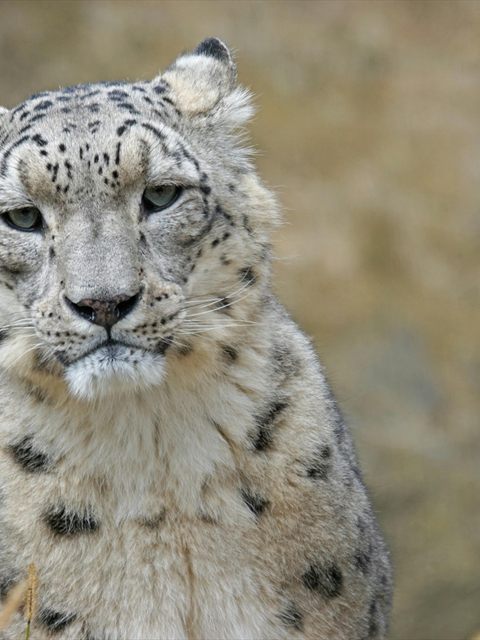
- Snow leopards, wolves, and large birds of prey are known to prey on Musk Deer.
- Defense Mechanisms
- Musk Deer rely on their agility and ability to navigate rocky terrain to escape predators, often using dense vegetation for cover.
- Found in Zoos
- Uncommon