


MUSK TURTLE
Sternotherus odoratus
DESCRIPTION
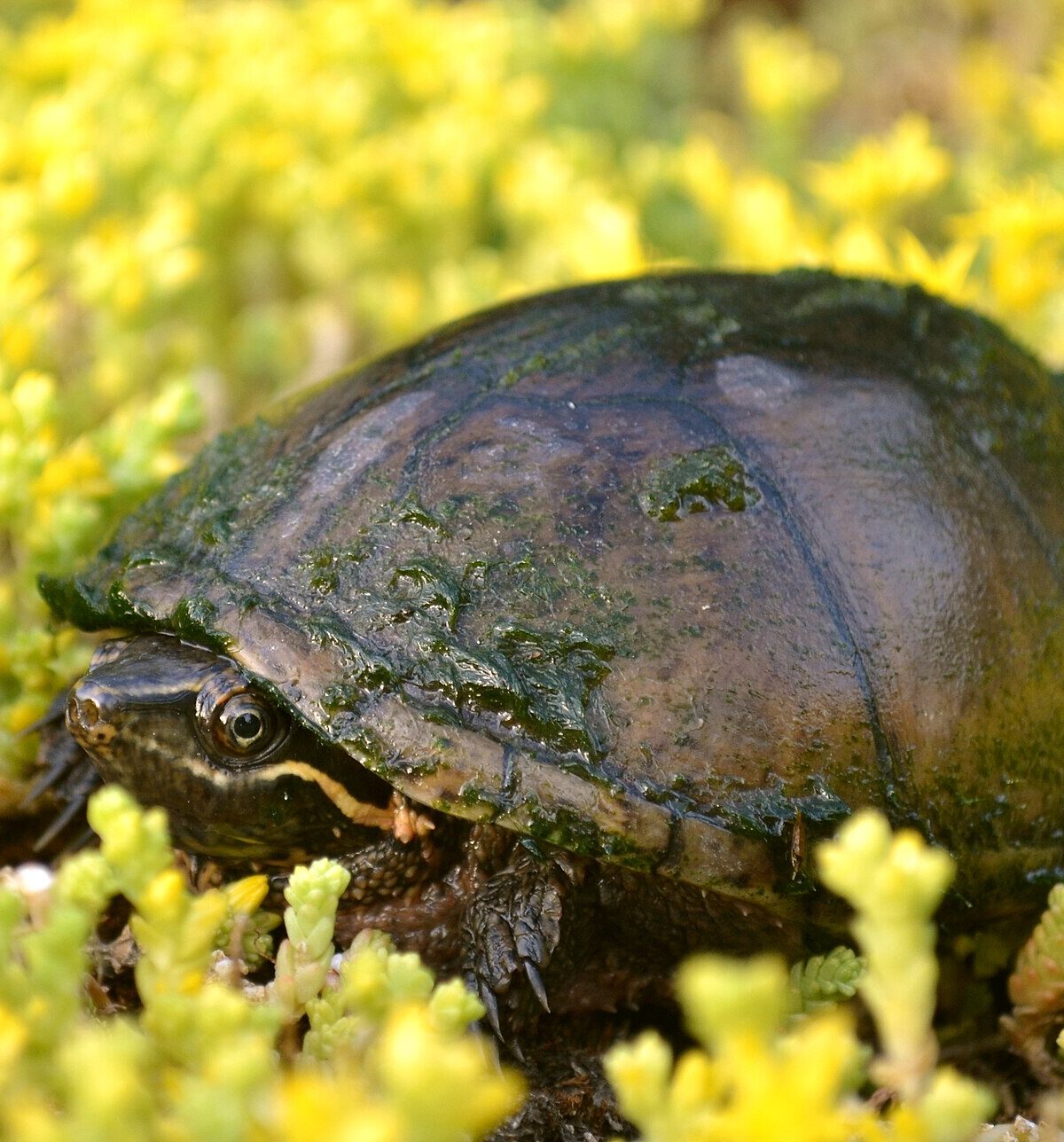
Musk Turtle (Sternotherus odoratus), also known as the Stinkpot Turtle, is a small freshwater turtle characterized by its dark, olive-brown shell and a distinctive, flattened carapace. They are known for their ability to emit a strong, musky odor when threatened, which serves as a defense mechanism against predators. Musk Turtles are primarily aquatic and are often found in slow-moving waters, where they spend much of their time foraging for food and basking on logs or rocks.
FUN FACTS
- Musk Turtles are often referred to as 'Stinkpots' due to their unique ability to release a foul-smelling musk when threatened, which can be quite effective in deterring predators
- Additionally, they have a unique habit of basking in the sun on logs or rocks, but they are quick to retreat into the water at the slightest disturbance
QUICK INFO
Lifespan20-30 years in the wild
Average Weight0.5-1 kg
Average Length10-15 cm
Diet TypeOmnivore
Social Structuresolitary, they prefer to live alone except during mating season
Activity PatternNocturnal
Breeding SeasonSpring (April-June)
- Habitat
- Musk Turtles inhabit freshwater environments such as ponds, swamps, and slow-moving rivers. They prefer areas with abundant vegetation and soft substrates for burrowing.
- Biomes
- Freshwater, Wetlands
- Native Range
- Musk Turtles are native to the eastern United States and parts of Canada.
- Continent
- North America
- Countries
- United States, Canada
- Diet
- Musk Turtles are omnivorous, feeding on a variety of aquatic invertebrates, plant matter, and detritus. They are known to consume insects, snails, and small fish.
- Diet Type
- Omnivore
- Favorite Food
- aquatic invertebrates, plant matter
- Social Structure
- solitary, they prefer to live alone except during mating season
- Activity Pattern
- Nocturnal
- Group Size
- 1-2
- Territorial
- 0
 LC
LC
 VU
VU
0.5-1 kg
Weight
10-15 cm
Length
- Coloration
- dark olive-brown with yellow or white stripes on the head and neck
- Sexual Dimorphism
- males are generally smaller with longer tails than females
- Lifespan
- 20-30 years in the wild
- Offspring per Birth
- 2-8
- Sexual Maturity
- 4-5 years
- Breeding Season
- Spring (April-June)
LC
Least Concern
IUCN Red List Status
- Population Status
- The population of Musk Turtles is currently stable, though local declines may occur due to habitat loss.
- Wild Population Estimate
- unknown
- Population Trend
- Stable
- Endangered
- 0
- Threats
- Main threats include habitat destruction due to urban development and pollution of water bodies. Additionally, they are sometimes collected for the pet trade.
- Predators
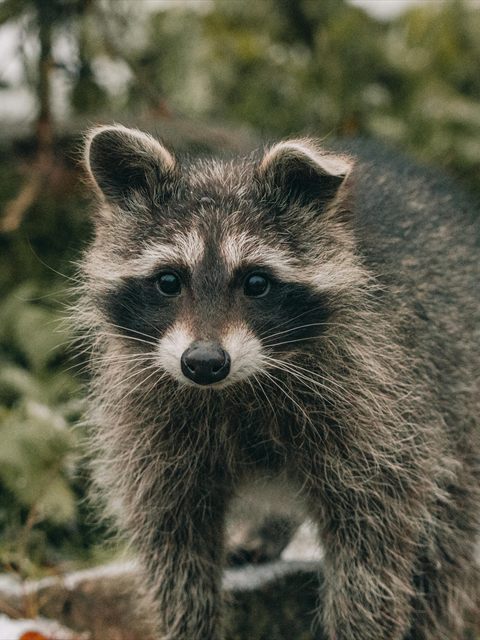
- Raccoons, birds of prey, and larger fish are known to prey on Musk Turtles.
- Defense Mechanisms
- They can emit a strong musky odor when threatened, which deters potential predators.
- Found in Zoos
- Uncommon