


MUSSELS
Mytilus spp.
DESCRIPTION
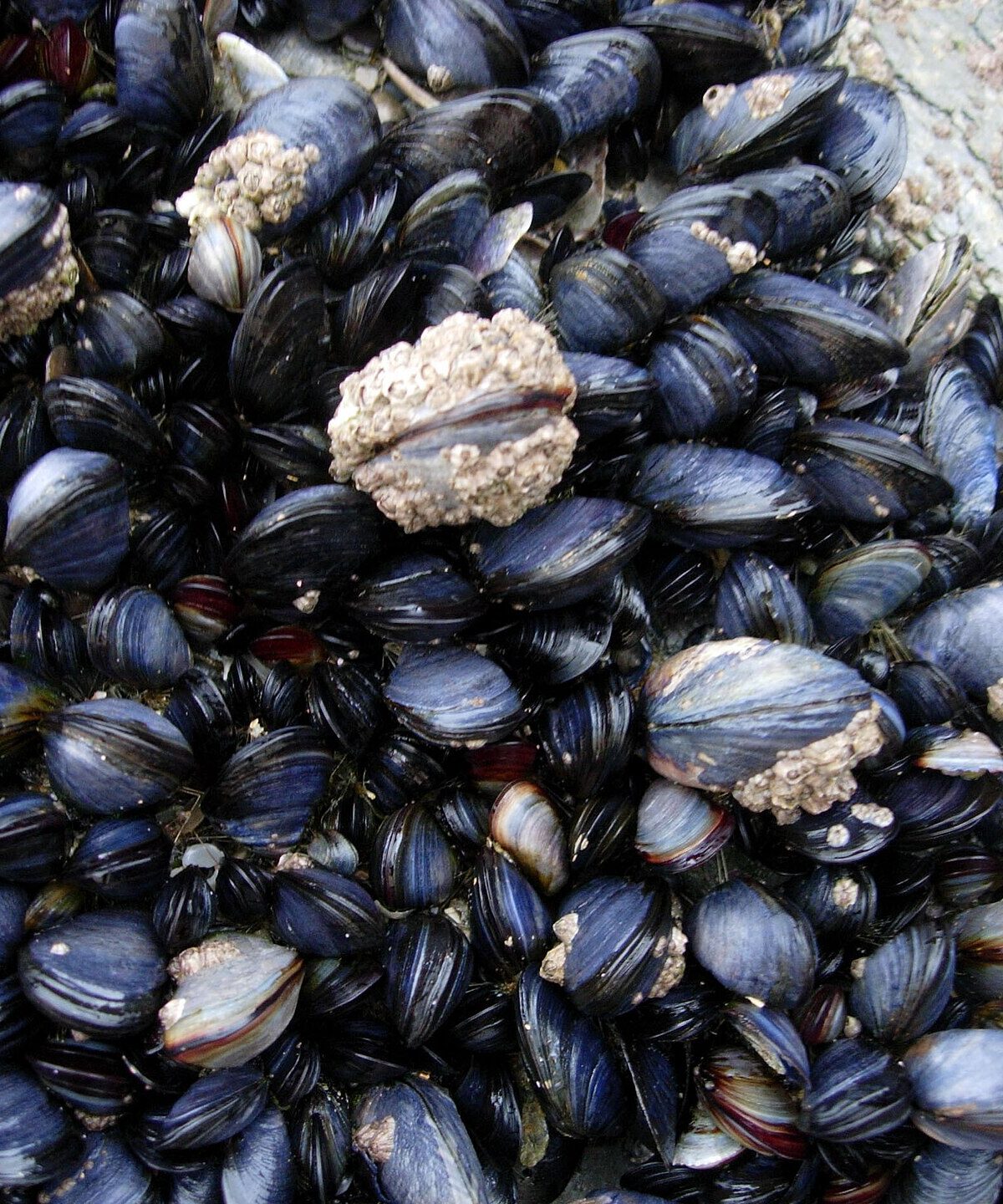
Mussels (Mytilus spp.) are bivalve mollusks characterized by their elongated, asymmetrical shells that are typically dark blue to black in color. They are commonly found in intertidal and subtidal zones, where they attach themselves to rocks or other hard substrates using strong, fibrous threads called byssal threads. These organisms play a crucial role in their ecosystems by filtering water and providing habitat for various marine species.
FUN FACTS
- Mussels can filter up to 50 gallons of water per day, significantly improving water quality in their habitats
- They are also known to have a symbiotic relationship with certain algae, which can provide them with additional nutrients in nutrient-poor environments
QUICK INFO
Lifespan5-10 years in the wild, up to 20 years in captivit
Average Weight50-100 g
Average Length5-10 cm
Diet TypeOmnivore
Social Structuregroup — they often form dense beds or clusters on hard surfaces.
Activity PatternDiurnal
Breeding SeasonSpring to early summer
- Habitat
- Mussels inhabit a variety of marine environments, including rocky shores, estuaries, and sandy bottoms. They thrive in both intertidal and subtidal zones, often forming dense beds.
- Biomes
- Marine, Coastal
- Native Range
- Mussels are found in coastal waters around the world, particularly in the North Atlantic and North Pacific Oceans.
- Continent
- North America, Europe, Asia
- Countries
- United States, Canada, United Kingdom, France, Japan
- Diet
- Mussels are filter feeders, consuming plankton and other small particles suspended in the water. They draw in water through their siphons and extract food using their gills.
- Diet Type
- Omnivore
- Favorite Food
- plankton
- Social Structure
- group — they often form dense beds or clusters on hard surfaces.
- Activity Pattern
- Diurnal
- Group Size
- hundreds to thousands
- Territorial
- 0
 VU
VU
 LC
LC
 LC
LC
 VU
VU
50-100 g
Weight
5-10 cm
Length
- Coloration
- dark blue to black shells, sometimes with green or brown hues
- Lifespan
- 5-10 years in the wild, up to 20 years in captivit
- Offspring per Birth
- up to 10 million larvae
- Sexual Maturity
- 1-2 years
- Breeding Season
- Spring to early summer
LC
Least Concern
IUCN Red List Status
- Population Status
- Mussels are generally abundant in suitable habitats, but local populations can be affected by environmental changes.
- Wild Population Estimate
- unknown
- Population Trend
- Stable
- Endangered
- 0
- Threats
- Mussels face threats from pollution, habitat destruction, and climate change, which can affect their reproductive success and survival. Overharvesting in some regions also poses a risk to local populations.
- Predators
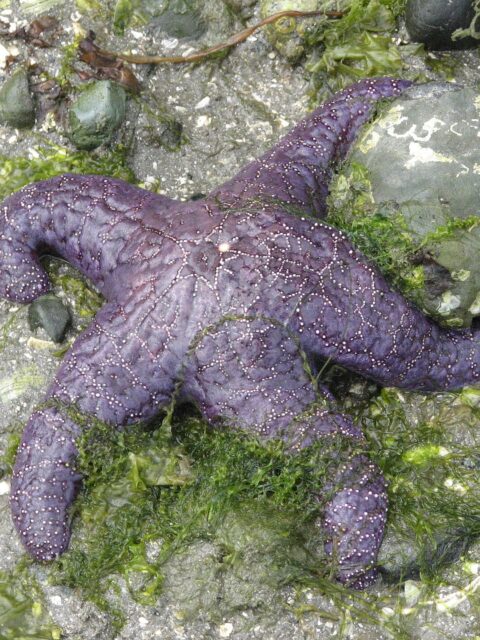
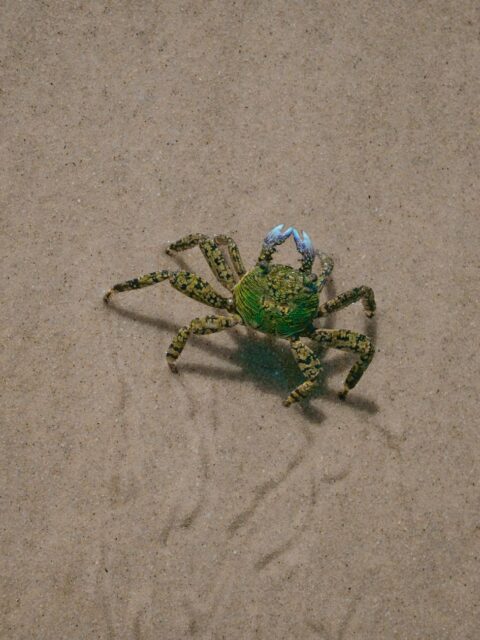
- sea stars, crabs, fish, birds
- Defense Mechanisms
- Mussels can close their shells tightly to protect themselves from predators and environmental stressors.
- Found in Zoos
- Uncommon