


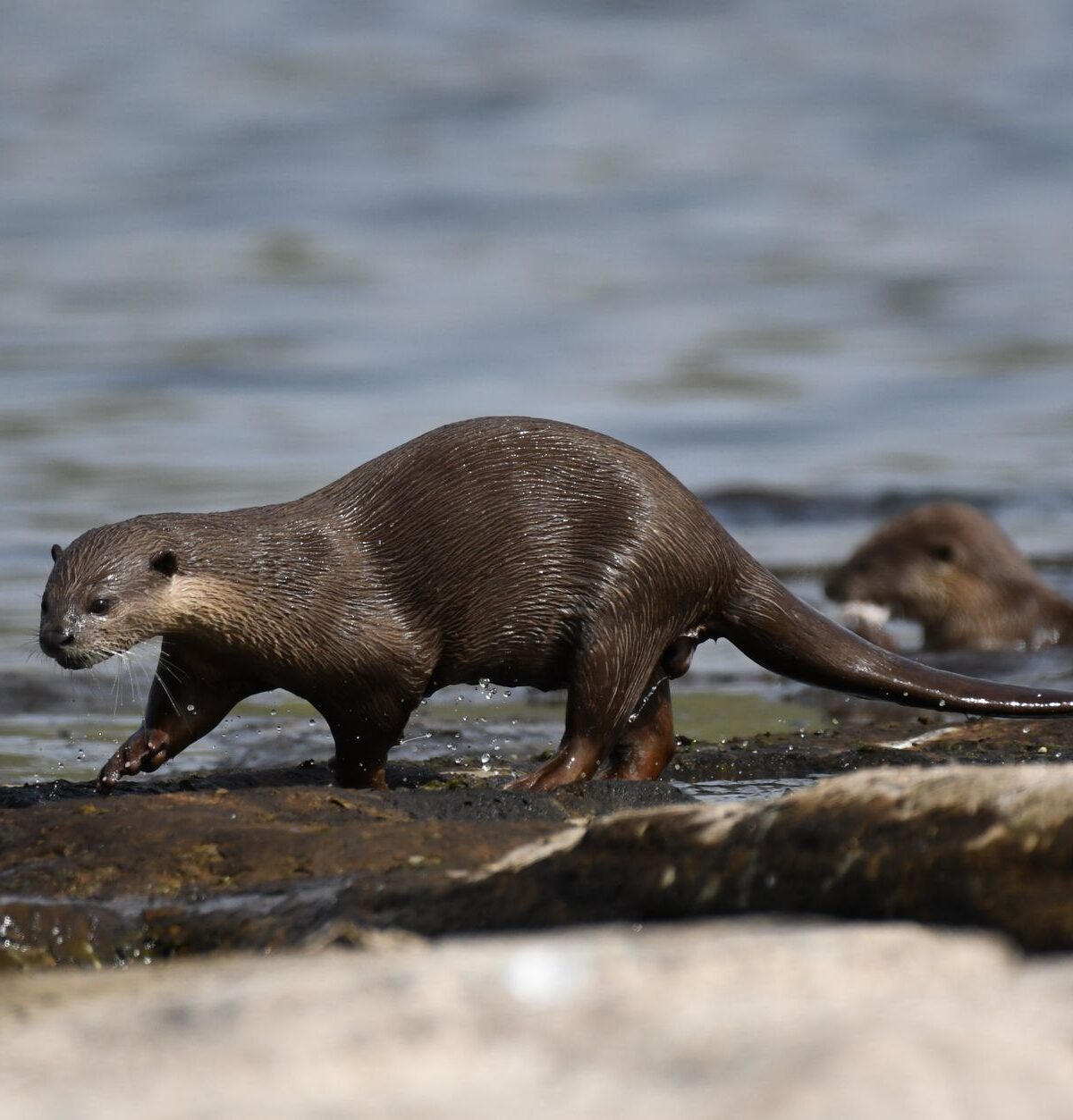
NEOTROPICAL OTTER
Lontra longicaudis
DESCRIPTION
Neotropical Otter (Lontra longicaudis) is commonly known as the Long-tailed Otter and is characterized by its elongated body and long, slender tail, which aids in swimming. This species has a dense, water-repellent fur that is typically dark brown on the back and lighter on the belly, providing excellent camouflage in its aquatic habitat. Neotropical Otters are social animals, often found in small family groups, and are known for their playful behavior, which includes sliding down mud or snowbanks and engaging in games with each other.
FUN FACTS
- Neotropical Otters are excellent swimmers, capable of diving to depths of up to 30 meters in search of food
- They have a unique social structure, often engaging in cooperative hunting and play, which strengthens family bonds and enhances their survival skills.|These otters are known for their intelligence and problem-solving abilities, often using tools such as rocks to crack open shellfish
- Their playful nature not only helps them bond with family members but also plays a crucial role in their development and learning
QUICK INFO
Lifespan10-15 years in the wild, up to 20 years in captivi
Average Weight5-10 kg
Average Length0.9-1.2 m
Diet TypeCarnivore
Social StructureThey are typically found in small family groups, consisting of a mother and her offspring, but can also be solitary.
Activity PatternDiurnal
Breeding SeasonYear-round, with peaks depending on the region
- Habitat
- They inhabit freshwater rivers, lakes, and coastal areas, often preferring regions with abundant vegetation and cover. These otters are highly adaptable and can thrive in both pristine and disturbed habitats.
- Biomes
- Freshwater, Coastal
- Native Range
- Neotropical Otters are found throughout Central and South America, from southern Mexico to northern Argentina.
- Continent
- North America, South America
- Countries
- Mexico, Guatemala, Honduras, Nicaragua, Costa Rica, Panama, Colombia, Venezuela, Ecuador, Peru, Brazil, Bolivia, Paraguay, Argentina
- Diet
- Neotropical Otters primarily feed on fish, crustaceans, and small mammals, showcasing their adaptability in various aquatic environments.
- Diet Type
- Carnivore
- Favorite Food
- fish, crustaceans
- Social Structure
- They are typically found in small family groups, consisting of a mother and her offspring, but can also be solitary.
- Activity Pattern
- Diurnal
- Group Size
- 2-6
- Territorial
- 1
 LC
LC
 VU
VU
5-10 kg
Weight
0.9-1.2 m
Length
- Coloration
- Dark brown on the back with a lighter underside
- Sexual Dimorphism
- Males are generally larger than females.
- Lifespan
- 10-15 years in the wild, up to 20 years in captivi
- Gestation Period
- 60-70 days
- Offspring per Birth
- 1-5
- Sexual Maturity
- 2-3 years
- Breeding Season
- Year-round, with peaks depending on the region
VU
Vulnerable
IUCN Red List Status
- Population Status
- The population is currently stable in some areas, but declining in others due to habitat loss and hunting.
- Wild Population Estimate
- Unknown, but believed to be decreasing in certain regions
- Population Trend
- Decreasing
- Endangered
- 1
- Threats
- Main threats include habitat destruction due to agriculture and urbanization, as well as hunting for their fur. Pollution in waterways also poses a significant risk to their health and food sources.
- Conservation Program
- Various local conservation programs aimed at habitat protection and restoration exist, but more comprehensive efforts are needed.
- Predators
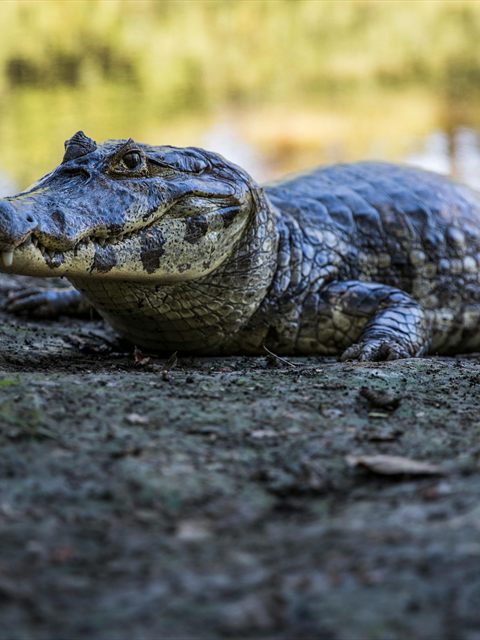
- Caimans, large birds of prey, and humans are the primary threats to Neotropical Otters.
- Defense Mechanisms
- They use their agility in water to evade predators and can also emit loud vocalizations to warn others of danger.
- Found in Zoos
- Uncommon