


NEOTROPICAL PAINTED WOOD TURTLE
Rhinoclemmys pulcherrima
DESCRIPTION
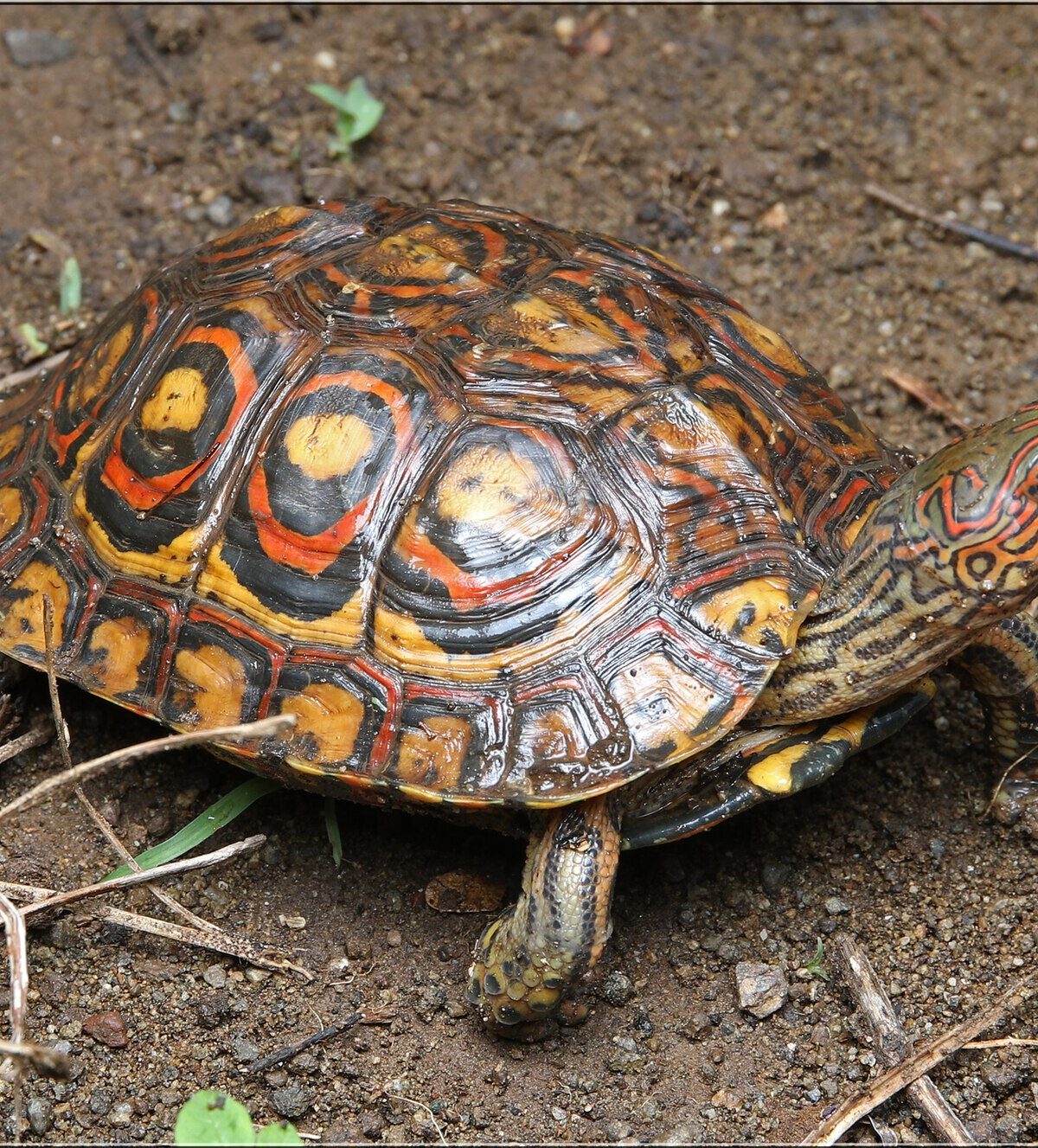
Neotropical Painted Wood Turtle (Rhinoclemmys pulcherrima) is a strikingly colorful species known for its vibrant shell patterns and striking coloration. The carapace is typically adorned with bright yellow and orange markings against a dark background, making it visually distinctive. This turtle is primarily found in freshwater habitats and is known for its semi-aquatic lifestyle, often basking on logs or rocks during the day.
FUN FACTS
- Neotropical Painted Wood Turtles are known for their unique ability to adapt to various freshwater habitats, which allows them to thrive in diverse environments
- They also play a crucial role in their ecosystems by helping to control aquatic plant growth and serving as prey for larger animals.| These turtles are often kept in captivity due to their striking appearance and relatively manageable care requirements
- However, potential owners should be aware of their long lifespan and the need for proper habitat to ensure their health and well-being
QUICK INFO
Lifespan20-30 years in the wild, up to 40 in captivity
Average Weight2-4 kg
Average Length20-30 cm
Diet TypeOmnivore
Social Structuresolitary, though they may be seen in small groups near abundant food sources
Activity PatternDiurnal
Breeding SeasonSpring to early summer
- Habitat
- These turtles inhabit freshwater environments such as rivers, streams, and ponds, often favoring areas with abundant vegetation. They are also found in forested regions near water sources.
- Biomes
- Tropical Rainforest, Freshwater
- Native Range
- The species is native to Central America, particularly in countries such as Nicaragua, Costa Rica, and Panama.
- Continent
- North America, Central America
- Countries
- Nicaragua, Costa Rica, Panama
- Diet
- Neotropical Painted Wood Turtles are omnivorous, feeding on a variety of plant matter, fruits, and small invertebrates. They are known to forage both in water and on land.
- Diet Type
- Omnivore
- Favorite Food
- fruits, aquatic plants, small invertebrates
- Social Structure
- solitary, though they may be seen in small groups near abundant food sources
- Activity Pattern
- Diurnal
- Group Size
- 1-5
- Territorial
- 0
 VU
VU
 LC
LC
2-4 kg
Weight
20-30 cm
Length
- Coloration
- The shell features a dark base color with bright yellow and orange markings, while the skin is typically dark with lighter spots.
- Sexual Dimorphism
- Males are generally smaller than females and have a more concave plastron.
- Lifespan
- 20-30 years in the wild, up to 40 in captivity
- Offspring per Birth
- 3-10
- Sexual Maturity
- 4-6 years
- Breeding Season
- Spring to early summer
LC
Least Concern
IUCN Red List Status
- Population Status
- The population is currently stable, but habitat loss poses a potential threat.
- Wild Population Estimate
- Unknown
- Population Trend
- Stable
- Endangered
- 0
- Threats
- Main threats include habitat destruction due to deforestation and pollution of water bodies. Additionally, they are sometimes collected for the pet trade.
- Predators
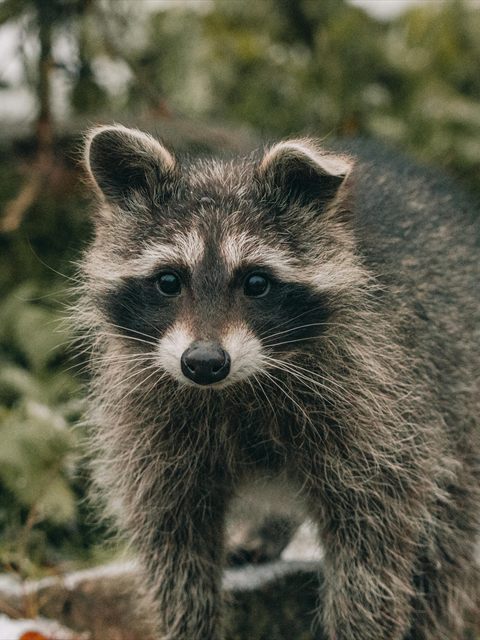
- Birds of prey, raccoons, and larger fish are known to prey on juvenile turtles. Adult turtles have fewer natural predators due to their size and hard shells.
- Defense Mechanisms
- They can retract into their shells for protection and may also exhibit a camouflaged appearance in their natural habitat.
- Compatible Animals
- Other small turtles, certain fish species
- Found in Zoos
- Uncommon