


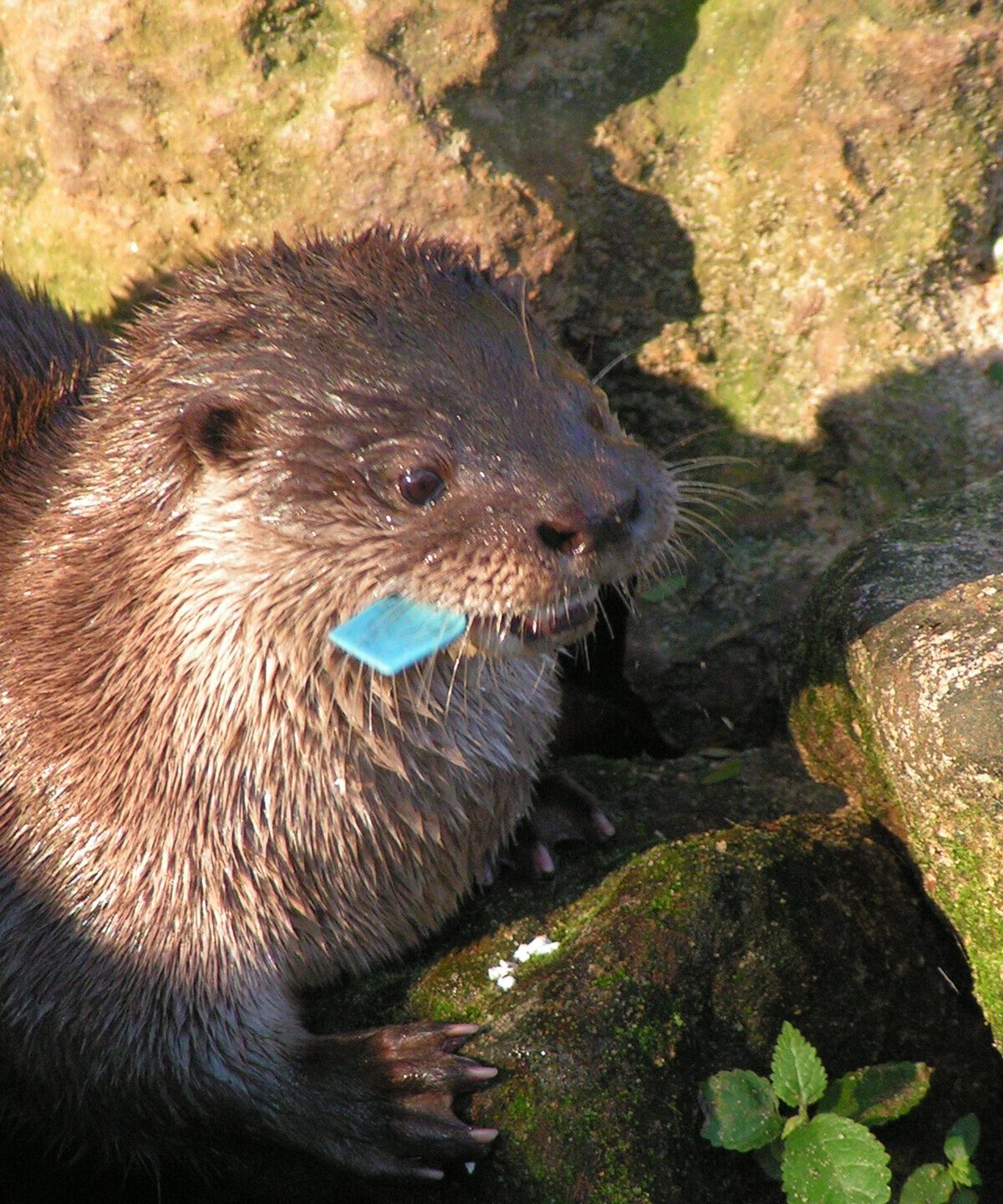
NEOTROPICAL RIVER OTTER
Lontra longicaudis
DESCRIPTION
Neotropical River Otter (Lontra longicaudis) is a semi-aquatic mammal known for its sleek body and long tail, which aids in swimming. This species exhibits a playful and social behavior, often seen sliding down mud or snowbanks into the water. They are highly adaptable and can thrive in various aquatic environments, including rivers, lakes, and coastal areas.
FUN FACTS
- Neotropical River Otters are known for their intelligence and problem-solving abilities, often using tools to help them access food
- They also have a unique vocalization system, using a variety of sounds to communicate with each other, which can include whistles, growls, and chirps
QUICK INFO
Lifespan10-15 years in the wild, up to 20 years in captivi
Average Weight5-10 kg
Average Length0.9-1.5 m
Diet TypePiscivore
Social StructureThey are generally social animals, often found in small family groups or pairs.
Activity PatternDiurnal
Breeding SeasonYear-round, with peaks depending on the region
- Habitat
- Neotropical River Otters inhabit freshwater and coastal ecosystems, often favoring areas with abundant vegetation and cover. They require clean water sources for hunting and breeding.
- Biomes
- Freshwater, Coastal
- Native Range
- They are found throughout Central and South America, from southern Mexico to northern Argentina and Uruguay.
- Continent
- North America, South America
- Countries
- Mexico, Guatemala, Honduras, Nicaragua, Costa Rica, Panama, Colombia, Venezuela, Ecuador, Peru, Brazil, Bolivia, Paraguay, Argentina, Uruguay
- Diet
- They primarily feed on fish, crustaceans, and small mammals, showcasing their opportunistic feeding habits. Their diet can vary based on the availability of prey in their habitat.
- Diet Type
- Piscivore
- Favorite Food
- fish, crustaceans
- Social Structure
- They are generally social animals, often found in small family groups or pairs.
- Activity Pattern
- Diurnal
- Group Size
- 2-10
- Territorial
- 1
 LC
LC
 VU
VU
5-10 kg
Weight
0.9-1.5 m
Length
- Coloration
- They have a dark brown fur with a lighter underbelly, providing camouflage in their aquatic habitats.
- Sexual Dimorphism
- Males are typically larger than females.
- Lifespan
- 10-15 years in the wild, up to 20 years in captivi
- Gestation Period
- 60-70 days
- Offspring per Birth
- 1-5
- Sexual Maturity
- 2-3 years
- Breeding Season
- Year-round, with peaks depending on the region
LC
Least Concern
IUCN Red List Status
- Population Status
- The population is currently stable in some areas, but declining in others due to habitat loss and hunting.
- Wild Population Estimate
- Unknown
- Population Trend
- Decreasing
- Endangered
- 0
- Threats
- Main threats include habitat destruction, pollution, and hunting for fur. These factors have led to localized declines in their populations.
- Predators
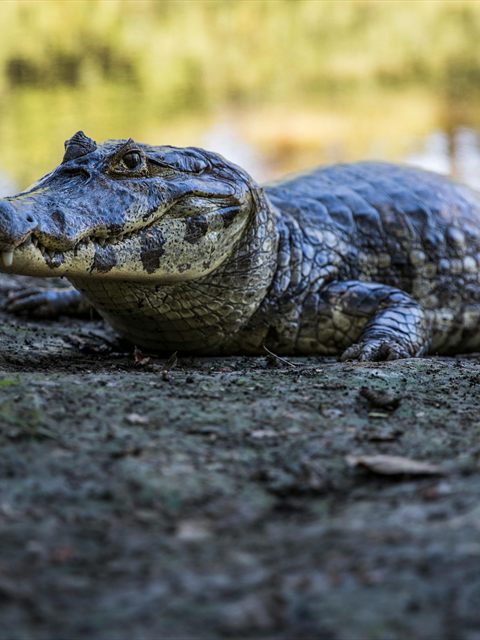
- Caimans, large birds of prey, and humans are known to pose threats to Neotropical River Otters.
- Defense Mechanisms
- They use their agility in water to evade predators and can also dive to escape threats.
- Found in Zoos
- Uncommon