


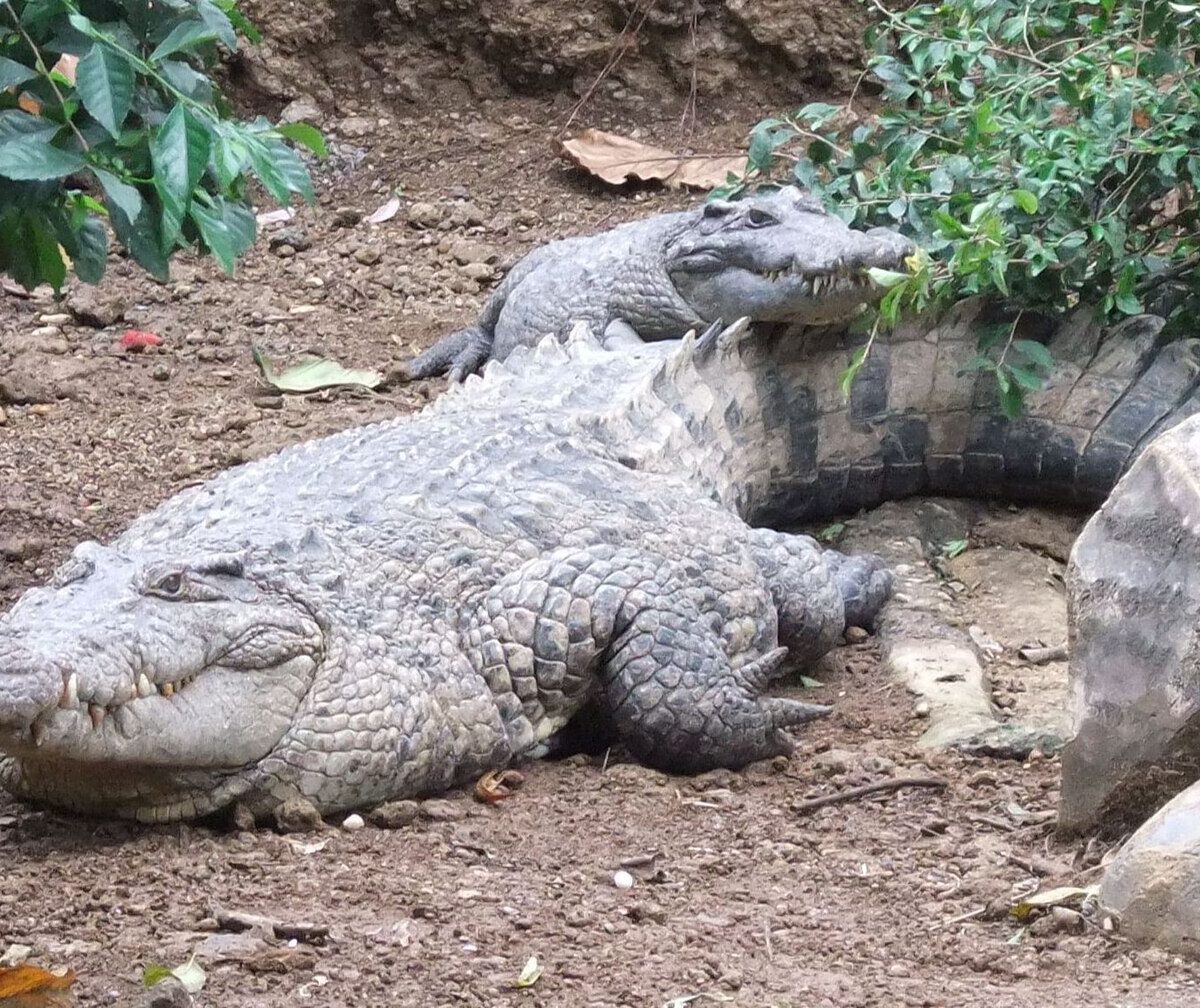
NEW GUINEA CROCODILE
Crocodylus novaeguineae
DESCRIPTION
New Guinea crocodile (Crocodylus novaeguineae) is also known as the Papuan crocodile. This species is characterized by its relatively slender body and long snout, which is adapted for catching fish. They are primarily found in freshwater habitats and are known for their elusive behavior, often basking on riverbanks or lurking in the water to ambush prey.
FUN FACTS
- New Guinea crocodiles are known for their unique nesting behavior, where females build nests from vegetation and lay their eggs in them, providing some level of protection from predators
- | They have a complex vocal communication system, using various sounds to communicate with each other, especially during the breeding season
QUICK INFO
Lifespan30-40 years in the wild, up to 70 in captivity
Average Weight100-150 kg
Average Length2.5-3.5 m
Diet TypeCarnivore
Social Structuresolitary
Activity PatternNocturnal
Breeding SeasonWet season (November-March)
- Habitat
- They inhabit freshwater rivers, swamps, and lakes, often preferring areas with dense vegetation for cover. This species is well-adapted to both aquatic and semi-aquatic environments.
- Biomes
- Freshwater, Tropical Rainforest
- Native Range
- The New Guinea crocodile is native to the island of New Guinea and surrounding areas.
- Continent
- Oceania
- Countries
- Papua New Guinea, Indonesia
- Diet
- New Guinea crocodiles primarily feed on fish, but they also consume small mammals and birds. Their hunting strategy involves stealth and quick strikes to capture their prey.
- Diet Type
- Carnivore
- Favorite Food
- fish
- Social Structure
- solitary
- Activity Pattern
- Nocturnal
- Group Size
- 1-2
- Territorial
- 1
 VU
VU
100-150 kg
Weight
2.5-3.5 m
Length
- Coloration
- They typically have a dark olive or brown coloration with lighter spots or stripes, providing camouflage in their natural habitat.
- Sexual Dimorphism
- Males are generally larger than females.
- Lifespan
- 30-40 years in the wild, up to 70 in captivity
- Gestation Period
- 90-100 days
- Offspring per Birth
- 20-30
- Sexual Maturity
- 4-6 years
- Breeding Season
- Wet season (November-March)
LC
Least Concern
IUCN Red List Status
- Population Status
- The population is currently stable, but habitat loss poses a potential threat.
- Wild Population Estimate
- Unknown
- Population Trend
- Stable
- Endangered
- 0
- Threats
- Main threats include habitat destruction due to agriculture and hunting for their skin. Additionally, human encroachment on their habitats can lead to conflicts.
- Predators
- Humans are the primary threat, but young crocodiles may be preyed upon by larger fish and birds of prey.
- Defense Mechanisms
- They rely on their camouflage and stealth to avoid detection, and can also use their powerful jaws for defense if threatened.
- Found in Zoos
- Uncommon