


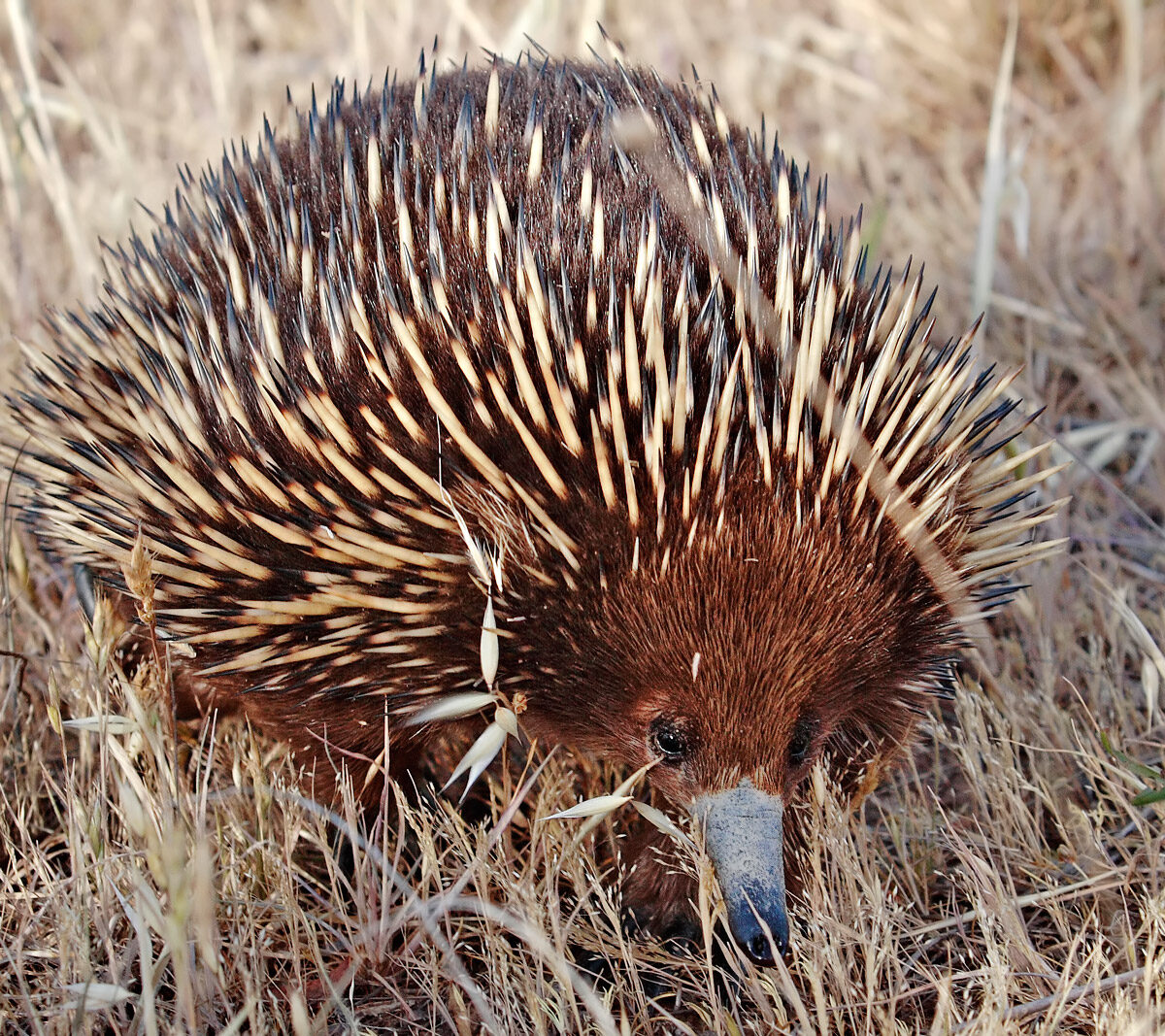
NEW GUINEA SHORT-NOSED ECHIDNA
Tachyglossus aculeatus lawesii
DESCRIPTION
New Guinea short-nosed echidna (Tachyglossus aculeatus lawesii) is commonly known as Lawes' echidna. This species is characterized by its spiny coat, which consists of coarse hair and spines, providing protection from predators. They are primarily solitary and are known for their burrowing behavior, often creating extensive tunnel systems in search of food and shelter.
FUN FACTS
- Echidnas are one of only five extant species of monotremes, which are mammals that lay eggs instead of giving birth to live young
- They have a unique method of thermoregulation, allowing them to survive in varying temperatures by burrowing into the ground or seeking shade during hot weather
QUICK INFO
Lifespanup to 30 years in captivity
Average Weight2-7 kg
Average Length30-45 cm
Diet TypeInsectivore
Social Structuresolitary, typically found alone except during mating season
Activity PatternNocturnal
Breeding SeasonSpring (September-November)
- Habitat
- New Guinea short-nosed echidnas inhabit a variety of environments, including montane forests and grasslands. They prefer areas with ample leaf litter and soil for burrowing.
- Biomes
- Tropical Rainforest, Montane Forest
- Native Range
- This species is native to the highland regions of New Guinea.
- Continent
- Oceania
- Countries
- Papua New Guinea, Indonesia
- Diet
- They primarily feed on ants and termites, using their long, sticky tongues to extract these insects from their nests.
- Diet Type
- Insectivore
- Favorite Food
- ants, termites
- Social Structure
- solitary, typically found alone except during mating season
- Activity Pattern
- Nocturnal
- Group Size
- 1
- Territorial
- 0
 LC
LC
 VU
VU
2-7 kg
Weight
30-45 cm
Length
- Coloration
- They have a dark brown to black coloration with spines that can appear lighter in color.
- Lifespan
- up to 30 years in captivity
- Gestation Period
- unknown
- Offspring per Birth
- 1
- Sexual Maturity
- 2-3 years
- Breeding Season
- Spring (September-November)
VU
Vulnerable
IUCN Red List Status
- Population Status
- The population status is not well-documented, but they are considered to be relatively rare.
- Wild Population Estimate
- unknown
- Population Trend
- Decreasing
- Endangered
- 1
- Threats
- Main threats include habitat loss due to deforestation and hunting. Additionally, climate change poses a risk to their montane habitats.
- Predators
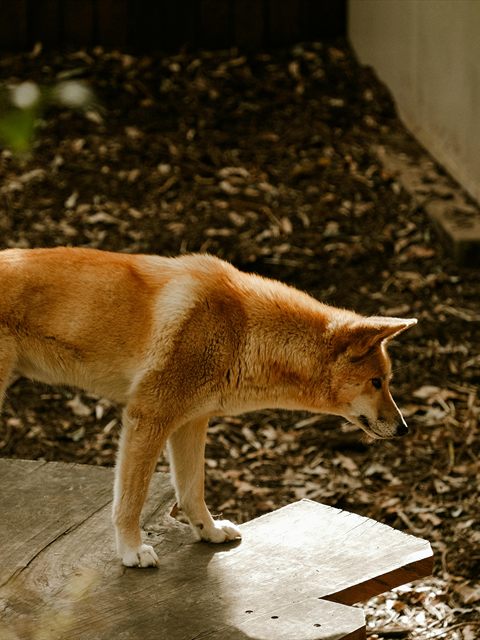
- dingoes, large birds of prey, and possibly feral cats
- Defense Mechanisms
- They can curl into a ball, using their spines as a defense against predators.
- Found in Zoos
- Uncommon