



NICOBAR PIGEON
Caloenas nicobarica
DESCRIPTION
The Nicobar Pigeon is a large, striking bird with a distinctive iridescent plumage that ranges from green to blue, accented by a white tail and a unique feathered neck ruff. It has a stout body and a relatively short tail, giving it a robust appearance. This species is known for its strong, swift flight and often forages on the ground, displaying a curious and cautious behavior in its natural habitat.
FUN FACTS
- The Nicobar Pigeon is one of the closest living relatives of the extinct Dodo, showcasing a fascinating evolutionary lineage
- Additionally, they are known for their unique courtship displays, which include elaborate vocalizations and physical displays to attract mates
QUICK INFO
Lifespan10-15 years in the wild, up to 20 in captivity
Average Weight200-300 g
Average Length30-34 cm
Diet TypeHerbivore
Social StructureThey are typically found in pairs or small groups, often seen foraging together.
Activity PatternDiurnal
Breeding SeasonYear-round, with peaks depending on food availability
- Habitat
- Nicobar Pigeons inhabit tropical forests, particularly in coastal areas and on islands. They prefer dense vegetation where they can find food and shelter.
- Biomes
- Tropical Rainforest, Coastal
- Native Range
- The Nicobar Pigeon is native to the Nicobar Islands, parts of Southeast Asia, and some coastal regions of India.
- Continent
- Asia
- Countries
- India, Indonesia, Malaysia, Thailand
- Diet
- The Nicobar Pigeon primarily feeds on seeds, fruits, and nuts, often foraging on the forest floor. It plays a crucial role in seed dispersal within its ecosystem.
- Diet Type
- Herbivore
- Favorite Food
- seeds, fruits, nuts
- Social Structure
- They are typically found in pairs or small groups, often seen foraging together.
- Activity Pattern
- Diurnal
- Group Size
- 2-10
- Territorial
- 0
 LC
LC
 LC
LC
200-300 g
Weight
30-34 cm
Length
- Coloration
- Iridescent green and blue plumage with a white tail and a ruff of feathers around the neck.
- Lifespan
- 10-15 years in the wild, up to 20 in captivity
- Offspring per Birth
- 1-2
- Sexual Maturity
- 1-2 years
- Breeding Season
- Year-round, with peaks depending on food availability
NT
Near Threatened
IUCN Red List Status
- Population Status
- The Nicobar Pigeon is currently classified as Near Threatened due to habitat loss and hunting.
- Wild Population Estimate
- 10,000-20,000
- Population Trend
- Decreasing
- Endangered
- 1
- Threats
- Main threats include habitat destruction due to deforestation and hunting for food and feathers. These pressures have led to a decline in their population.
- Conservation Program
- Conservation efforts include habitat protection and monitoring of populations in the Nicobar Islands.
- Predators
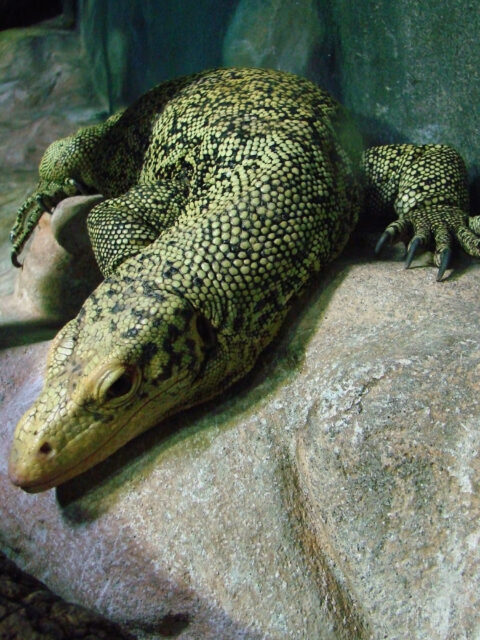
- Monitor lizards, snakes, and various birds of prey.
- Defense Mechanisms
- They rely on their ability to fly quickly and their camouflage to evade predators.
- Compatible Animals
- Other pigeon species, small birds
- Found in Zoos
- Uncommon