


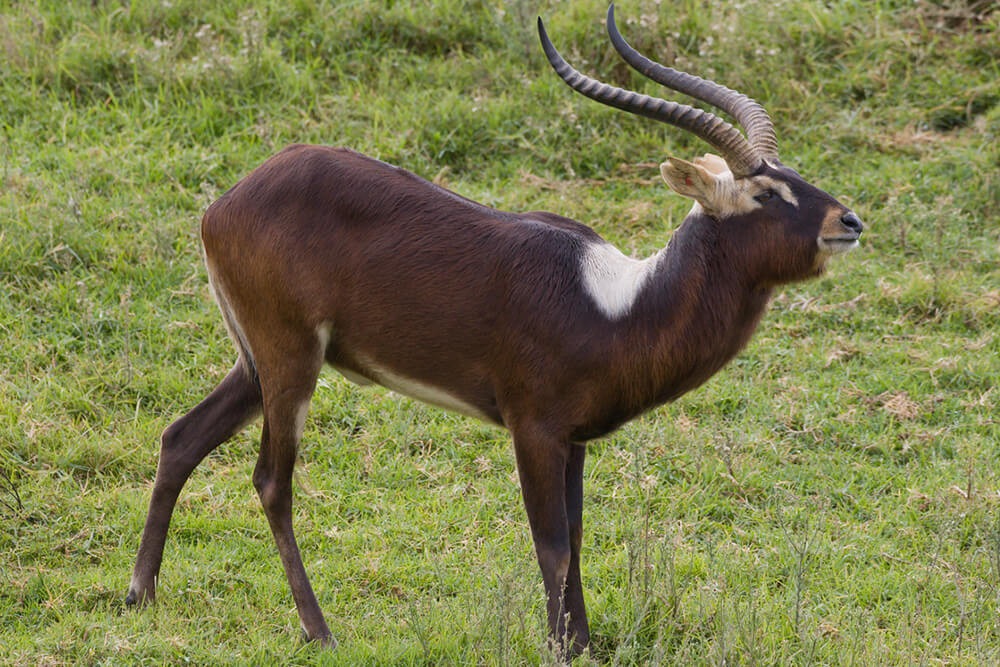
NILE LECHWE
Kobus megaceros
DESCRIPTION
Nile Lechwe, also known as Kobus, is a medium-sized antelope characterized by its long, slender legs and elongated body. They have a distinctive coloration, with a reddish-brown coat and white underparts, which helps them blend into their wetland habitats. These animals are highly adapted to living in marshy areas, where they are often seen grazing on aquatic vegetation and are known for their agility in water.
FUN FACTS
- Nile Lechwe are excellent swimmers and can submerge themselves to evade predators, making them unique among antelope species
- They are also known for their distinctive mating displays, where males will engage in elaborate posturing and vocalizations to attract females
QUICK INFO
Lifespan10-15 years in the wild, up to 20 years in captivi
Average Weight50-100 kg
Average Length1.2-1.5 m
Diet TypeHerbivore
Social Structuregroup — they typically live in herds of females and young, with males being more solitary.
Activity PatternDiurnal
Breeding SeasonYear-round, peaks during the rainy season
- Habitat
- Nile Lechwe inhabits wetlands, swamps, and floodplains, where they can find ample food and water. These environments provide both grazing opportunities and protection from predators.
- Biomes
- Wetlands, Grasslands
- Native Range
- Nile Lechwe is native to the wetlands of southern Sudan and northern Zambia.
- Continent
- Africa
- Countries
- Sudan, Zambia
- Diet
- Nile Lechwe primarily feeds on grasses and aquatic plants, which are abundant in their wetland habitats. They are known to graze in shallow waters, using their long legs to navigate through the marsh.
- Diet Type
- Herbivore
- Favorite Food
- grasses, aquatic plants
- Social Structure
- group — they typically live in herds of females and young, with males being more solitary.
- Activity Pattern
- Diurnal
- Group Size
- 5-30
- Territorial
- 0
 LC
LC
 VU
VU
 LC
LC
50-100 kg
Weight
1.2-1.5 m
Length
0.9-1.1 m at shoulder
Height (Shoulder)
- Coloration
- reddish-brown coat with white underparts
- Sexual Dimorphism
- males are larger and have long, curved horns, while females are smaller and hornless.
- Lifespan
- 10-15 years in the wild, up to 20 years in captivi
- Gestation Period
- 230 days
- Offspring per Birth
- 1
- Sexual Maturity
- 1-2 years
- Breeding Season
- Year-round, peaks during the rainy season
LC
Least Concern
IUCN Red List Status
- Population Status
- The population of Nile Lechwe is currently stable, but they face habitat loss due to human activities.
- Wild Population Estimate
- 10,000-15,000
- Population Trend
- Stable
- Endangered
- 0
- Threats
- Main threats include habitat destruction due to agriculture and human encroachment, as well as poaching. These factors have led to localized declines in some areas.
- Predators
- Lions, crocodiles, hyenas, and leopards are known predators of Nile Lechwe.
- Defense Mechanisms
- Nile Lechwe can escape predators by running into water, where they are agile swimmers.
- Compatible Animals
- other antelope species, birds, and various herbivores in managed habitats
- Found in Zoos
- Uncommon