


NILGIRI TAHR
Hemitragus hylocrius
DESCRIPTION
The Nilgiri Tahr is a robust, mountain-dwelling ungulate characterized by its stocky build and short, curved horns. Males are larger than females and have a distinctive dark brown coat with lighter patches, while females are generally lighter in color. They are well-adapted to their steep, rocky habitats, displaying remarkable agility and strength, which aids in their ability to navigate rugged terrains.
FUN FACTS
- The Nilgiri Tahr is the state animal of Tamil Nadu, India, and plays a significant role in the cultural heritage of the region
- They are also known for their unique adaptations to high-altitude living, including a specialized digestive system that allows them to efficiently process tough mountain vegetation.| Despite their robust appearance, Nilgiri Tahr are excellent climbers, capable of navigating steep cliffs and rocky outcrops with ease, which helps them escape from predators and find food
QUICK INFO
Lifespan10-15 years in the wild, up to 20 in captivity
Average Weight50-100 kg
Average Length1.2-1.5 m
Diet TypeHerbivore
Social Structuregroup — females and young typically form groups, while males may be solitary or in small bachelor groups.
Activity PatternDiurnal
Breeding SeasonAutumn (September-November)
- Habitat
- Nilgiri Tahr inhabit steep, rocky slopes and grasslands in the Western Ghats of India. They prefer areas with dense vegetation and access to water sources.
- Biomes
- Montane Grassland, Temperate Forest
- Native Range
- The Nilgiri Tahr is native to the Western Ghats mountain range in southern India.
- Continent
- Asia
- Countries
- India
- Diet
- Nilgiri Tahr primarily feeds on grasses, herbs, and shrubs found in their mountainous habitat. They are known to graze on a variety of vegetation, adapting their diet based on seasonal availability.
- Diet Type
- Herbivore
- Favorite Food
- grasses, herbs, shrubs
- Social Structure
- group — females and young typically form groups, while males may be solitary or in small bachelor groups.
- Activity Pattern
- Diurnal
- Group Size
- 5-20
- Territorial
- 0
 VU
VU
 EN
EN
 EN
EN
50-100 kg
Weight
1.2-1.5 m
Length
0.8-1 m at shoulder
Height (Shoulder)
- Coloration
- dark brown with lighter patches
- Sexual Dimorphism
- males are larger with more pronounced horns
- Lifespan
- 10-15 years in the wild, up to 20 in captivity
- Gestation Period
- 180 days
- Offspring per Birth
- 1
- Sexual Maturity
- 2-3 years
- Breeding Season
- Autumn (September-November)
EN
Endangered
IUCN Red List Status
- Population Status
- The population of Nilgiri Tahr is currently under threat due to habitat loss and poaching.
- Wild Population Estimate
- 2,500-3,000
- Population Trend
- Decreasing
- Endangered
- 1
- Threats
- Main threats include habitat destruction due to agriculture and urbanization, as well as poaching for their meat and horns. Climate change also poses a risk to their mountainous habitat.
- Conservation Program
- The Nilgiri Tahr is protected under Indian law, and several conservation programs are in place to monitor and protect their populations.
- Predators
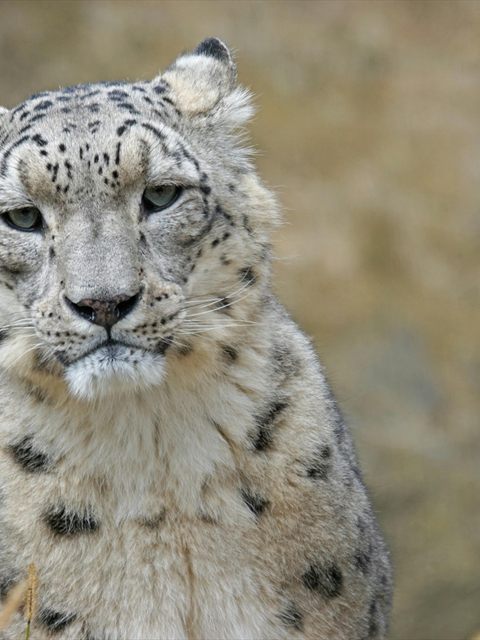
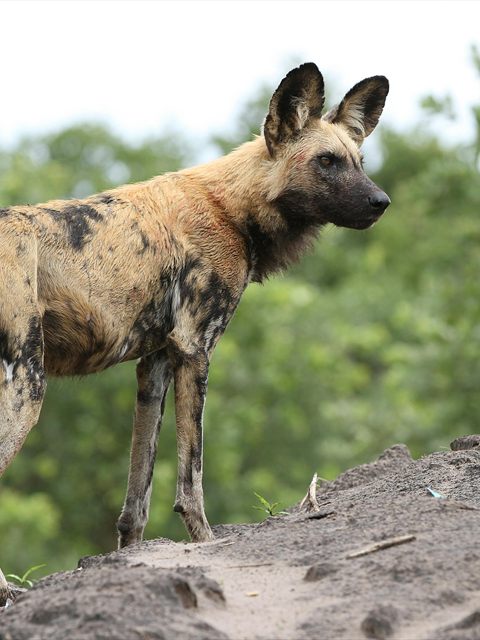
- leopards, wild dogs, and occasionally tigers
- Defense Mechanisms
- They rely on their agility and speed to escape predators, often fleeing to steep, rocky areas where they can evade capture.
- Compatible Animals
- none
- Found in Zoos
- Uncommon