


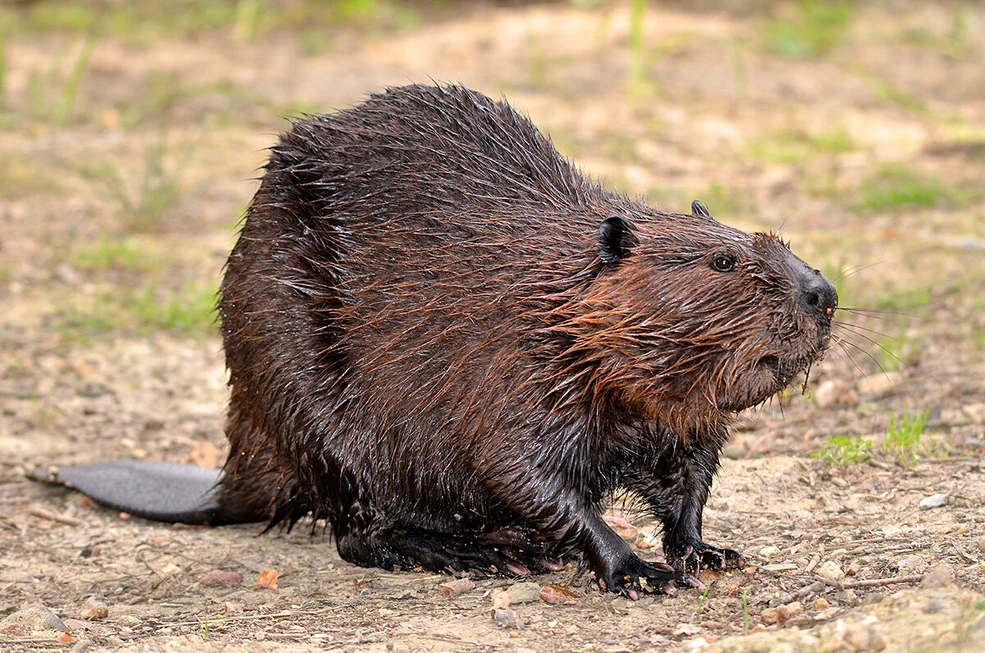
NORTH AMERICAN BEAVER
DESCRIPTION
Also called the American Beaver, the North American Beaver is a large, semi-aquatic rodent known for its distinctive flat tail and webbed feet. They have a robust body covered in dense, waterproof fur that ranges from brown to reddish-brown, which helps them stay warm in cold water. North American Beavers are known for their remarkable engineering skills, building dams and lodges that create wetland habitats, which play a crucial role in their ecosystem by promoting biodiversity and water management.
FUN FACTS
- North American Beavers are known as nature's engineers due to their ability to alter landscapes by building dams that create wetlands
- These wetlands provide critical habitats for many other species and help in flood control and water purification
- | Beavers have a unique adaptation in their teeth; their incisors are self-sharpening and continue to grow throughout their lives, allowing them to gnaw through tough wood effectively
- Their strong jaws and powerful muscles enable them to fell large trees, which they use for food and building materials
QUICK INFO
Lifespan10-12 years in the wild, up to 20 years in captivi
Average Weight16-30 kg
Average Length0.9-1.2 m
Diet TypeHerbivore
Social StructureThey live in family groups, usually consisting of a monogamous pair and their young, which may stay with the parents for up to two years.
Activity PatternNocturnal
Breeding SeasonWinter (December-February)
- Habitat
- North American Beavers inhabit freshwater ecosystems, including rivers, streams, ponds, and lakes. They prefer areas with abundant vegetation and suitable building materials for their dams and lodges.
- Biomes
- Freshwater, Temperate Forest
- Native Range
- The native range of the North American Beaver extends across most of North America, from Canada to the northern parts of Mexico.
- Continent
- North America
- Countries
- United States, Canada, Mexico
- Diet
- North American Beavers primarily eat the bark, leaves, and twigs of trees and shrubs, as well as aquatic plants. They are known to fell trees to access their preferred food sources.
- Diet Type
- Herbivore
- Favorite Food
- Willow, Aspen, Birch
- Social Structure
- They live in family groups, usually consisting of a monogamous pair and their young, which may stay with the parents for up to two years.
- Activity Pattern
- Nocturnal
- Group Size
- 3-8
- Territorial
- 1
 LC
LC
 LC
LC
 LC
LC
16-30 kg
Weight
0.9-1.2 m
Length
- Coloration
- Brown to reddish-brown fur with a lighter underbelly.
- Sexual Dimorphism
- Males and females are similar in size and appearance.
- Lifespan
- 10-12 years in the wild, up to 20 years in captivi
- Gestation Period
- 105-107 days
- Offspring per Birth
- 1-6
- Sexual Maturity
- 2-3 years
- Breeding Season
- Winter (December-February)
LC
Least Concern
IUCN Red List Status
- Population Status
- The North American Beaver population is currently stable and widespread across its range.
- Wild Population Estimate
- 6 million
- Population Trend
- Stable
- Endangered
- 0
- Threats
- Main threats to North American Beavers include habitat destruction due to urban development and agriculture, as well as trapping for their fur. However, they are generally resilient and have adapted well to human-altered landscapes.
- Predators
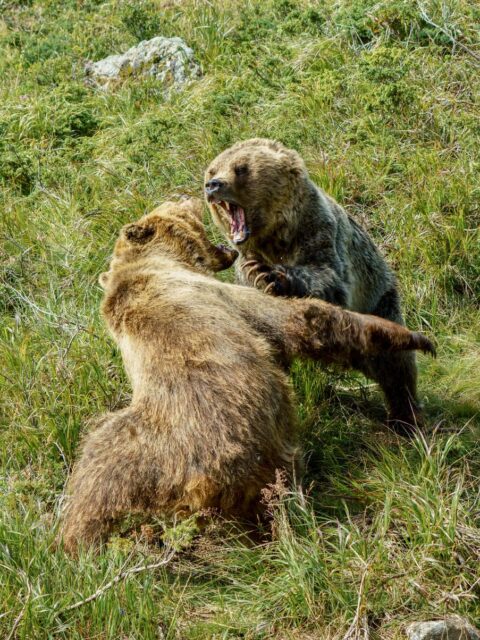
- Wolves, Coyotes, Bears, Lynxes, Eagles
- Defense Mechanisms
- North American Beavers use their strong teeth to fell trees and create dams, which also serve as a defense mechanism by creating deep water for escape from predators.
- Compatible Animals
- None
- Found in Zoos
- Common