


NORTH AMERICAN PORCUPINE
Erethizon dorsatum
DESCRIPTION
The North American Porcupine (Erethizon dorsatum) is a large rodent known for its distinctive coat of quills, which serve as a primary defense mechanism against predators. These quills are modified hairs that can easily detach when a predator comes into contact with them, causing pain and injury. In addition to their quills, porcupines have a stocky body, short legs, and a bushy tail, making them easily recognizable in their natural habitat.
FUN FACTS
- Porcupines are excellent climbers and spend a significant amount of time in trees, where they can find food and avoid ground predators
- They have a unique way of communicating with each other through a series of vocalizations, including grunts and whines, especially during the mating season.| Porcupines have a special adaptation in their digestive system that allows them to break down tough plant materials, including cellulose, which is found in the bark and leaves they consume
- This adaptation is crucial for their survival in forested habitats where such food sources are abundant
QUICK INFO
Lifespan7-10 years in the wild, up to 15 years in captivit
Average Weight5-27 kg
Average Length60-90 cm
Diet TypeHerbivore
Social StructureSolitary, with occasional pairings during breeding season.
Activity PatternNocturnal
Breeding SeasonLate summer to early fall
- Habitat
- These porcupines are typically found in forested areas, including coniferous and deciduous forests. They prefer habitats with abundant trees, as they rely on them for food and shelter.
- Biomes
- Temperate Forest, Boreal Forest
- Native Range
- The North American Porcupine is native to Canada and the United States, extending into parts of Mexico.
- Continent
- North America
- Countries
- Canada, United States, Mexico
- Diet
- North American Porcupines are herbivores, primarily feeding on leaves, bark, and fruits. They have a particular fondness for the inner bark of trees, which they can access by gnawing through the outer layers.
- Diet Type
- Herbivore
- Favorite Food
- Inner bark, leaves, fruits
- Social Structure
- Solitary, with occasional pairings during breeding season.
- Activity Pattern
- Nocturnal
- Group Size
- 1-2
- Territorial
- 0

 LC
LC
LC
LC
5-27 kg
Weight
60-90 cm
Length
- Coloration
- Their coloration ranges from yellowish-brown to black, often with a mix of white and black quills.
- Lifespan
- 7-10 years in the wild, up to 15 years in captivit
- Gestation Period
- 210 days
- Offspring per Birth
- 1
- Sexual Maturity
- 15-18 months
- Breeding Season
- Late summer to early fall
LC
Least Concern
IUCN Red List Status
- Population Status
- The population of North American Porcupines is generally stable, though local populations may fluctuate based on habitat availability and predation.
- Wild Population Estimate
- Unknown
- Population Trend
- Stable
- Endangered
- 0
- Threats
- Main threats include habitat loss due to deforestation and vehicle collisions. They are also hunted in some areas for their quills and meat.
- Predators
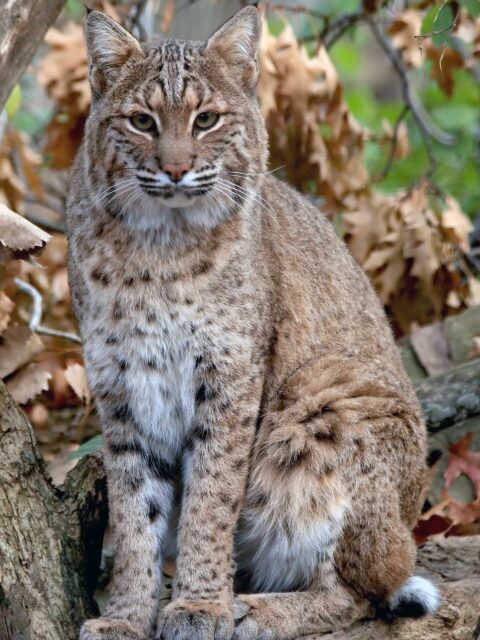
- Coyotes, bobcats, mountain lions, and great horned owls are known predators of the North American Porcupine.
- Defense Mechanisms
- Their primary defense mechanism is their quills, which can detach and embed in the skin of predators, causing pain and injury.
- Found in Zoos
- Uncommon