


NORTH AMERICAN RACCOON
Procyon lotor
DESCRIPTION
The North American raccoon is a medium-sized mammal known for its distinctive black 'mask' of fur around its eyes and its bushy, ringed tail. They have a stocky body, with a grayish-brown coat that can vary in color depending on the individual. Raccoons are highly adaptable and are often found in urban areas, where they exhibit clever problem-solving skills to access food sources.
FUN FACTS
- Raccoons are known for their remarkable dexterity and intelligence, often using their front paws to manipulate objects and open containers
- They have been observed using tools, such as sticks, to help them reach food
- | The raccoon's 'mask' is not just for show; it helps reduce glare from bright lights, allowing them to see better at night
- This adaptation is particularly useful for their nocturnal lifestyle, making them effective foragers in the dark
QUICK INFO
Lifespan2-3 years in the wild, up to 5-7 years in captivit
Average Weight5.5-26 kg
Average Length60-95 cm
Diet TypeOmnivore
Social StructureSolitary, though they may be seen in small groups when foraging or during the breeding season.
Activity PatternNocturnal
Breeding SeasonSpring (February-April)
- Habitat
- Raccoons thrive in a variety of habitats, including forests, wetlands, and urban areas. They prefer environments that provide ample food sources and shelter, such as hollow trees or attics.
- Biomes
- Temperate Forest, Urban, Wetland
- Native Range
- North America, from southern Canada to central Mexico
- Continent
- North America
- Countries
- United States, Canada, Mexico
- Diet
- Raccoons are omnivorous and have a varied diet that includes fruits, nuts, insects, and small animals. They are known for their dexterous front paws, which they use to forage for food in various environments.
- Diet Type
- Omnivore
- Favorite Food
- Fruits, insects, small vertebrates
- Social Structure
- Solitary, though they may be seen in small groups when foraging or during the breeding season.
- Activity Pattern
- Nocturnal
- Group Size
- 1-5
- Territorial
- 0

 LC
LC
 LC
LC
LC
LC
5.5-26 kg
Weight
60-95 cm
Length
- Coloration
- Grayish-brown fur with a black facial mask and ringed tail
- Sexual Dimorphism
- Males are generally larger than females.
- Lifespan
- 2-3 years in the wild, up to 5-7 years in captivit
- Gestation Period
- 63-65 days
- Offspring per Birth
- 2-5
- Sexual Maturity
- 1 year
- Breeding Season
- Spring (February-April)
LC
Least Concern
IUCN Red List Status
- Population Status
- The raccoon population is currently stable and widespread across its range.
- Wild Population Estimate
- Unknown, but estimated in millions
- Population Trend
- Stable
- Endangered
- 0
- Threats
- Main threats include habitat loss, vehicle collisions, and disease. Raccoons can also be affected by human-wildlife conflict, especially in urban areas.
- Predators
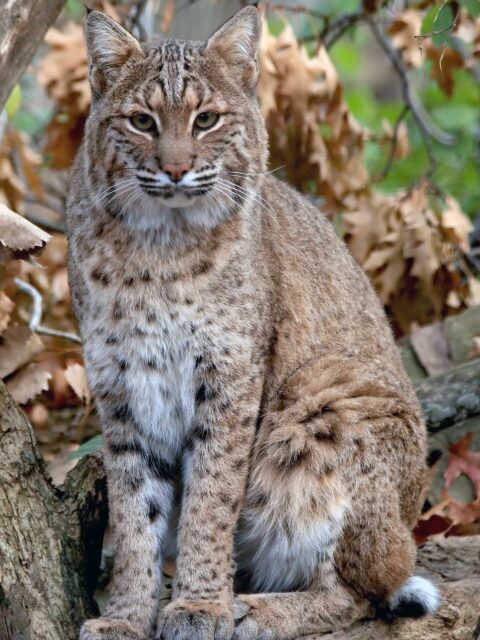
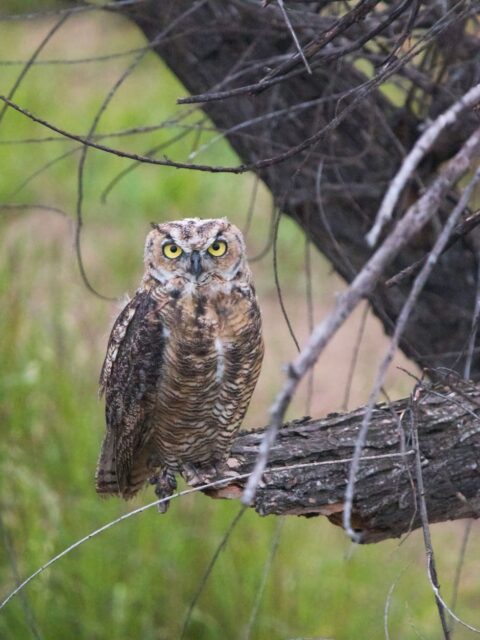
- Coyotes, bobcats, great horned owls, and domestic dogs.
- Defense Mechanisms
- Raccoons can be aggressive when threatened and may use their sharp claws and teeth to defend themselves.
- Found in Zoos
- Common