


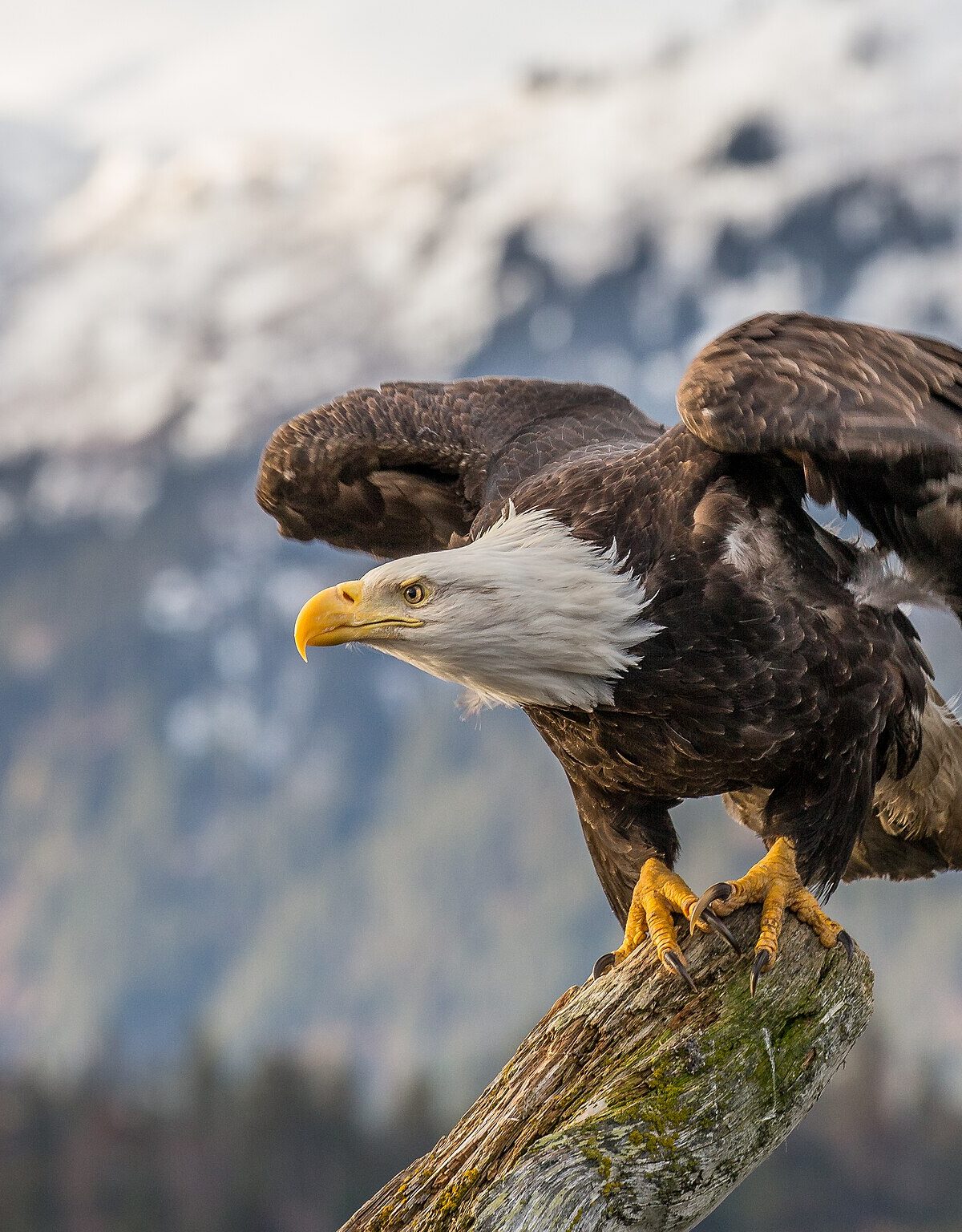
NORTHERN BALD EAGLE
Haliaeetus leucocephalus washingtoniensis
DESCRIPTION
Northern bald eagle (Haliaeetus leucocephalus washingtoniensis) is a subspecies of the bald eagle, known for its striking white head and tail contrasting with a dark brown body and wings. These majestic birds are powerful fliers, often seen soaring high above their habitats, and are known for their impressive hunting skills. They primarily inhabit areas near large bodies of open water with abundant food supply and old-growth trees for nesting.
FUN FACTS
- Bald eagles are not actually bald; their name comes from an old English word 'balde' meaning white
- They can fly at altitudes of up to 10,000 feet and have a wingspan of up to 2.3 meters, making them one of the largest birds of prey in North America.|Bald eagles have excellent eyesight, allowing them to spot prey from over a mile away
- They can dive at speeds of up to 100 miles per hour when hunting, showcasing their incredible agility and power
QUICK INFO
Lifespan20-30 years in the wild, up to 50 years in captivi
Average Weight3-6.3 kg
Average Length70-102 cm
Diet TypePiscivore
Social Structurepair, typically monogamous and often seen together during breeding season
Activity PatternDiurnal
Breeding SeasonWinter to early spring (November to March)
- Habitat
- They are typically found near lakes, rivers, and coastal regions where they can easily access their aquatic prey. Their nests are often built in tall trees or on cliffs, providing a vantage point for hunting.
- Biomes
- Temperate Forest, Wetlands, Coastal
- Native Range
- Northern bald eagles are native to North America, particularly in the northern regions of the United States and Canada.
- Continent
- North America
- Countries
- United States, Canada
- Diet
- Northern bald eagles primarily feed on fish, but they also scavenge on carrion and may hunt small mammals or birds when fish is scarce.
- Diet Type
- Piscivore
- Favorite Food
- fish
- Social Structure
- pair, typically monogamous and often seen together during breeding season
- Activity Pattern
- Diurnal
- Group Size
- 1-2
- Territorial
- 1
 LC
LC
 VU
VU
3-6.3 kg
Weight
70-102 cm
Length
- Coloration
- dark brown body with a white head and tail
- Sexual Dimorphism
- females are generally larger than males
- Lifespan
- 20-30 years in the wild, up to 50 years in captivi
- Offspring per Birth
- 1-3
- Sexual Maturity
- 4-5 years
- Breeding Season
- Winter to early spring (November to March)
LC
Least Concern
IUCN Red List Status
- Population Status
- The population of Northern bald eagles has recovered significantly since the banning of DDT and other harmful pesticides.
- Wild Population Estimate
- approximately 300,000
- Population Trend
- Increasing
- Endangered
- 0
- Threats
- Main threats include habitat destruction, lead poisoning from ingesting spent lead ammunition, and collisions with power lines. Despite these threats, conservation efforts have led to a significant recovery in their population.
- Conservation Program
- Bald and Golden Eagle Protection Act, various state and federal conservation programs
- Predators
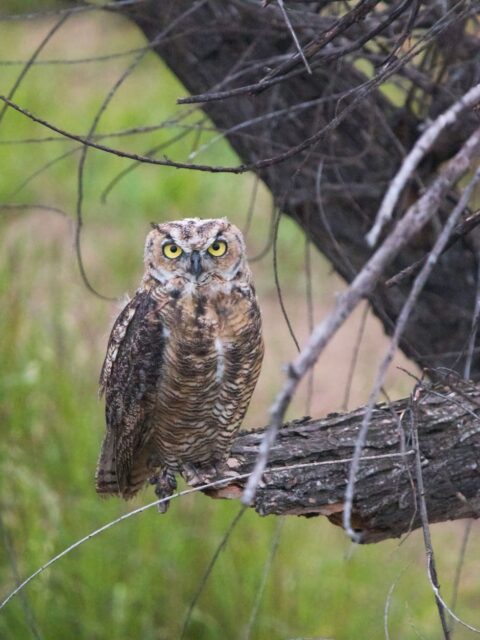
- great horned owls, other large birds of prey, and occasionally humans
- Defense Mechanisms
- They use their size and strength to defend their nests and will aggressively chase away intruders.
- Found in Zoos
- Common