


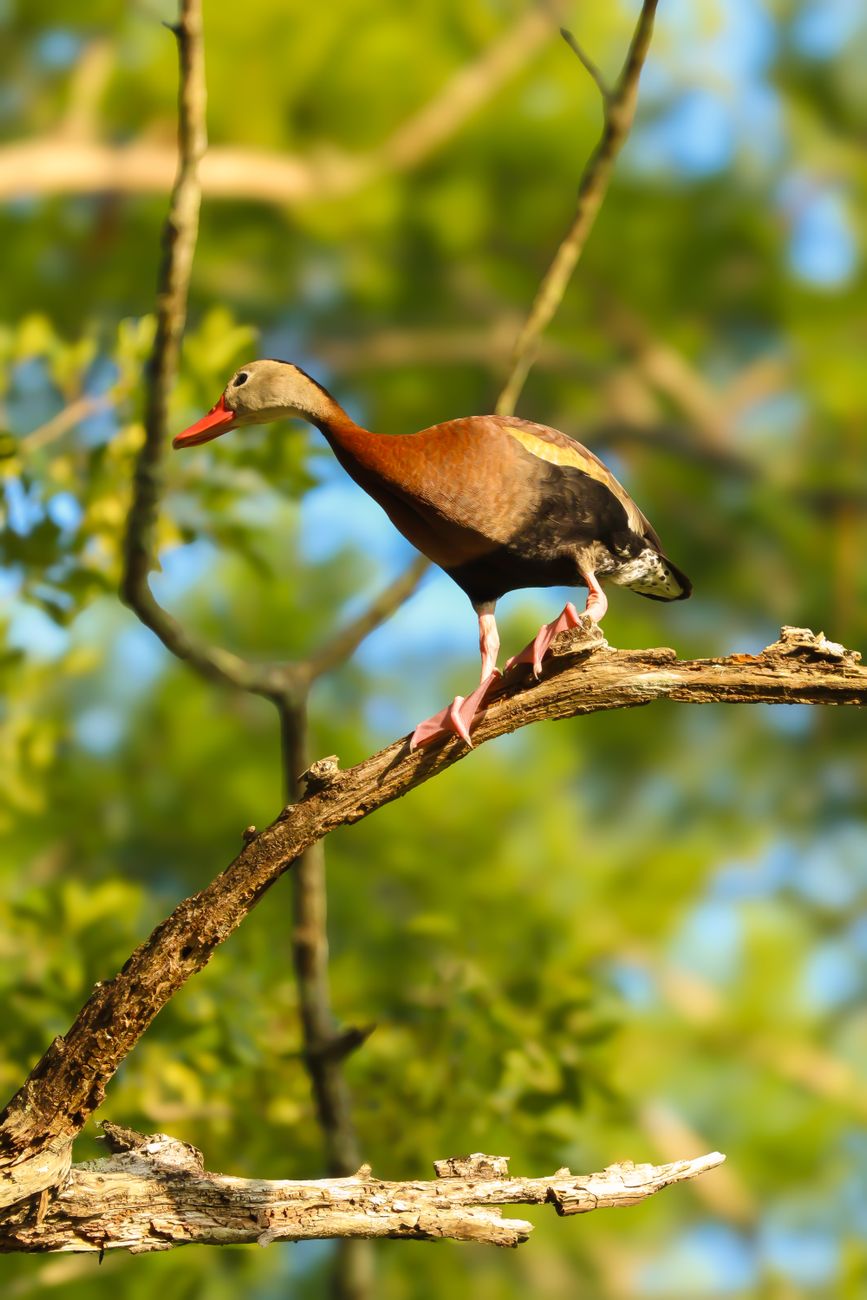
NORTHERN BLACK-BELLIED WHISTLING DUCK
Dendrocygna fulva
DESCRIPTION
Northern Black-bellied Whistling Duck (Dendrocygna fulva) is commonly known as the Black-bellied Whistling Duck and is characterized by its striking black belly and bright chestnut-colored body. This species is social and often seen in groups, exhibiting a unique whistling call that gives it its name. They are primarily found in wetlands and are known for their ability to perch in trees, which is unusual for ducks.
FUN FACTS
- Northern Black-bellied Whistling Ducks are unique among ducks for their ability to perch in trees, which they do to escape predators and find nesting sites
- They are also known for their strong social bonds, often forming lifelong pair bonds and raising their young together.| These ducks are highly vocal and communicate with a variety of whistles, which can be heard from a distance
- Their distinctive calls are not only used for communication but also play a role in maintaining group cohesion
QUICK INFO
Lifespan10-15 years in the wild, up to 20 years in captivi
Average Weight0.8-1.2 kg
Average Length50-60 cm
Diet TypeHerbivore
Social StructureThey are typically found in groups, often in pairs or small family units.
Activity PatternDiurnal
Breeding SeasonSpring to early summer
- Habitat
- Northern Black-bellied Whistling Ducks inhabit freshwater wetlands, marshes, and rice fields. They prefer areas with abundant vegetation for foraging and nesting.
- Biomes
- Wetlands, Grasslands
- Native Range
- This species is native to parts of North America, Central America, and northern South America.
- Continent
- North America, Central America, South America
- Countries
- United States, Mexico, Belize, Guatemala, Honduras, Nicaragua, Costa Rica, Panama, Colombia, Venezuela, Brazil
- Diet
- They primarily feed on seeds, grains, and aquatic plants, foraging both on land and in water. Their diet can also include some insects and small invertebrates.
- Diet Type
- Herbivore
- Favorite Food
- seeds, grains, aquatic plants
- Social Structure
- They are typically found in groups, often in pairs or small family units.
- Activity Pattern
- Diurnal
- Group Size
- 5-30
- Territorial
- 0

 LC
LC
 VU
VU
0.8-1.2 kg
Weight
50-60 cm
Length
- Coloration
- They have a distinctive black belly, chestnut body, and white facial markings.
- Sexual Dimorphism
- Males and females are similar in appearance, but males are generally slightly larger.
- Lifespan
- 10-15 years in the wild, up to 20 years in captivi
- Offspring per Birth
- 6-12
- Sexual Maturity
- 1-2 years
- Breeding Season
- Spring to early summer
LC
Least Concern
IUCN Red List Status
- Population Status
- The population is currently stable, with some local increases noted.
- Wild Population Estimate
- 100,000-200,000
- Population Trend
- Stable
- Endangered
- 0
- Threats
- Main threats include habitat loss due to wetland drainage and agricultural expansion. They are also susceptible to hunting in some areas.
- Predators
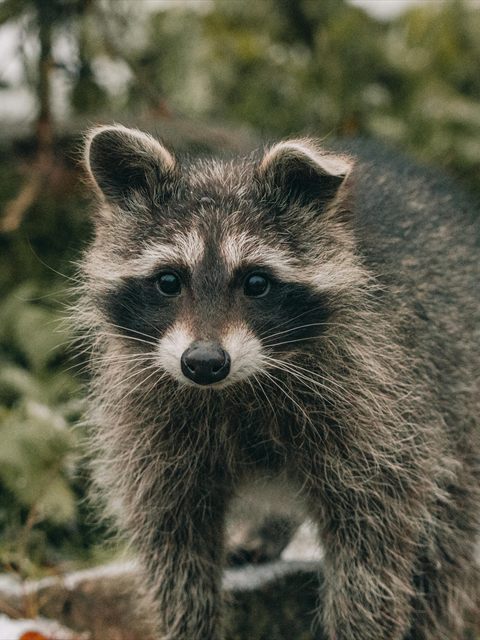
- Foxes, raccoons, birds of prey, and large fish can prey on their eggs and young.
- Defense Mechanisms
- They rely on their ability to fly and their social behavior to evade predators.
- Compatible Animals
- Other waterfowl, such as geese and swans, in managed habitats
- Found in Zoos
- Uncommon