


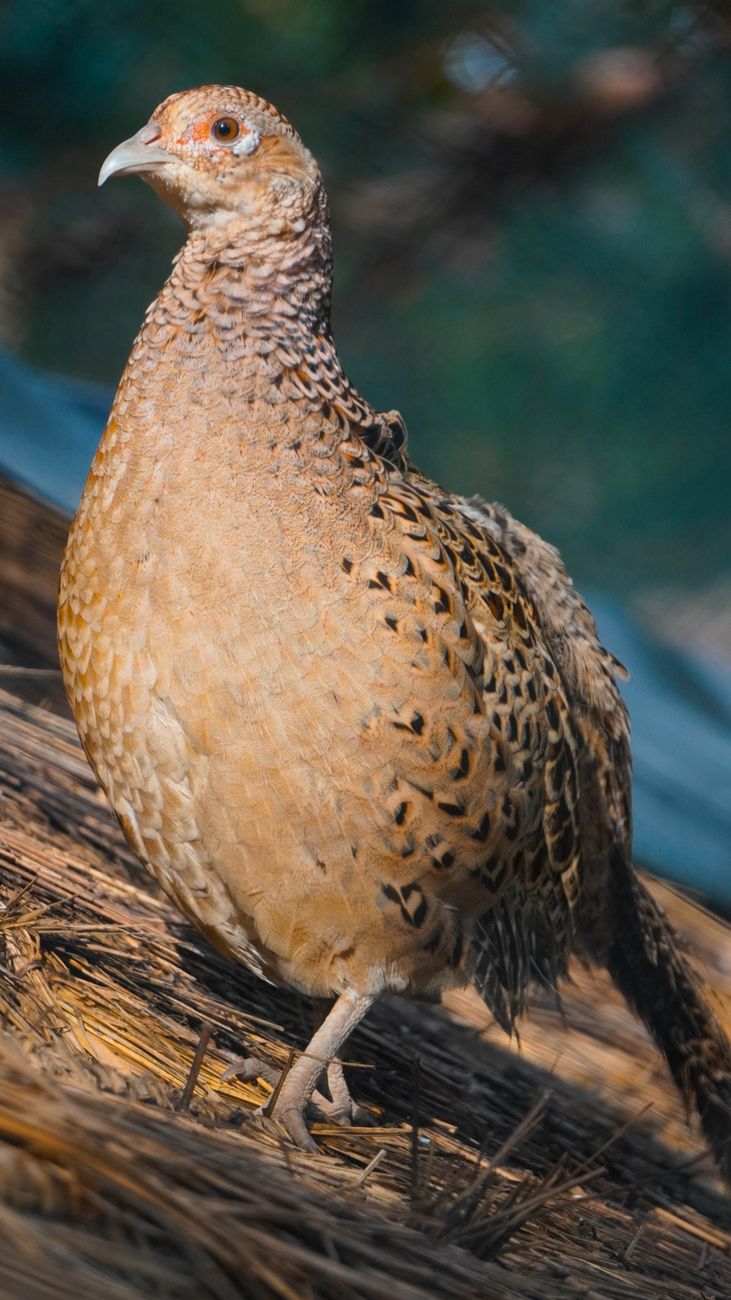
NORTHERN BOBWHITE
Colinus virginianus
DESCRIPTION
Northern Bobwhite (Colinus virginianus) is commonly known as Bobwhite Quail. This small, ground-dwelling bird is characterized by its plump body, short tail, and distinctive call that sounds like 'bob-white.' They exhibit a brown and white coloration, with males having a striking white throat and a black cap, while females are more subdued in color, providing camouflage in their natural habitat.
FUN FACTS
- Northern Bobwhites are known for their unique call, which is often used in hunting and birdwatching
- Their name comes from the sound they make, which resembles their name
- | These birds are also known for their strong homing instincts, often returning to their original location after being displaced
- This behavior makes them interesting subjects for studies on navigation and territory
QUICK INFO
Lifespan1-2 years in the wild, up to 5 years in captivity
Average Weight120-200 g
Average Length25-30 cm
Diet TypeOmnivore
Social Structuregroup — they typically form coveys of 5-30 individuals for foraging and protection.
Activity PatternDiurnal
Breeding SeasonSpring to early summer (April-July)
- Habitat
- Northern Bobwhites inhabit open grasslands, fields, and shrubby areas. They prefer habitats with a mix of cover and open ground for foraging.
- Biomes
- Grassland, Temperate Forest
- Native Range
- The native range of Northern Bobwhite extends across the eastern United States, parts of Mexico, and into southern Canada.
- Continent
- North America
- Countries
- United States, Mexico, Canada
- Diet
- Northern Bobwhites primarily feed on seeds, grains, and insects. They forage on the ground, often in small groups, searching for food among grasses and shrubs.
- Diet Type
- Omnivore
- Favorite Food
- seeds, grains, insects
- Social Structure
- group — they typically form coveys of 5-30 individuals for foraging and protection.
- Activity Pattern
- Diurnal
- Group Size
- 5-30
- Territorial
- 0
 CR
CR
 LC
LC
 LC
LC
 LC
LC
120-200 g
Weight
25-30 cm
Length
- Coloration
- brown and white with a distinctive black and white facial pattern in males
- Sexual Dimorphism
- males are more brightly colored than females
- Lifespan
- 1-2 years in the wild, up to 5 years in captivity
- Offspring per Birth
- 10-20 eggs per clutch
- Sexual Maturity
- 6-7 months
- Breeding Season
- Spring to early summer (April-July)
LC
Least Concern
IUCN Red List Status
- Population Status
- The population of Northern Bobwhite has been declining in many areas due to habitat loss.
- Wild Population Estimate
- 1 million to 5 million
- Population Trend
- Decreasing
- Endangered
- 0
- Threats
- Main threats include habitat destruction due to agricultural expansion and urban development. Additionally, predation and hunting pressure can impact local populations.
- Predators
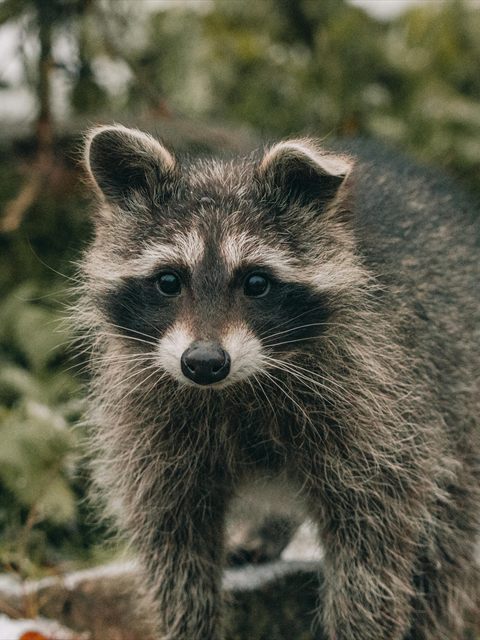
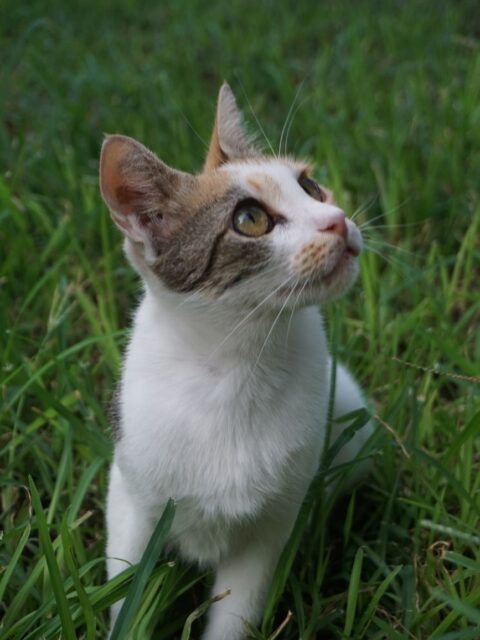
- hawks, foxes, raccoons, snakes, and domestic cats
- Defense Mechanisms
- They rely on camouflage and their ability to freeze in place to avoid detection by predators.
- Found in Zoos
- Uncommon