


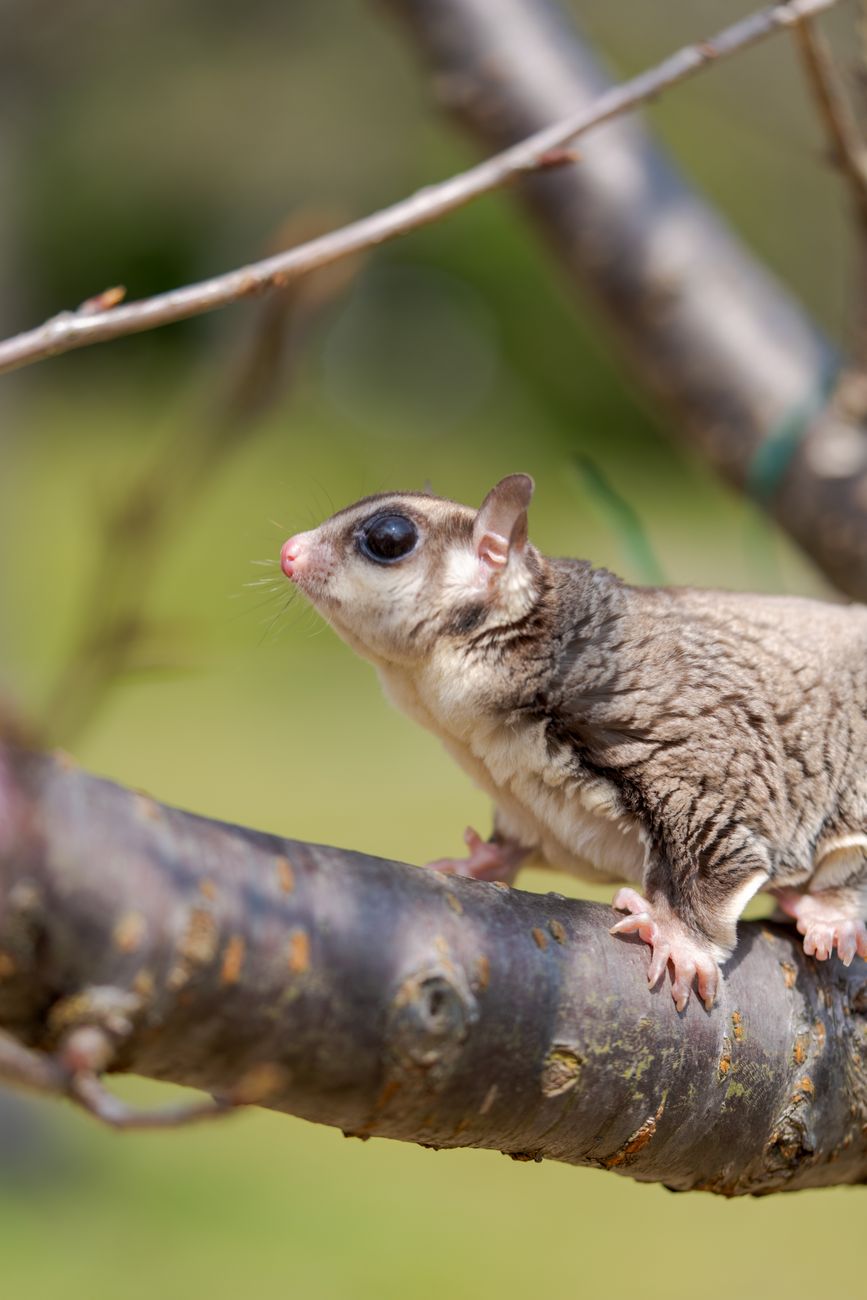
NORTHERN FLYING SQUIRREL
DESCRIPTION
Also called the Flying Squirrel, the Northern Flying Squirrel is a small, nocturnal rodent known for its ability to glide through the air. It has a distinctive patagium, a membrane that stretches from its wrists to its ankles, allowing it to glide between trees in its forest habitat. This species is primarily found in mature forests, where it plays a crucial role in the ecosystem by aiding in seed dispersal and providing food for various predators.
FUN FACTS
- Northern Flying Squirrels can glide over distances of up to 150 feet, using their large flaps of skin to steer and control their descent
- They are also known to communicate with each other through a variety of vocalizations, including chirps and barks, especially during the breeding season.| These squirrels have a unique adaptation that allows them to survive in colder climates; they can enter a state of torpor during extremely cold nights, reducing their metabolic rate and conserving energy until temperatures rise
QUICK INFO
Lifespan5-10 years in the wild, up to 15 in captivity
Average Weight150-250 g
Average Length24-30 cm
Diet TypeHerbivore
Social Structuresolitary, though they may form temporary pairs during breeding
Activity PatternNocturnal
Breeding SeasonLate winter to early spring
- Habitat
- Northern Flying Squirrels inhabit mature, mixed forests with a dense canopy. They prefer areas with abundant tree cover, which provides both food and nesting sites.
- Biomes
- Temperate Forest
- Native Range
- The Northern Flying Squirrel is native to the northeastern United States and parts of Canada.
- Continent
- North America
- Countries
- United States, Canada
- Diet
- The Northern Flying Squirrel primarily feeds on fruits, nuts, and fungi, with a particular preference for tree sap. Its diet varies seasonally, reflecting the availability of food sources.
- Diet Type
- Herbivore
- Favorite Food
- Nuts, fruits, fungi
- Social Structure
- solitary, though they may form temporary pairs during breeding
- Activity Pattern
- Nocturnal
- Group Size
- 1-2
- Territorial
- 0
 LC
LC
 LC
LC
 LC
LC
 LC
LC
150-250 g
Weight
24-30 cm
Length
- Coloration
- Grayish-brown fur with a lighter underbelly
- Lifespan
- 5-10 years in the wild, up to 15 in captivity
- Gestation Period
- 40-45 days
- Offspring per Birth
- 2-4
- Sexual Maturity
- 1 year
- Breeding Season
- Late winter to early spring
LC
Least Concern
IUCN Red List Status
- Population Status
- The population is currently stable, but habitat loss poses a potential threat.
- Wild Population Estimate
- Unknown
- Population Trend
- Stable
- Endangered
- 0
- Threats
- Main threats include habitat destruction due to logging and urban development. Additionally, predation by larger mammals and birds of prey can impact local populations.
- Predators
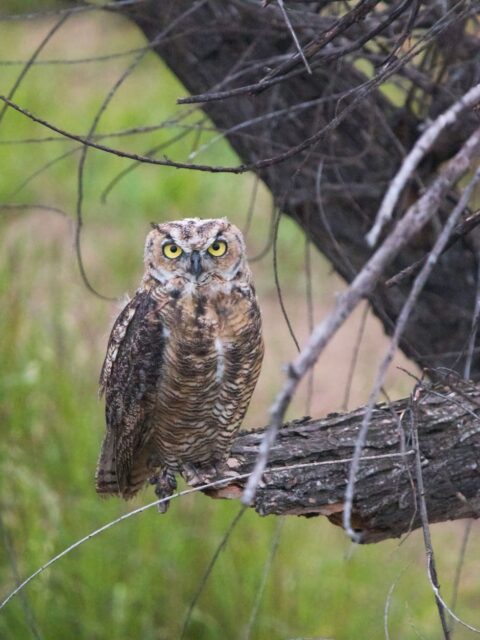
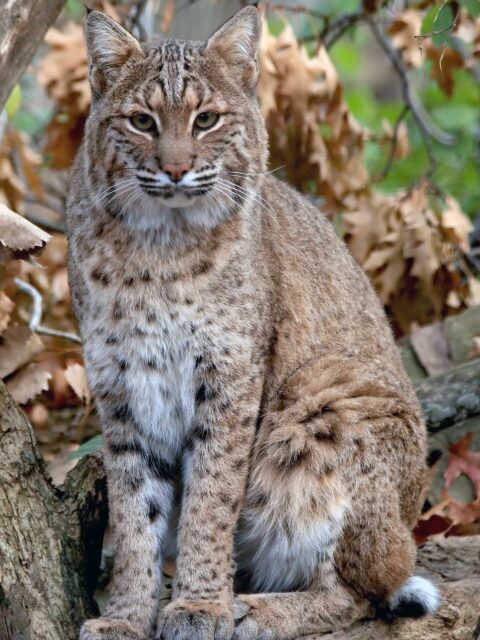
- Great Horned Owl, Red-tailed Hawk, Bobcat, Fisher
- Defense Mechanisms
- They rely on their gliding ability to escape predators and can also use their agility to navigate through trees quickly.
- Found in Zoos
- Uncommon