


NORTHERN MEALY AMAZON
Amazona guatemalae
DESCRIPTION
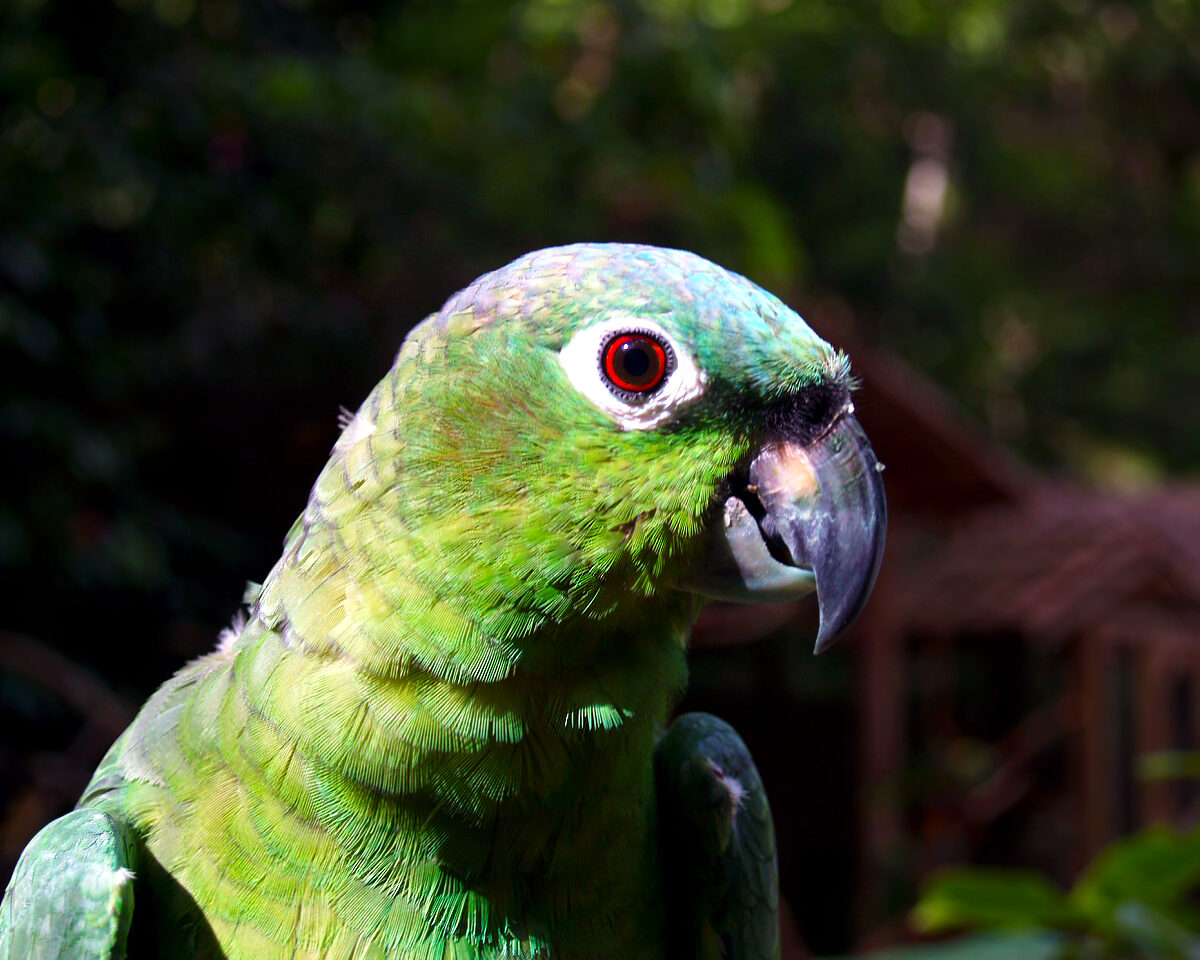
Northern Mealy Amazon (Amazona guatemalae) is commonly known as the Guatemalan Mealy Parrot and is characterized by its vibrant green plumage, which is often accented with blue and yellow on the wings and forehead. This medium to large parrot is known for its strong, curved beak and a distinctive, loud call that can be heard from a distance. In the wild, they are often found in pairs or small groups, showcasing their social nature and preference for living in forested areas.
FUN FACTS
- Northern Mealy Amazons are known for their impressive vocal abilities, often mimicking human speech and other sounds they hear in their environment
- They are also highly social birds, forming strong bonds with their mates and engaging in playful behaviors that can be entertaining to observe.| These parrots have a unique way of foraging for food, often hanging upside down to reach fruits and seeds that are otherwise inaccessible
- Their intelligence and adaptability make them fascinating subjects for avian studies and conservation efforts
QUICK INFO
Lifespan20-30 years in captivity
Average Weight300-400 g
Average Length30-35 cm
Diet TypeHerbivore
Social StructureThey are typically found in pairs or small groups, showcasing a social structure that allows for interaction and communication among individuals.
Activity PatternDiurnal
Breeding SeasonSpring (March-May)
- Habitat
- Northern Mealy Amazons inhabit tropical and subtropical forests, often favoring areas with abundant fruiting trees. They are typically found in lowland forests and can also adapt to secondary growth areas.
- Biomes
- Tropical Rainforest, Subtropical Forest
- Native Range
- This species is native to Central America, specifically found in regions of Guatemala, Belize, and parts of Mexico.
- Continent
- North America, Central America
- Countries
- Guatemala, Belize, Mexico
- Diet
- They primarily feed on fruits, seeds, and nuts, which they forage for in the canopy of trees.
- Diet Type
- Herbivore
- Favorite Food
- Fruits, seeds, nuts
- Social Structure
- They are typically found in pairs or small groups, showcasing a social structure that allows for interaction and communication among individuals.
- Activity Pattern
- Diurnal
- Group Size
- 2-10
- Territorial
- 0
300-400 g
Weight
30-35 cm
Length
- Coloration
- Predominantly green with blue and yellow accents on the wings and forehead.
- Lifespan
- 20-30 years in captivity
- Offspring per Birth
- 2-4
- Sexual Maturity
- 3-4 years
- Breeding Season
- Spring (March-May)
LC
Least Concern
IUCN Red List Status
- Population Status
- The population is currently stable, but habitat loss poses a potential threat.
- Wild Population Estimate
- Unknown
- Population Trend
- Stable
- Endangered
- 0
- Threats
- Main threats include habitat destruction due to deforestation and illegal trapping for the pet trade. These factors can significantly impact their populations in the wild.
- Predators
- Natural predators include birds of prey and larger snakes, which may target young or vulnerable individuals.
- Defense Mechanisms
- They often rely on their ability to fly and their vocalizations to warn others of danger.
- Compatible Animals
- Other parrot species, small mammals
- Found in Zoos
- Uncommon