


NORTHERN SHOVELER
Anas clypeata
DESCRIPTION
The Northern Shoveler is a distinctive duck known for its unique spatula-shaped bill, which it uses to filter food from the water. Males are particularly striking, featuring a green head, white chest, and chestnut-colored sides, while females are mottled brown for camouflage. This species is often found in wetlands and shallow lakes, where it engages in dabbling behavior, tipping forward to reach underwater vegetation.
FUN FACTS
- The Northern Shoveler's unique bill is not just for show; it allows them to efficiently filter food from the water, making them highly effective foragers
- Additionally, during courtship, males perform elaborate displays, including head bobbing and wing flapping, to attract females, showcasing their vibrant plumage and unique behaviors
QUICK INFO
Lifespan5-10 years in the wild, up to 15 in captivity
Average Weight0.7-1.2 kg
Average Length45-50 cm
Diet TypeOmnivore
Social StructureThey are typically found in pairs or small groups, especially during the breeding season.
Activity PatternDiurnal
Breeding SeasonSpring (March-May)
- Habitat
- Northern Shovelers inhabit freshwater marshes, ponds, and shallow lakes, often preferring areas with abundant vegetation. They are also found in estuaries and coastal wetlands during migration.
- Biomes
- Wetlands, Freshwater, Coastal
- Native Range
- The Northern Shoveler breeds across North America, Europe, and Asia, migrating to warmer regions in winter.
- Continent
- North America, Europe, Asia
- Countries
- United States, Canada, Mexico, various European and Asian countries
- Diet
- The Northern Shoveler primarily feeds on aquatic plants, seeds, and small invertebrates. It uses its specialized bill to sift through mud and water to find food.
- Diet Type
- Omnivore
- Favorite Food
- aquatic plants, seeds, small invertebrates
- Social Structure
- They are typically found in pairs or small groups, especially during the breeding season.
- Activity Pattern
- Diurnal
- Group Size
- 5-50
- Territorial
- 0

 LC
LC
 VU
VU
0.7-1.2 kg
Weight
45-50 cm
Length
- Coloration
- Males have a striking green head, white chest, and chestnut sides; females are mottled brown.
- Sexual Dimorphism
- Males and females have distinctly different plumage.
- Lifespan
- 5-10 years in the wild, up to 15 in captivity
- Offspring per Birth
- 6-12
- Sexual Maturity
- 1 year
- Breeding Season
- Spring (March-May)
LC
Least Concern
IUCN Red List Status
- Population Status
- The Northern Shoveler population is generally stable, though local declines may occur due to habitat loss.
- Wild Population Estimate
- 1,000,000-2,000,000
- Population Trend
- Stable
- Endangered
- 0
- Threats
- Main threats include habitat destruction due to agriculture and urban development, as well as pollution in wetland areas. Climate change also poses a long-term risk to their breeding habitats.
- Predators
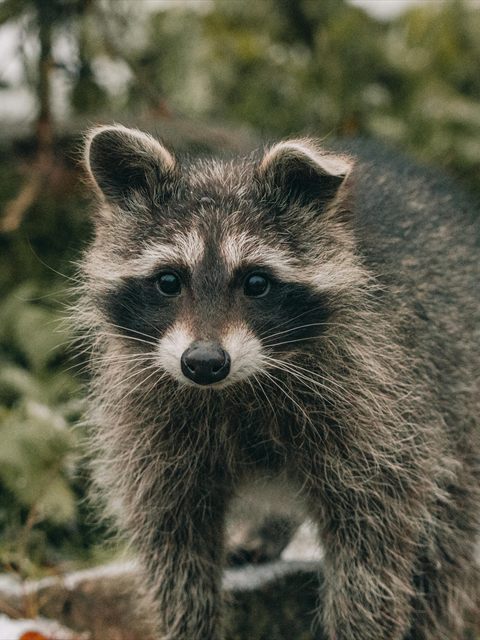
- Foxes, raccoons, birds of prey, and large fish can prey on Northern Shoveler eggs and ducklings. Adult ducks may also fall victim to larger predators.
- Defense Mechanisms
- They rely on their ability to quickly take flight and their camouflage to avoid predators.
- Compatible Animals
- American Black Duck, Gadwall, Mallard
- Found in Zoos
- Uncommon