


NUTRIA
Myocastor coypus
DESCRIPTION
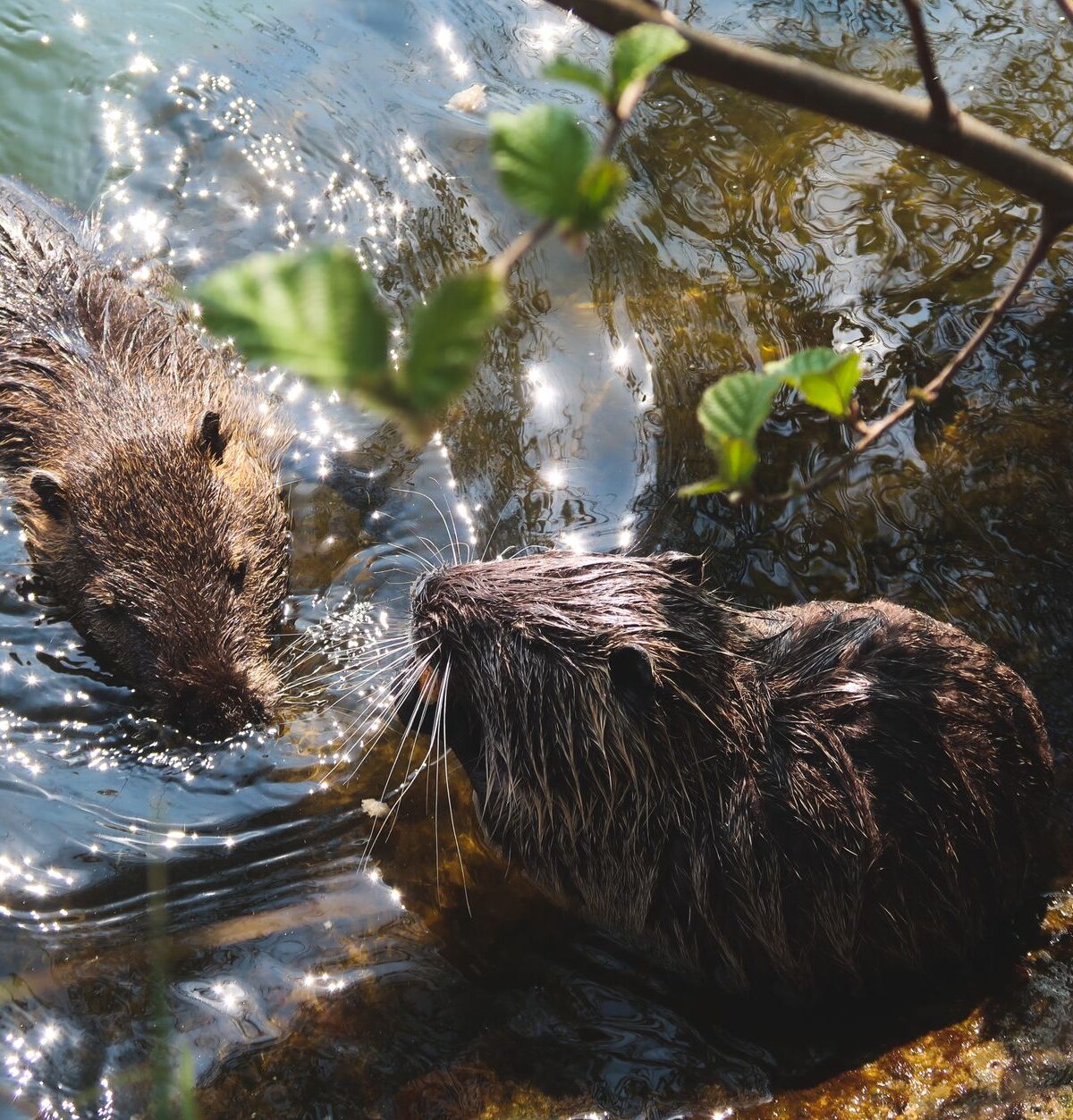
Nutria (Myocastor coypus) is commonly known as Coypu and River Rat. This semi-aquatic rodent has a robust body, webbed hind feet, and a long, round tail, which aids in swimming. They are typically brown or grayish in color, with a lighter underbelly, and can be found in wetlands, marshes, and along riverbanks, where they are known for their burrowing behavior and social structures.
FUN FACTS
- Nutria are known for their impressive swimming abilities, using their webbed feet to propel themselves through water at speeds of up to 5 mph
- They can also hold their breath underwater for several minutes while foraging for food
- | Despite being considered pests in some regions due to their feeding habits, Nutria are also farmed for their fur, which is used in various clothing and accessory products
- Their fur is water-resistant, making it particularly valuable in fashion
QUICK INFO
Lifespan5-10 years in the wild, up to 12 years in captivit
Average Weight5-10 kg
Average Length40-60 cm
Diet TypeHerbivore
Social StructureGroup, often found in family units or larger social groups.
Activity PatternNocturnal
Breeding SeasonYear-round in warm climates, with peaks in spring and summer.
- Habitat
- Nutria thrive in wetland habitats, including marshes, swamps, and riverbanks. They create burrows in the banks and are often found in areas with abundant vegetation.
- Biomes
- Wetlands, Freshwater
- Native Range
- Originally native to South America, Nutria have been introduced to various regions around the world.
- Continent
- South America, North America, Europe, Asia
- Countries
- Argentina, Chile, United States, Italy, France
- Diet
- Nutria primarily feeds on aquatic plants, grasses, and roots, making them herbivorous. They are known to consume large quantities of vegetation, which can impact their habitats significantly.
- Diet Type
- Herbivore
- Favorite Food
- Aquatic plants, grasses
- Social Structure
- Group, often found in family units or larger social groups.
- Activity Pattern
- Nocturnal
- Group Size
- 5-20
- Territorial
- 0

 VU
VU
5-10 kg
Weight
40-60 cm
Length
- Coloration
- Brown or grayish with a lighter underbelly
- Sexual Dimorphism
- Males are generally larger than females.
- Lifespan
- 5-10 years in the wild, up to 12 years in captivit
- Gestation Period
- 130 days
- Offspring per Birth
- 4-6
- Sexual Maturity
- 6 months
- Breeding Season
- Year-round in warm climates, with peaks in spring and summer.
LC
Least Concern
IUCN Red List Status
- Population Status
- Nutria populations can be quite large in suitable habitats, but they are also subject to control measures in some areas due to their impact on ecosystems.
- Wild Population Estimate
- Unknown, but populations can be significant in certain regions.
- Population Trend
- Stable
- Endangered
- 0
- Threats
- Nutria can pose a threat to local ecosystems by overgrazing aquatic vegetation. They are also hunted in some areas for their fur and to control their populations.
- Predators
- Coyotes, alligators, large birds of prey, and humans.
- Defense Mechanisms
- Nutria can escape predators by quickly diving into the water and are also known to use their strong teeth for defense if threatened.
- Found in Zoos
- Common