


OCELOT
Leopardus pardalis
DESCRIPTION
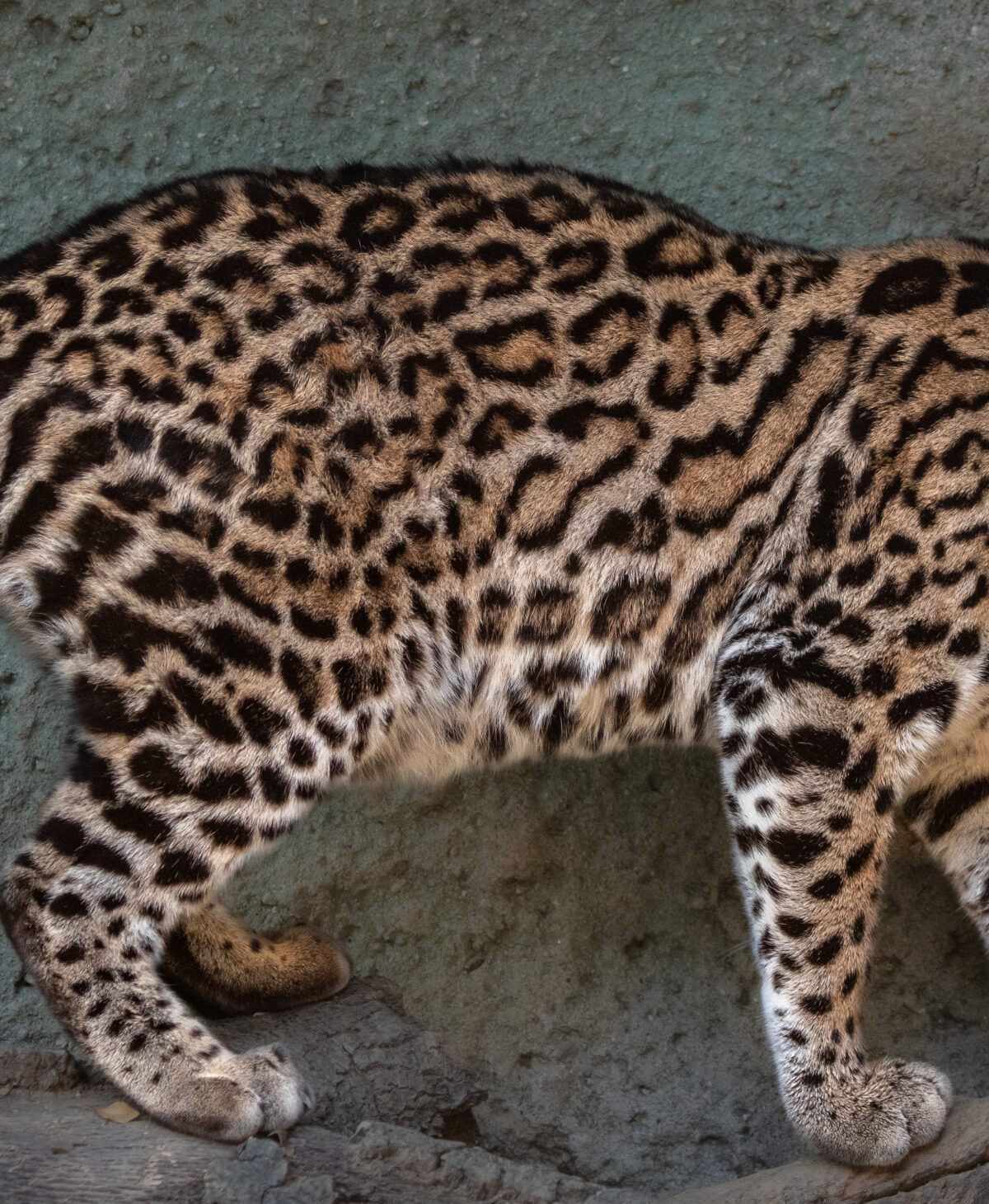
Also called the leopardus pardalis, the Ocelot is a medium-sized wild cat known for its striking coat, which features a pattern of dark spots and stripes on a tawny background. This beautiful feline is primarily nocturnal and is an adept climber, often found resting in trees during the day. Ocelots are solitary animals, marking their territory with scent markings and vocalizations, and they play a crucial role in their ecosystems as both predator and prey.
FUN FACTS
- Ocelots have a unique ability to adapt to various habitats, which has allowed them to thrive in diverse environments across the Americas
- They are also known for their playful behavior, often engaging in activities like climbing and pouncing, which helps them develop their hunting skills
- | The Ocelot's coat is not only beautiful but also serves a practical purpose; the patterns help them blend into their surroundings, making it easier for them to stalk prey and avoid detection by larger predators
QUICK INFO
Lifespan7-10 years in the wild, up to 20 years in captivit
Average Weight8-18 kg
Average Length0.75-1.2 m
Diet TypeCarnivore
Social StructureSolitary, with males and females coming together only for mating.
Activity PatternNocturnal
Breeding SeasonYear-round, with peaks depending on the region
- Habitat
- Ocelots inhabit a variety of environments, including tropical rainforests, savannas, and scrublands. They prefer areas with dense vegetation that provide cover for hunting and resting.
- Biomes
- Tropical Rainforest, Savanna, Temperate Forest
- Native Range
- Ocelots are native to the Americas, ranging from the southern United States through Central America to South America, including parts of Brazil and Argentina.
- Continent
- North America, South America
- Countries
- United States, Mexico, Brazil, Argentina, Colombia, Peru
- Diet
- Ocelots primarily feed on small to medium-sized mammals, birds, and reptiles. They are skilled hunters, using stealth and agility to catch their prey.
- Diet Type
- Carnivore
- Favorite Food
- Rodents, birds, and small mammals
- Social Structure
- Solitary, with males and females coming together only for mating.
- Activity Pattern
- Nocturnal
- Group Size
- 1
- Territorial
- 1
 VU
VU
8-18 kg
Weight
0.75-1.2 m
Length
- Coloration
- Tawny coat with black spots and stripes
- Sexual Dimorphism
- Males are generally larger than females.
- Lifespan
- 7-10 years in the wild, up to 20 years in captivit
- Gestation Period
- 79-85 days
- Offspring per Birth
- 1-4
- Sexual Maturity
- 1-2 years
- Breeding Season
- Year-round, with peaks depending on the region
NT
Near Threatened
IUCN Red List Status
- Population Status
- The Ocelot population is currently stable in some areas but declining in others due to habitat loss.
- Wild Population Estimate
- 40,000-50,000
- Population Trend
- Decreasing
- Endangered
- 1
- Threats
- Main threats to Ocelots include habitat destruction due to deforestation and urbanization, as well as poaching for their beautiful fur. These factors have led to a decline in their populations in certain regions.
- Conservation Program
- Various conservation programs are in place, including habitat protection and restoration efforts.
- Predators
- Large birds of prey, such as eagles, and larger carnivores like jaguars may prey on Ocelots, especially young ones.
- Defense Mechanisms
- Ocelots rely on their camouflage and stealth to avoid detection by predators and humans.
- Found in Zoos
- Common