


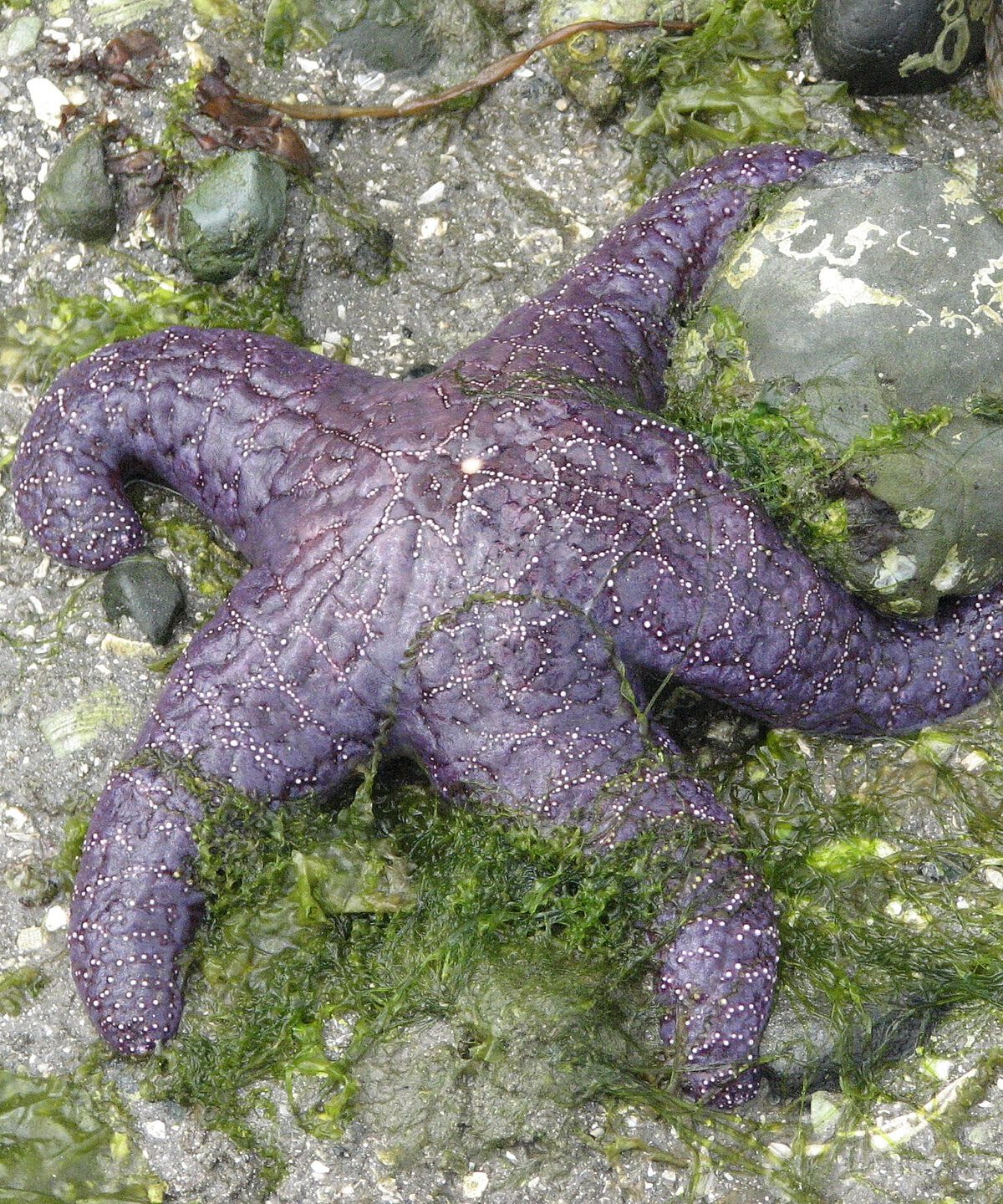
OCHRE SEA STAR
DESCRIPTION
Ochre Sea Star is commonly known for its vibrant coloration, which can range from bright orange to deep purple. This species exhibits a unique ability to regenerate lost arms, allowing it to recover from predation and injury. Found in intertidal zones, it plays a crucial role in the ecosystem as a keystone species, influencing the population dynamics of its prey and maintaining the balance of marine habitats.
FUN FACTS
- Ochre Sea Stars can regenerate lost arms, and in some cases, an entire new sea star can grow from a single severed arm if it contains part of the central disc
- They have a unique feeding mechanism where they can evert their stomachs to digest food outside their bodies, allowing them to consume prey that is larger than their mouth.|These sea stars are not just colorful; they play a vital role in their ecosystem as a keystone species, helping to control the population of bivalves and other invertebrates, which in turn affects the entire marine community
QUICK INFO
Lifespanup to 20 years in the wild
Average Weight1-2 kg
Average Length20-30 cm
Diet TypeCarnivore
Social Structuresolitary or in small groups, often found in clusters during feeding
Activity PatternNocturnal
Breeding SeasonSpring to early summer
- Habitat
- Ochre Sea Stars inhabit rocky intertidal zones and subtidal areas, often found clinging to rocks and other hard substrates. They thrive in environments with plenty of food sources and shelter from strong currents.
- Biomes
- Marine, Coastal
- Native Range
- Ochre Sea Stars are native to the Pacific coast of North America, ranging from Alaska to California.
- Continent
- North America
- Countries
- United States, Canada
- Diet
- Ochre Sea Stars primarily feed on bivalves, such as clams and mussels, as well as other invertebrates. They use their tube feet to pry open the shells of their prey and evert their stomachs to digest the food externally.
- Diet Type
- Carnivore
- Favorite Food
- bivalves, particularly clams and mussels
- Social Structure
- solitary or in small groups, often found in clusters during feeding
- Activity Pattern
- Nocturnal
- Group Size
- 1-10
- Territorial
- 0
 EN
EN
 LC
LC
1-2 kg
Weight
20-30 cm
Length
- Coloration
- vibrant orange, yellow, or purple with a rough texture
- Lifespan
- up to 20 years in the wild
- Offspring per Birth
- thousands of larvae
- Sexual Maturity
- 2-3 years
- Breeding Season
- Spring to early summer
VU
Vulnerable
IUCN Red List Status
- Population Status
- The population of Ochre Sea Stars has been affected by disease outbreaks, particularly sea star wasting syndrome, leading to significant declines in some areas.
- Wild Population Estimate
- unknown
- Population Trend
- Decreasing
- Endangered
- 1
- Threats
- Main threats include climate change, habitat loss, and disease outbreaks such as sea star wasting syndrome, which have decimated populations in certain regions. Additionally, pollution and ocean acidification pose risks to their survival.
- Predators
- Sea otters, large fish, and some species of crabs are known to prey on Ochre Sea Stars.
- Defense Mechanisms
- They can regenerate lost arms and have a tough, spiny exterior that deters some predators.
- Compatible Animals
- none
- Found in Zoos
- Uncommon