


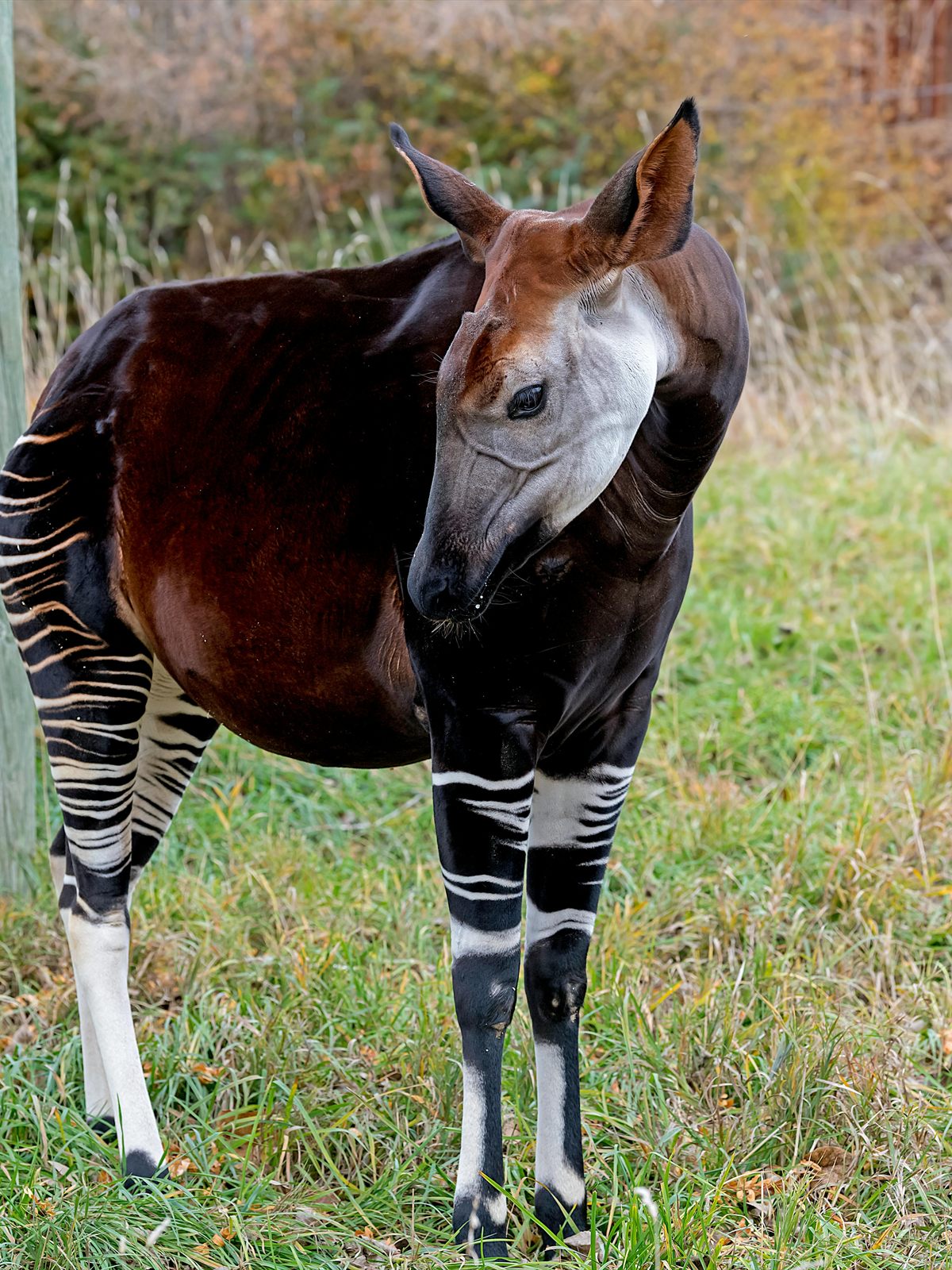
OKAPI
Okapia johnstoni
DESCRIPTION
The okapi is a unique mammal native to the dense rainforests of the Democratic Republic of the Congo. It is closely related to the giraffe and is known for its striking appearance, featuring a body similar to a horse and zebra-like stripes on its legs.
FUN FACTS
- Okapis have a long, prehensile tongue that they use to grasp leaves and branches | They were unknown to the western world until the early 20th century | The okapi is sometimes referred to as the 'forest giraffe' due to its close relation to giraffes
QUICK INFO
Lifespan20-30 years in the wild, up to 40 in captivity
Average Weight200-350 kg
Average Length2.5-3 m
Diet TypeHerbivore
Social Structuresolitary, occasionally seen in pairs
Activity PatternCrepuscular
Breeding SeasonYear-round
- Habitat
- Okapis inhabit dense tropical rainforests, where they rely on the cover of vegetation for protection. They are often found near rivers and streams within these forests.
- Biomes
- Tropical Rainforest
- Native Range
- Endemic to the Democratic Republic of the Congo
- Continent
- Africa
- Countries
- Democratic Republic of the Congo
- Diet
- Okapis are herbivores, primarily feeding on leaves, fruits, and grasses. They have a preference for the foliage of various trees and shrubs in their forest habitat.
- Diet Type
- Herbivore
- Favorite Food
- leaves, fruits, grasses
- Social Structure
- solitary, occasionally seen in pairs
- Activity Pattern
- Crepuscular
- Group Size
- 1-2
- Territorial
- 0
 VU
VU
200-350 kg
Weight
2.5-3 m
Length
1.5 m at shoulder
Height (Shoulder)
- Coloration
- dark brown body with white stripes on legs
- Sexual Dimorphism
- males have larger ossicones than females
- Lifespan
- 20-30 years in the wild, up to 40 in captivity
- Gestation Period
- 440 days
- Offspring per Birth
- 1
- Sexual Maturity
- 3-4 years
- Breeding Season
- Year-round
EN
Endangered
IUCN Red List Status
- Population Status
- The okapi population is currently declining due to habitat loss and poaching.
- Wild Population Estimate
- approximately 10,000-20,000
- Population Trend
- Decreasing
- Endangered
- 1
- Threats
- Main threats include habitat destruction due to logging and agriculture, as well as poaching for bushmeat and skin.
- Conservation Program
- Okapi Conservation Project
- Predators
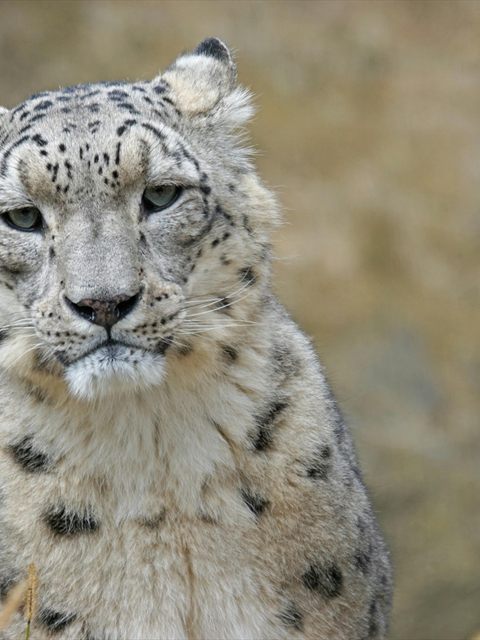
- leopards, humans
- Defense Mechanisms
- Okapis rely on their camouflage and the dense forest cover to avoid detection by predators.
- Found in Zoos
- Uncommon