


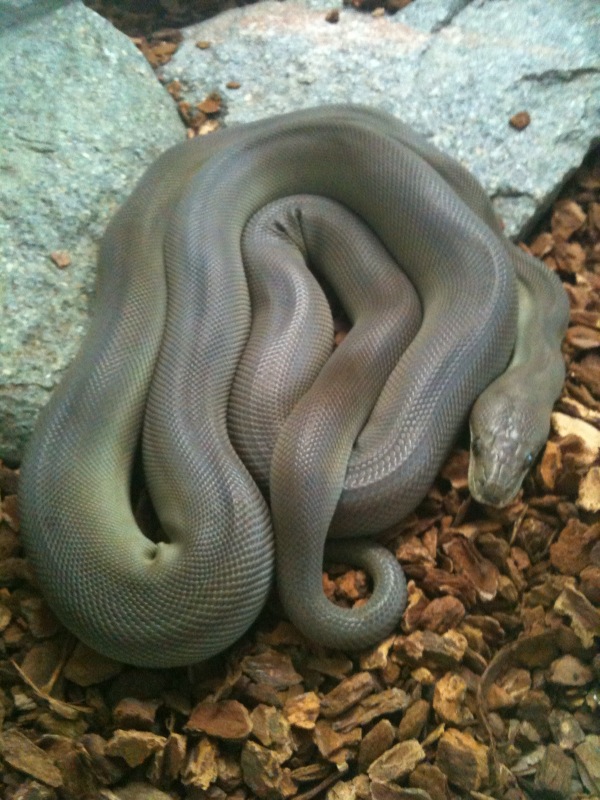
OLIVE PYTHON
Liasis olivaceus
DESCRIPTION
Olive Python (Liasis olivaceus) is a large non-venomous snake native to Australia. It is characterized by its olive-green coloration, which provides excellent camouflage in its natural habitat. This species is known for its docile nature and is often found in a variety of environments, including woodlands and grasslands, where it can be both terrestrial and arboreal.
FUN FACTS
- Olive Pythons are known for their impressive size, with some individuals reaching lengths of over 3 meters
- They are also popular in the pet trade due to their docile nature and striking appearance.|These snakes are excellent climbers and can often be found resting in trees, which helps them ambush birds and other prey from above
QUICK INFO
Lifespan15-20 years in the wild, up to 30 in captivity
Average Weight10-20 kg
Average Length2-3 m
Diet TypeCarnivore
Social Structuresolitary
Activity PatternNocturnal
Breeding SeasonSpring (September-November)
- Habitat
- Olive Pythons inhabit a range of environments, including forests, woodlands, and grasslands. They are often found near water sources, which provide both hydration and hunting opportunities.
- Biomes
- Tropical Rainforest, Savanna, Woodland
- Native Range
- The species is found throughout northern and central Australia.
- Continent
- Australia
- Countries
- Australia
- Diet
- Olive Pythons primarily feed on mammals and birds, using constriction to subdue their prey. They are opportunistic feeders and will consume whatever is available in their habitat.
- Diet Type
- Carnivore
- Favorite Food
- small mammals, birds
- Social Structure
- solitary
- Activity Pattern
- Nocturnal
- Group Size
- 1
- Territorial
- 0
 VU
VU

10-20 kg
Weight
2-3 m
Length
- Coloration
- olive-green with darker blotches
- Sexual Dimorphism
- males are generally smaller than females
- Lifespan
- 15-20 years in the wild, up to 30 in captivity
- Offspring per Birth
- 10-30
- Sexual Maturity
- 3-4 years
- Breeding Season
- Spring (September-November)
LC
Least Concern
IUCN Red List Status
- Population Status
- The population is currently stable, with no significant declines reported.
- Wild Population Estimate
- unknown
- Population Trend
- Stable
- Endangered
- 0
- Threats
- Main threats include habitat destruction and road mortality. However, the species is not currently facing significant threats to its population.
- Predators
- birds of prey, large mammals, and other snakes may prey on juvenile Olive Pythons.
- Defense Mechanisms
- Olive Pythons may use camouflage to avoid detection and can also constrict their prey as a defense mechanism.
- Found in Zoos
- Common