


OMAN WILD CAT
Felis silvestris gordoni
DESCRIPTION
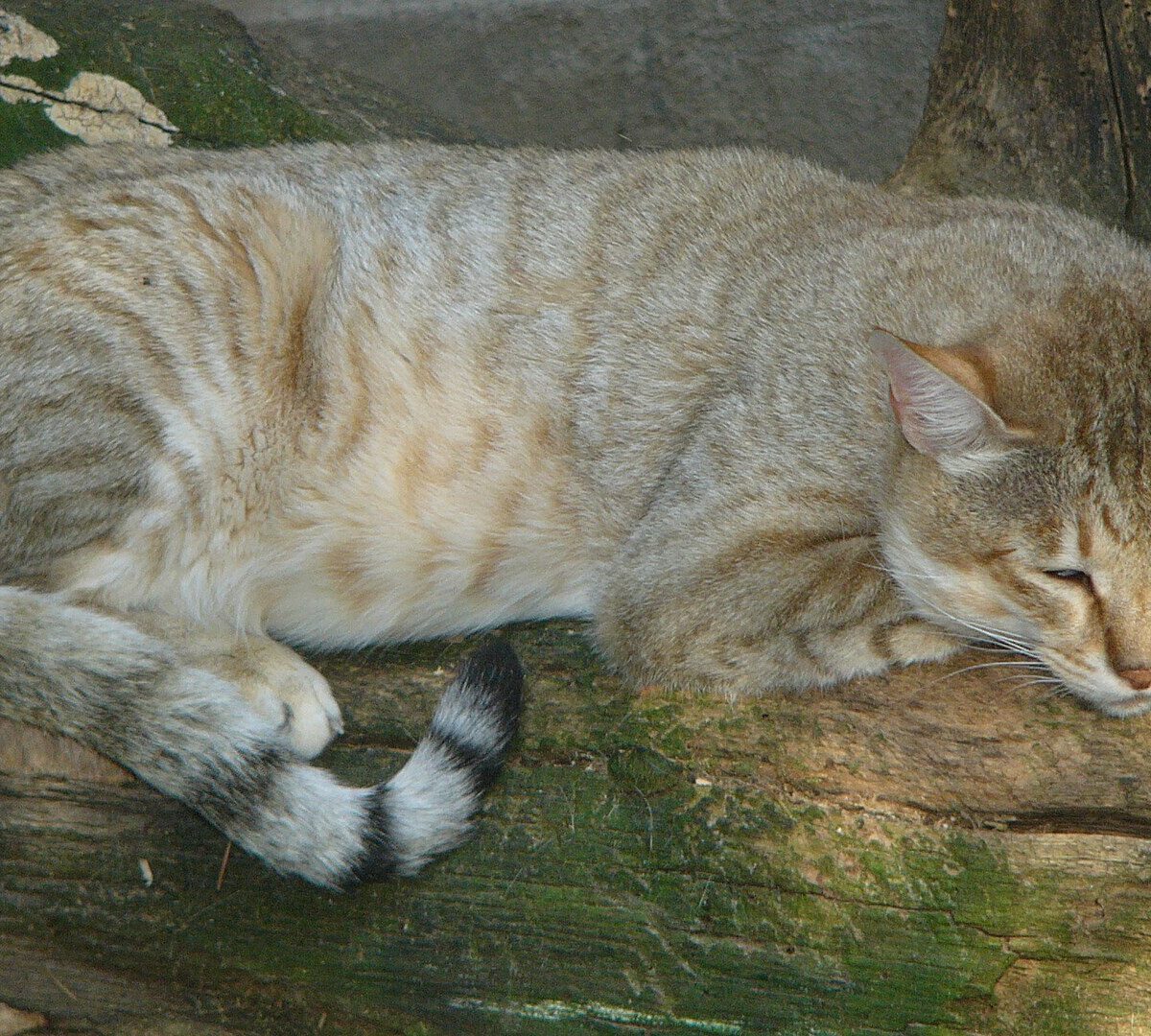
Oman wild cat (Felis silvestris gordoni), also known as Gordon's wildcat, is a subspecies of the wildcat found primarily in Oman. This small feline exhibits a sandy to grayish-brown coat with faint stripes and spots, which provides excellent camouflage in its arid habitat. It is primarily nocturnal and solitary, preferring to hunt alone in the rocky and desert environments of its range.
FUN FACTS
- Oman wild cats are known for their exceptional climbing skills, allowing them to escape predators and hunt birds in trees
- | They have adapted to survive in extreme temperatures, often seeking shelter during the hottest parts of the day and becoming active at night
QUICK INFO
Lifespan10-15 years in the wild
Average Weight3-5 kg
Average Length50-70 cm
Diet TypeCarnivore
Social Structuresolitary, typically living alone except during mating season or when a mother is raising her young
Activity PatternNocturnal
Breeding SeasonSpring (March-May)
- Habitat
- Oman wild cats inhabit rocky and arid regions, often favoring areas with sparse vegetation. They are well-adapted to the harsh desert environment, utilizing rocky outcrops for shelter.
- Biomes
- Desert, Semi-arid
- Native Range
- The native range of the Oman wild cat is limited to the Sultanate of Oman, particularly in the mountainous and desert regions.
- Continent
- Asia
- Countries
- Oman
- Diet
- The Oman wild cat primarily preys on small mammals, birds, and reptiles. It uses its keen senses to locate and ambush its prey in the wild.
- Diet Type
- Carnivore
- Favorite Food
- small mammals, birds, reptiles
- Social Structure
- solitary, typically living alone except during mating season or when a mother is raising her young
- Activity Pattern
- Nocturnal
- Group Size
- 1
- Territorial
- 1
3-5 kg
Weight
50-70 cm
Length
- Coloration
- sandy to grayish-brown with faint stripes and spots
- Sexual Dimorphism
- males are generally larger than females
- Lifespan
- 10-15 years in the wild
- Gestation Period
- 60-70 days
- Offspring per Birth
- 1-4
- Sexual Maturity
- 1-2 years
- Breeding Season
- Spring (March-May)
EN
Endangered
IUCN Red List Status
- Population Status
- The population of Oman wild cats is not well-documented, but they are considered rare due to habitat loss and hunting.
- Wild Population Estimate
- unknown
- Population Trend
- Decreasing
- Endangered
- 1
- Threats
- Main threats to the Oman wild cat include habitat destruction due to urbanization and agriculture, as well as hunting. These factors have contributed to a decline in their population.
- Predators
- larger carnivores such as wolves and eagles may pose a threat to young or smaller individuals
- Defense Mechanisms
- Oman wild cats rely on their agility and camouflage to evade predators, often hiding in rocky crevices.
- Found in Zoos
- Rare