


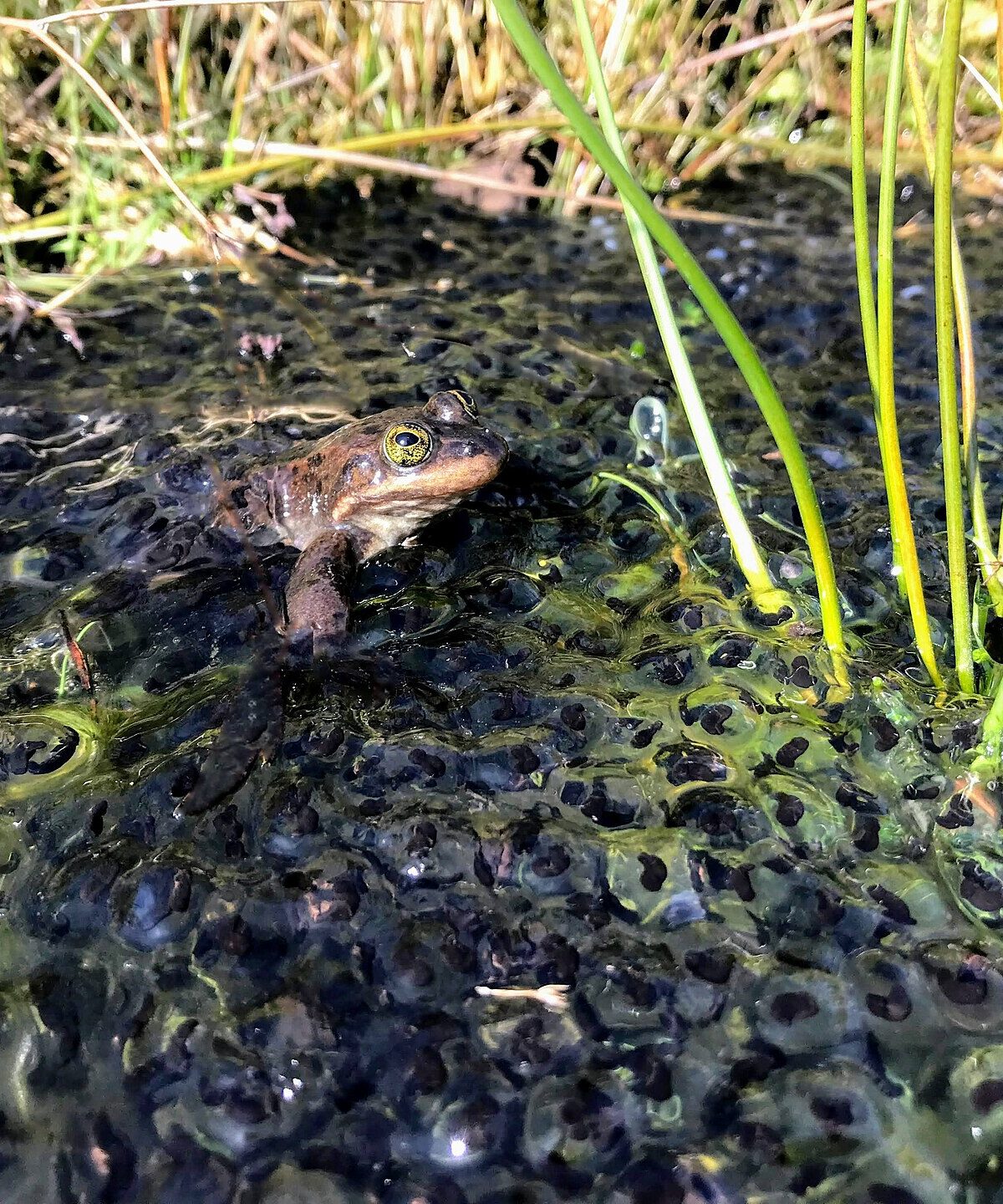
OREGON SPOTTED FROG
Rana pretiosa
DESCRIPTION
Oregon Spotted Frog (Rana pretiosa) is commonly known as the Pacific Spotted Frog. This medium-sized frog is characterized by its distinctive dark spots on a green or brown background, which provides effective camouflage in its wetland habitat. They are primarily found in shallow waters and are known for their strong jumping ability, which they use to evade predators and navigate their aquatic environment.
FUN FACTS
- Oregon Spotted Frogs are known for their unique breeding calls, which can be heard during the spring mating season
- These calls are an important part of their courtship behavior and can vary between individuals, helping females select mates
- | The species was once widespread across the Pacific Northwest, but due to habitat loss and other factors, it has become increasingly rare
- Conservationists are working to restore their populations and habitats, making them a focus of amphibian conservation efforts
QUICK INFO
Lifespan5-10 years in the wild
Average Length5-10 cm
Diet TypeInsectivore
Social Structuresolitary
Activity PatternNocturnal
Breeding SeasonSpring (March-May)
- Habitat
- These frogs inhabit freshwater wetlands, including marshes, ponds, and slow-moving streams. They prefer areas with abundant vegetation for cover and breeding.
- Biomes
- Wetlands, Temperate Forest
- Native Range
- The native range of the Oregon Spotted Frog includes the Pacific Northwest of the United States and southwestern Canada.
- Continent
- North America
- Countries
- United States, Canada
- Diet
- Oregon Spotted Frogs primarily feed on a variety of invertebrates, including insects and small crustaceans. They use their long, sticky tongues to capture prey in the water.
- Diet Type
- Insectivore
- Favorite Food
- insects, small crustaceans
- Social Structure
- solitary
- Activity Pattern
- Nocturnal
- Group Size
- 1-5
- Territorial
- 0
 VU
VU
 LC
LC
 LC
LC
 LC
LC
5-10 cm
Length
- Coloration
- green or brown with dark spots
- Sexual Dimorphism
- males are typically smaller than females
- Lifespan
- 5-10 years in the wild
- Offspring per Birth
- 100-500 eggs
- Sexual Maturity
- 2-3 years
- Breeding Season
- Spring (March-May)
EN
Endangered
IUCN Red List Status
- Population Status
- The Oregon Spotted Frog population is currently declining due to habitat loss and other environmental pressures.
- Wild Population Estimate
- unknown
- Population Trend
- Decreasing
- Endangered
- 1
- Threats
- Main threats to the Oregon Spotted Frog include habitat destruction due to urban development, agricultural practices, and invasive species. Climate change also poses a significant risk to their wetland habitats.
- Conservation Program
- Conservation efforts include habitat restoration and protection, as well as breeding programs in captivity.
- Predators
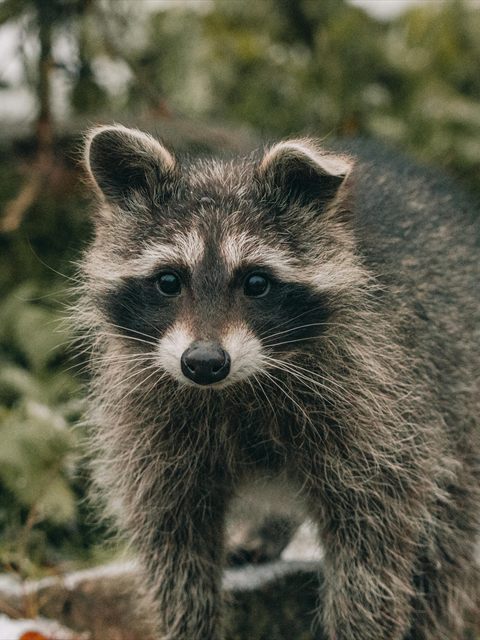
- birds, snakes, fish, raccoons
- Defense Mechanisms
- Oregon Spotted Frogs rely on camouflage to avoid detection by predators, and they can also jump away quickly when threatened.
- Found in Zoos
- Uncommon