


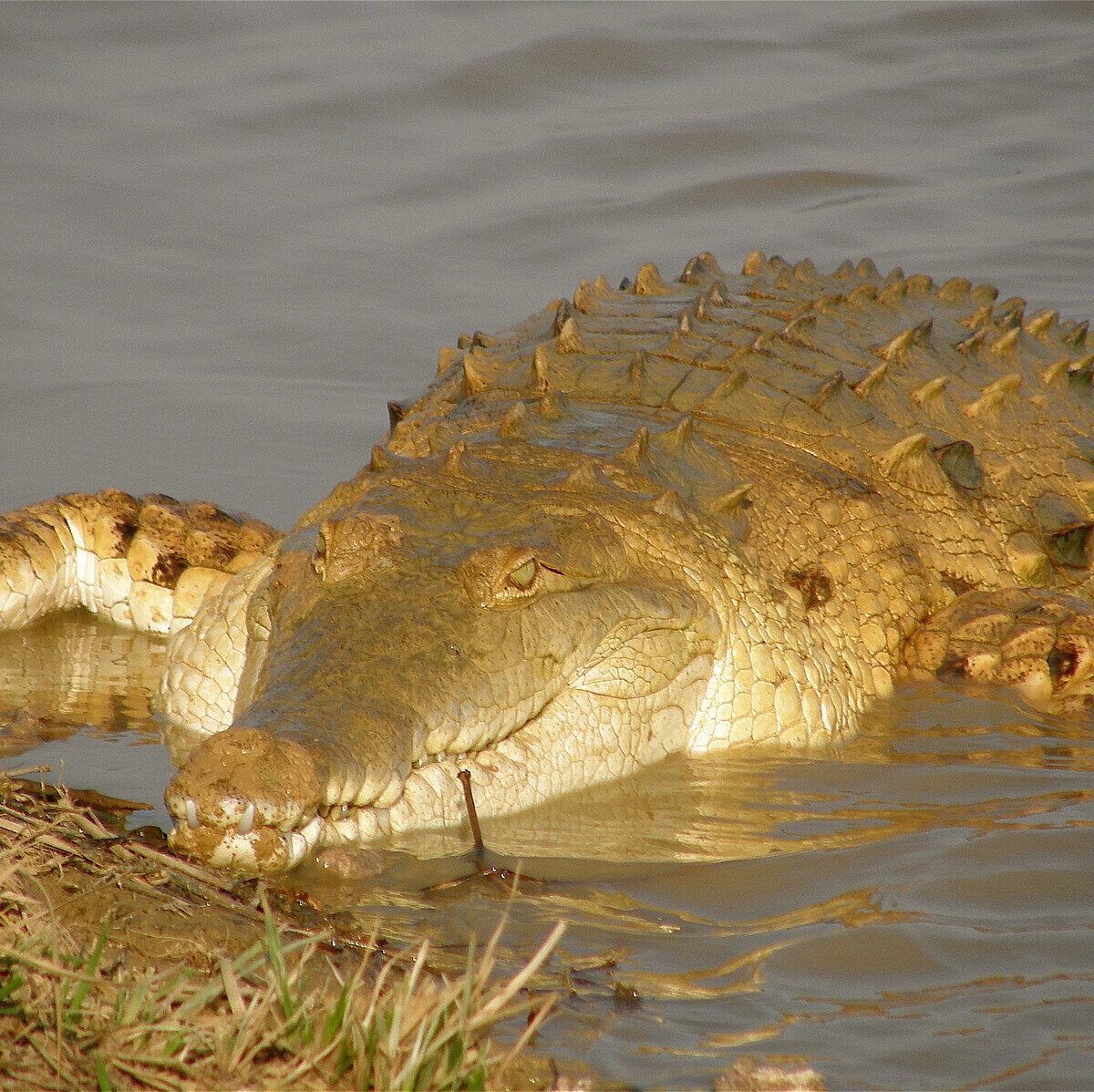
ORINOCO CROCODILE
Crocodylus intermedius
DESCRIPTION
Orinoco Crocodile (Crocodylus intermedius) is a large species of crocodile native to the Orinoco River basin in South America. It has a robust body with a broad snout and can reach lengths of up to 5 meters. This species is known for its elusive nature and primarily inhabits freshwater environments such as rivers, swamps, and lagoons.
FUN FACTS
- Orinoco Crocodiles are one of the largest crocodile species in the world, with some individuals reaching lengths of over 5 meters
- They are also known for their unique nesting behavior, where females build nests from vegetation and lay their eggs in the wet season, providing a crucial role in the ecosystem by helping to maintain the balance of their aquatic habitats.|Despite their size and predatory nature, Orinoco Crocodiles are often elusive and rarely seen in the wild, making them a subject of fascination for researchers and wildlife enthusiasts alike
- Their populations have drastically declined, leading to significant conservation efforts aimed at protecting this remarkable species
QUICK INFO
Lifespan50-70 years in the wild
Average Weight200-400 kg
Average Length3-5 m
Diet TypeCarnivore
Social Structuresolitary, occasionally seen in small groups during basking
Activity PatternDiurnal
Breeding SeasonWet season (May-August)
- Habitat
- They inhabit freshwater ecosystems, including rivers, swamps, and lagoons, often preferring slow-moving waters with abundant vegetation. These habitats provide both shelter and hunting grounds.
- Biomes
- Freshwater, Wetlands
- Native Range
- The native range of the Orinoco Crocodile includes the Orinoco River basin in Venezuela and Colombia.
- Continent
- South America
- Countries
- Venezuela, Colombia
- Diet
- Orinoco Crocodiles are carnivorous and primarily feed on fish, birds, and small mammals. They are opportunistic hunters, using stealth and ambush tactics to catch their prey.
- Diet Type
- Carnivore
- Favorite Food
- fish, birds, small mammals
- Social Structure
- solitary, occasionally seen in small groups during basking
- Activity Pattern
- Diurnal
- Group Size
- 1-5
- Territorial
- 1
 VU
VU
200-400 kg
Weight
3-5 m
Length
- Coloration
- dark green to brown with lighter underbelly
- Sexual Dimorphism
- males are generally larger than females
- Lifespan
- 50-70 years in the wild
- Gestation Period
- 90-100 days
- Offspring per Birth
- 20-40
- Sexual Maturity
- 10-12 years
- Breeding Season
- Wet season (May-August)
CR
Critically Endangered
IUCN Red List Status
- Population Status
- The population of Orinoco Crocodiles is critically low due to habitat loss and hunting.
- Wild Population Estimate
- 1,000-2,000
- Population Trend
- Decreasing
- Endangered
- 1
- Threats
- Main threats include habitat destruction due to agriculture and urbanization, as well as poaching for their skin and meat. Conservation efforts are hindered by the illegal wildlife trade.
- Conservation Program
- Various conservation programs are in place, including habitat protection and breeding programs in captivity.
- Predators
- Humans are the primary threat to adult Orinoco Crocodiles, while young crocodiles may fall prey to larger fish and birds of prey.
- Defense Mechanisms
- They rely on their camouflage and stealth to avoid detection, and can also use their powerful jaws for defense if threatened.
- Found in Zoos
- Uncommon