



ORINOCO GOOSE
Oressochen jubatus
DESCRIPTION
The Orinoco Goose is a large, striking waterfowl native to the Orinoco River basin in South America. It has a distinctive appearance with a long neck, a broad head, and a striking black and white coloration, particularly on its face and neck. This species is known for its strong pair bonds and can often be seen swimming gracefully in the waters or foraging along the riverbanks.
FUN FACTS
- The Orinoco Goose is one of the few species of geese that are primarily found in tropical regions, making it unique among its relatives
- They are also known for their elaborate courtship displays, which include head bobbing and vocalizations to attract mates.| Unlike many other waterfowl, Orinoco Geese are not migratory and tend to remain in their breeding territories year-round, which helps them establish strong pair bonds and territories
QUICK INFO
Lifespan10-15 years in the wild
Average Weight2-3 kg
Average Length65-75 cm
Diet TypeHerbivore
Social Structurepair, typically seen in monogamous pairs during the breeding season
Activity PatternDiurnal
Breeding SeasonSpring (March-May)
- Habitat
- The Orinoco Goose inhabits freshwater wetlands, riverbanks, and marshes. It prefers areas with abundant vegetation for foraging and nesting.
- Biomes
- Wetlands, Freshwater
- Native Range
- The species is found in the Orinoco River basin, primarily in Venezuela and Colombia.
- Continent
- South America
- Countries
- Venezuela, Colombia
- Diet
- The Orinoco Goose primarily feeds on aquatic plants, seeds, and grasses. It forages both in water and on land, often grazing in fields near its habitat.
- Diet Type
- Herbivore
- Favorite Food
- aquatic plants, seeds, grasses
- Social Structure
- pair, typically seen in monogamous pairs during the breeding season
- Activity Pattern
- Diurnal
- Group Size
- 2
- Territorial
- 1
 LC
LC
 VU
VU
2-3 kg
Weight
65-75 cm
Length
- Coloration
- black and white with a distinctive pattern on the head and neck
- Sexual Dimorphism
- males and females are similar in appearance, but males are generally larger
- Lifespan
- 10-15 years in the wild
- Offspring per Birth
- 4-8
- Sexual Maturity
- 1-2 years
- Breeding Season
- Spring (March-May)
LC
Least Concern
IUCN Red List Status
- Population Status
- The population is currently stable, but habitat loss poses a potential threat.
- Wild Population Estimate
- 10,000-15,000
- Population Trend
- Stable
- Endangered
- 0
- Threats
- Main threats include habitat destruction due to agriculture and urban development. Additionally, hunting in some areas poses a risk to local populations.
- Predators
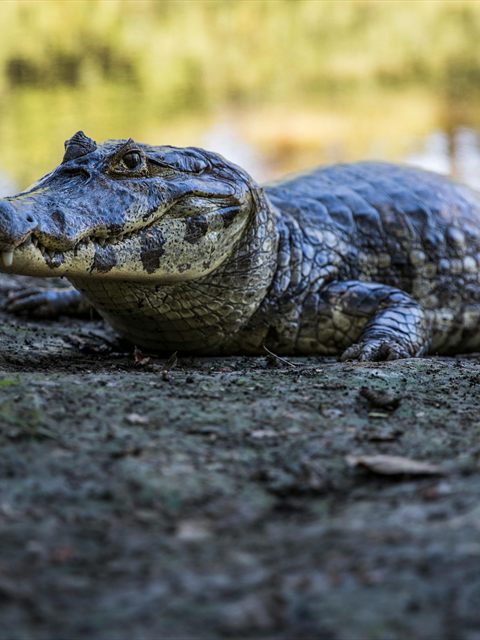
- Caimans, large birds of prey, and humans
- Defense Mechanisms
- They rely on their ability to swim and hide among vegetation to evade predators.
- Found in Zoos
- Uncommon