


ORYX
DESCRIPTION
Oryx are large antelopes known for their striking appearance, characterized by long, straight horns and a robust body. They have a distinctive coloration, typically featuring a combination of white, black, and tan, which helps them blend into their arid habitats. Oryx are well-adapted to desert environments, exhibiting behaviors such as being able to go long periods without water and being active during the cooler parts of the day.
FUN FACTS
- Oryx can withstand high temperatures and can even raise their body temperature to avoid sweating, which helps them conserve water
- | They are known for their impressive speed and agility, capable of running at speeds up to 60 km/h (37 mph) to escape predators
QUICK INFO
Lifespan15-20 years in the wild, up to 20-25 in captivity
Average Weight70-100 kg
Average Length1.2-2.0 m
Diet TypeHerbivore
Social StructureOryx typically live in groups, often consisting of females and their young, while males may be solitary or form small bachelor groups.
Activity PatternDiurnal
Breeding SeasonYear-round, with peaks depending on the region
- Habitat
- Oryx inhabit arid and semi-arid regions, often found in savannas and deserts. They are well-adapted to extreme temperatures and can thrive in environments with limited water sources.
- Biomes
- Desert, Savanna
- Native Range
- Oryx are native to the arid regions of North Africa and parts of the Arabian Peninsula.
- Continent
- Africa, Asia
- Countries
- Namibia, Botswana, South Africa, Saudi Arabia, Oman
- Diet
- Oryx are herbivores that primarily graze on grasses, leaves, and shoots. They are known to consume a variety of vegetation, including tough desert plants.
- Diet Type
- Herbivore
- Favorite Food
- grasses, leaves, shoots
- Social Structure
- Oryx typically live in groups, often consisting of females and their young, while males may be solitary or form small bachelor groups.
- Activity Pattern
- Diurnal
- Group Size
- 5-30
- Territorial
- 1
 LC
LC
 LC
LC
70-100 kg
Weight
1.2-2.0 m
Length
1.2 m at shoulder
Height (Shoulder)
- Coloration
- tan body with white and black markings
- Sexual Dimorphism
- Males are generally larger and have longer horns than females.
- Lifespan
- 15-20 years in the wild, up to 20-25 in captivity
- Gestation Period
- 240 days
- Offspring per Birth
- 1
- Sexual Maturity
- 2-3 years
- Breeding Season
- Year-round, with peaks depending on the region
LC
Least Concern
IUCN Red List Status
- Population Status
- Oryx populations have fluctuated due to habitat loss and hunting, but conservation efforts have helped stabilize some populations.
- Wild Population Estimate
- 20,000-30,000
- Population Trend
- Stable
- Endangered
- 0
- Threats
- Main threats include habitat loss due to agriculture and urbanization, as well as poaching. Climate change also poses a risk by altering their natural habitats.
- Conservation Program
- Successful reintroduction programs in various countries, including Oman and Namibia.
- Predators
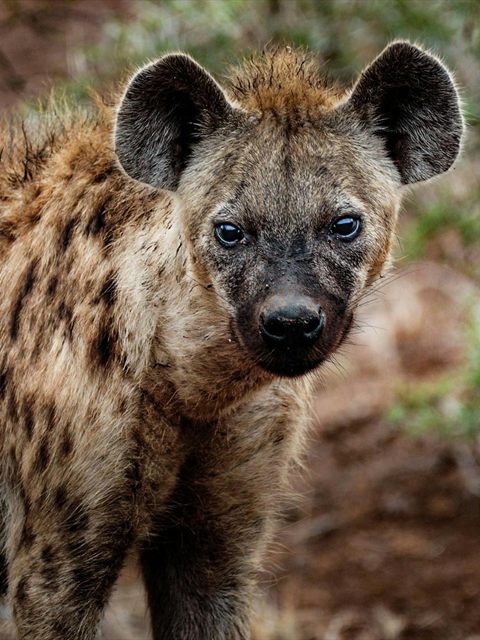
- Lions, hyenas, and crocodiles are known predators of Oryx, particularly when they are young or vulnerable.
- Defense Mechanisms
- Oryx are known for their ability to defend themselves with their long, sharp horns, which they use to fend off predators.
- Compatible Animals
- Zebras, gazelles, various antelope species
- Found in Zoos
- Common