


OSTRICH
Struthio camelus
DESCRIPTION
The ostrich is the largest living bird, known for its long legs and neck. It is flightless and primarily adapted for running at high speeds.
FUN FACTS
- Ostriches can run faster than horses | They have the largest eyes of any land animal | Their eggs are the largest of any bird, weighing up to 1.4 kg
QUICK INFO
Lifespan30-40 years in the wild, up to 50 in captivity
Average Weight90-150 kg
Average Length2-2.7 m
Diet TypeHerbivore
Social Structuregroup — they often live in small herds or flocks.
Activity PatternDiurnal
Breeding SeasonSpring to early summer
- Habitat
- Ostriches inhabit open grasslands and savannas, where they can easily spot predators. They prefer areas with some cover for nesting.
- Biomes
- Savanna, Grassland
- Native Range
- Native to Africa, primarily found in the sub-Saharan region.
- Continent
- Africa
- Countries
- South Africa, Namibia, Botswana, Kenya, Tanzania
- Diet
- Ostriches are herbivores that primarily consume a variety of plant materials, including seeds, leaves, and flowers. They may also eat insects occasionally.
- Diet Type
- Herbivore
- Favorite Food
- seeds, leaves, flowers
- Social Structure
- group — they often live in small herds or flocks.
- Activity Pattern
- Diurnal
- Group Size
- 5-50
- Territorial
- 0
 LC
LC
 LC
LC
 VU
VU
90-150 kg
Weight
2-2.7 m
Length
2.5-3 m
Height (Shoulder)
- Coloration
- Males are mostly black with white wing and tail feathers, while females are brown and gray.
- Sexual Dimorphism
- Males are larger and more colorful than females.
- Lifespan
- 30-40 years in the wild, up to 50 in captivity
- Offspring per Birth
- 1-9
- Sexual Maturity
- 2-4 years
- Breeding Season
- Spring to early summer
LC
Least Concern
IUCN Red List Status
- Population Status
- The population is currently stable but faces threats from habitat loss and hunting.
- Wild Population Estimate
- Over 1 million
- Population Trend
- Stable
- Endangered
- 0
- Threats
- Main threats include habitat destruction and hunting for feathers and meat. They are also vulnerable to predation by large carnivores.
- Predators
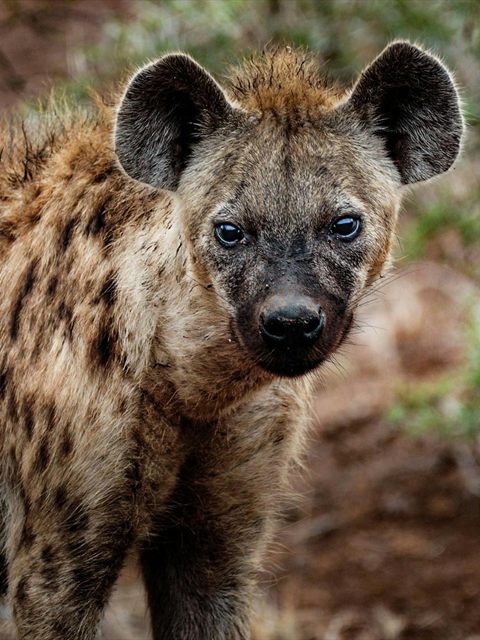
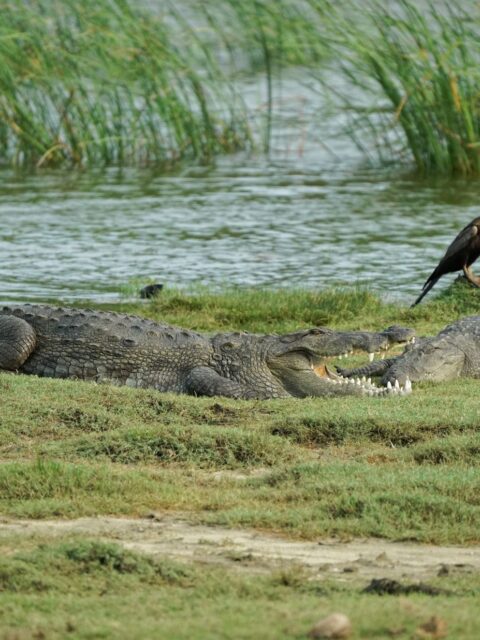
- Lions, hyenas, and crocodiles
- Defense Mechanisms
- Ostriches use their speed to escape predators and can also deliver powerful kicks.
- Compatible Animals
- none
- Found in Zoos
- Common