


PACA
Cuniculus paca
DESCRIPTION
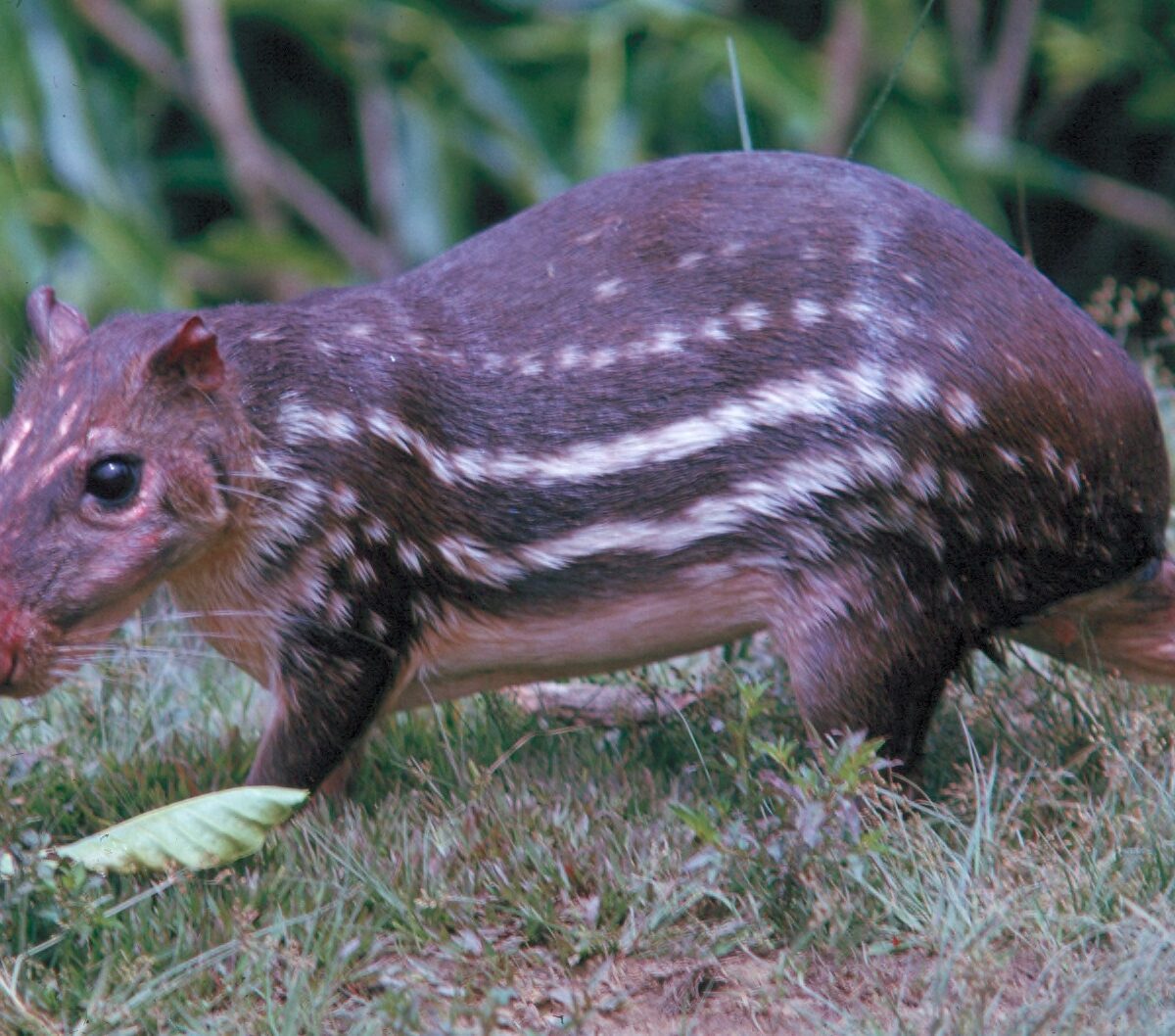
Paca (Cuniculus paca) is commonly known as the Spotted Paca and Water Paca. This large rodent is characterized by its robust body, short legs, and a distinctive coat featuring white spots and stripes on a dark brown background. Paca is primarily nocturnal and is known for its strong swimming abilities, often found near water sources in tropical forests.
FUN FACTS
- Paca is one of the largest rodents in the world, second only to the capybara
- They have a unique ability to swim and can hold their breath underwater for several minutes, which helps them escape from predators
- | Paca has a special adaptation in its teeth that allows it to gnaw through tough plant material, making it an efficient forager
- Their strong jaws and large molars are designed for grinding down fibrous foods, which is essential for their herbivorous diet
QUICK INFO
Lifespan10-15 years in the wild, up to 20 years in captivi
Average Weight6-12 kg
Average Length60-80 cm
Diet TypeHerbivore
Social Structuresolitary, occasionally pairs during breeding
Activity PatternNocturnal
Breeding SeasonYear-round, peaking in wet season
- Habitat
- Paca inhabits tropical rainforests and wetlands, often near rivers and streams. They prefer areas with dense vegetation that provides cover and food sources.
- Biomes
- Tropical Rainforest, Wetlands
- Native Range
- Paca is native to Central and South America, ranging from southern Mexico to northern Argentina.
- Continent
- North America, South America
- Countries
- Mexico, Guatemala, Honduras, Colombia, Brazil, Argentina
- Diet
- Paca primarily feeds on fruits, seeds, and other plant materials, making it an important seed disperser in its ecosystem. They are known to consume a variety of vegetation, including leaves and roots.
- Diet Type
- Herbivore
- Favorite Food
- fruits, seeds
- Social Structure
- solitary, occasionally pairs during breeding
- Activity Pattern
- Nocturnal
- Group Size
- 1-2
- Territorial
- 0
 NT
NT
 NT
NT
 VU
VU
 LC
LC
6-12 kg
Weight
60-80 cm
Length
- Coloration
- dark brown with white spots and stripes
- Lifespan
- 10-15 years in the wild, up to 20 years in captivi
- Gestation Period
- 110 days
- Offspring per Birth
- 1-2
- Sexual Maturity
- 6-12 months
- Breeding Season
- Year-round, peaking in wet season
LC
Least Concern
IUCN Red List Status
- Population Status
- Paca populations are generally stable, but local declines may occur due to habitat loss.
- Wild Population Estimate
- Unknown
- Population Trend
- Stable
- Endangered
- 0
- Threats
- The main threats to Paca include habitat destruction due to deforestation and hunting for meat. These pressures can lead to localized population declines.
- Predators
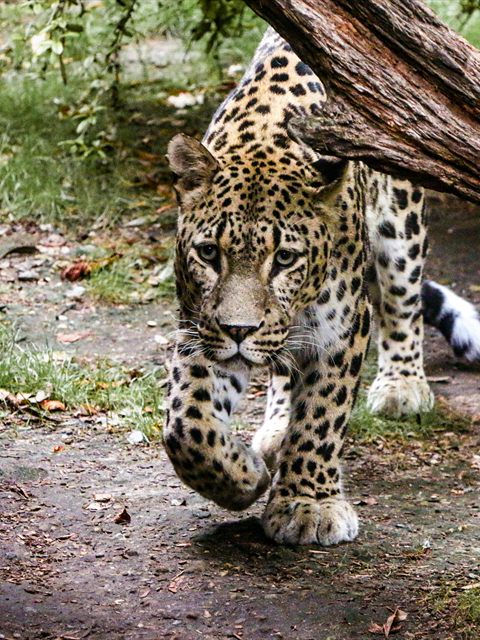
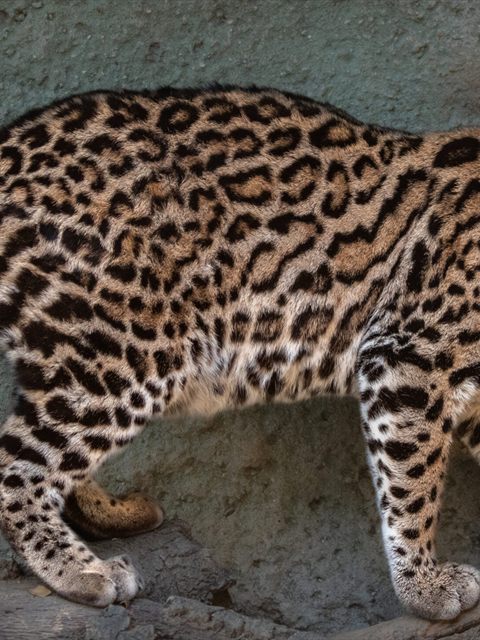
- Jaguar, Ocelot, Harpy Eagle, large snakes
- Defense Mechanisms
- Paca relies on its ability to swim and hide in dense vegetation to evade predators.
- Found in Zoos
- Uncommon